
Tampa Heights Rental Investment: Urban Revival Returns
Tampa Heights sits 2 miles from downtown Tampa, and a worked example puts a rental there near a 3.1% cap rate. Historic character, Heights Public Market, and gentrification upside in a walkable urban core.
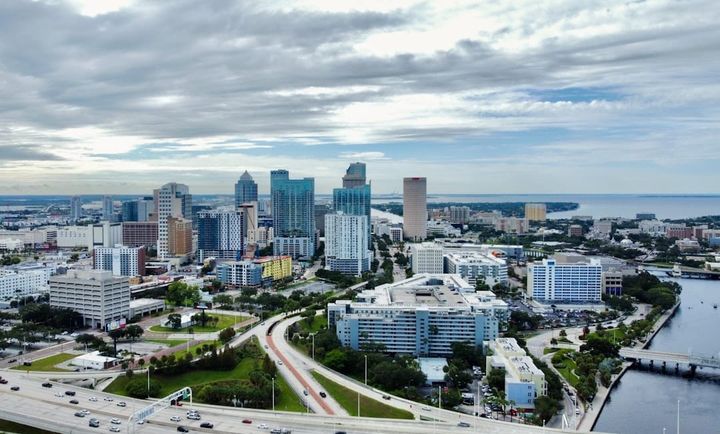
Tampa Heights sits just north of downtown Tampa, where historic bungalows meet new infill, craft breweries, and the Heights Public Market. If you're weighing a rental investment in Tampa's urban core, here's what the numbers tell you.
What Makes Tampa Heights Worth a Look for Rental Investors?
Quick answer: Tampa Heights is a gentrifying urban neighborhood 2 miles from downtown Tampa, and on the worked example below a rental there comes out near a 3.1% cap rate. You get historic character, strong walkability (Walk Score 65), and a growing restaurant and retail scene. Hillsborough County taxes apply. It's a solid play for investors who want urban exposure without downtown condo prices.
The neighborhood has shifted from a sleepy residential pocket to one of Tampa's most active infill corridors. Armature Works and the Heights Public Market draw renters who want walkable dining and events. New construction sits alongside 1920s bungalows, so you'll see a mix of renovation plays and turnkey rentals.
We've managed rentals in Tampa Heights for years. The tenant pool is strong—downtown workers, hospital staff, and young professionals who want urban living without South Tampa prices. Turnover runs 18–24 months on average. Pet-friendly units lease within 2–3 weeks when priced right.
Where Are the Numbers?
Quick answer: Cap rate about 3.1% on the worked example below. Walk Score 65. City of Tampa and Hillsborough County property tax. Year built ranges from 1920s to 2020s.
| Stat | Value |
|---|---|
| Cap rate | About 3.1% (worked example below) |
| Walk Score | 65 |
| County | Hillsborough |
| Year built | 1920s–2020s |
How Much Rent Can You Realistically Get?
Quick answer: Tampa Heights rents depend on condition, updates, and proximity to Armature Works, so price from recent leased comps for the same kind of home.
Renters pay for location: close to downtown, Armature Works, and the Riverwalk. Updated kitchens and central AC command premiums. Older bungalows without updates rent for less but attract investors looking for value-add.
One thing we've seen: renters will pay $50–100/month more for a unit within a 10-minute walk of Armature Works. Proximity to the Heights Public Market and the Riverwalk extension matters. Factor that into your comps when you're underwriting.
Who Rents Here?
Quick answer: Tampa Heights renters skew young professionals, couples, and small households who want urban living without downtown high-rise prices. Many work downtown, at Tampa General, or in nearby offices. They value walkability, local restaurants, and a neighborhood feel. Pet-friendly units lease faster.
You'll see fewer families with school-age kids than in suburban Tampa. Turnover is moderate—plan for it in your underwriting.
What's the Typical Cap Rate?
Quick answer: On the example below, a turnkey Tampa Heights rental works out to about a 3.1% cap. A $400K home generating $26,400/year gross rent (both example assumptions), minus about $14,040 in expenses including City of Tampa property tax, yields roughly $12,360 NOI.
Formula: (Net Operating Income ÷ Property Value) × 100
Example: Say you buy for $400K and rent for $2,200/month ($26,400/year), both example assumptions. Less property tax of about $7,940 (City of Tampa's 2025 total millage of 19.8428 mills on the purchase price; the appraiser's just value may come in lower) and about $6,100 for insurance, maintenance, vacancy, and management (an example assumption), NOI ≈ $12,360. Cap rate: about 3.1%.
What's good or bad? You're not chasing yield—you're betting on rent growth and appreciation in a gentrifying corridor.
How Walkable Is Tampa Heights?
Quick answer: Tampa Heights has a Walk Score around 65—"somewhat walkable." You can walk to Armature Works, Heights Public Market, and nearby restaurants. Downtown is 2 miles; many residents drive or bike. Transit options exist but aren't as strong as downtown or Ybor.
The neighborhood is improving. New development adds sidewalks and bike lanes. Renters who prioritize walkability often choose Tampa Heights over Seminole Heights for its closer proximity to downtown. The Riverwalk extension has helped—tenants can walk from Tampa Heights to downtown along the water. It's not a short stroll, but it's doable for motivated walkers and runners. Bike lanes on some corridors have improved connectivity. The neighborhood is still car-dependent for most errands, but the trend is toward more walkable and bikeable options.
What Property Types Will You Find?
Quick answer: You'll see historic bungalows (1920s–1940s), renovated infill, and new construction (2010s–2020s). Most rentals are single-family homes; a few small multifamily buildings exist. Lot sizes vary—some bungalows sit on larger lots with room for ADUs or expansion.
Older homes need careful inspection: foundation, electrical, plumbing. Newer infill tends to be low-maintenance but priced at a premium. Mix depends on the block. We've seen some blocks where every third house is a renovation in progress—that can mean construction noise for tenants but also rising comps. Other blocks are mostly turnkey. Drive the neighborhood at different times before you buy.
What's Driving Prices and Demand?
Quick answer: Tampa Heights demand comes from downtown workers, hospital staff (Tampa General is nearby), and renters priced out of South Tampa. Armature Works and Heights Public Market have made the area a destination. New construction and renovations have lifted values. Expect continued interest as Tampa's urban core grows.
The Central Tampa submarket includes Tampa Heights alongside Downtown Tampa, Seminole Heights, and Ybor City.
What Are the Risks?
Quick answer: Gentrification brings construction noise, rising taxes, and occasional tenant turnover as rents climb. Flood risk varies by block—check FEMA flood maps and Hillsborough County data. Insurance costs run higher than suburban Tampa. Older homes can hide deferred maintenance.
Inventory is tight. Good deals go quickly. You're competing with owner-occupants and other investors. We've seen off-market deals move in under a week. If you're serious about Tampa Heights, have your financing ready and be prepared to move fast. A local property manager who knows the neighborhood can help you spot value and avoid overpaying for a property that needs more work than it shows.
HOA, Insurance, and Taxes?
Quick answer: Most Tampa Heights homes have no HOA. City of Tampa parcels carried a 2025 total millage of 19.8428 mills (about 1.98% of taxable value), with no homestead exemption on a rental. Insurance depends on age, flood zone, and wind mitigation, so get a quote on the specific home. Older homes cost more to insure.
No CDD. That keeps carrying costs simpler than in master-planned suburbs. One thing to watch: for a rental with nine or fewer units, FS 193.1554(3) says, "Beginning in the year following the year the nonhomestead residential property becomes eligible for assessment pursuant to this section, the property shall be reassessed annually on January 1. Any change resulting from such reassessment may not exceed 10 percent of the assessed value of the property for the prior year." Under subsection (2), that cap applies "For all levies other than school district levies," and a purchase resets the assessment to just value the next January 1 (193.1554(5), with limited exceptions). As Tampa Heights appreciates, model the non-school portion of your assessment rising up to 10% a year, the school portion following just value, and millage rates changing from year to year. Wind mitigation credits (updated roof, impact windows) can trim insurance—get a 4-point inspection and wind mitigation form if the home qualifies.
How Does Tampa Heights Compare to Nearby Neighborhoods?
Quick answer: Tampa Heights sits between Seminole Heights (more historic) and downtown (condos). Ybor City offers more walkability and nightlife; Tampa Heights is quieter and more residential.
For investors who want urban character without downtown condo HOA fees, Tampa Heights and Seminole Heights are the main SFH plays. Ybor City adds mixed housing types and stronger walkability.
Ready to Run the Numbers?
Quick answer: Tampa Heights works for investors who want urban Tampa exposure and historic character. It's not the highest yield in the market, but it offers rent growth potential and a strong tenant pool. Run a free rental analysis on your target property to see what the numbers look like for you.
We manage rentals across Central Tampa and can help you model rent, expenses, and cash flow for a specific Tampa Heights property. Get a free rental analysis and we'll break down what you can expect.