
Ybor Harbor Is Moving Forward: What 4,750 New Units Mean for Ybor City Landlords
Ybor Harbor's 4,750-unit waterfront project just landed $35M in city money. Here's what the Ybor City development wave means for landlords who own there today.
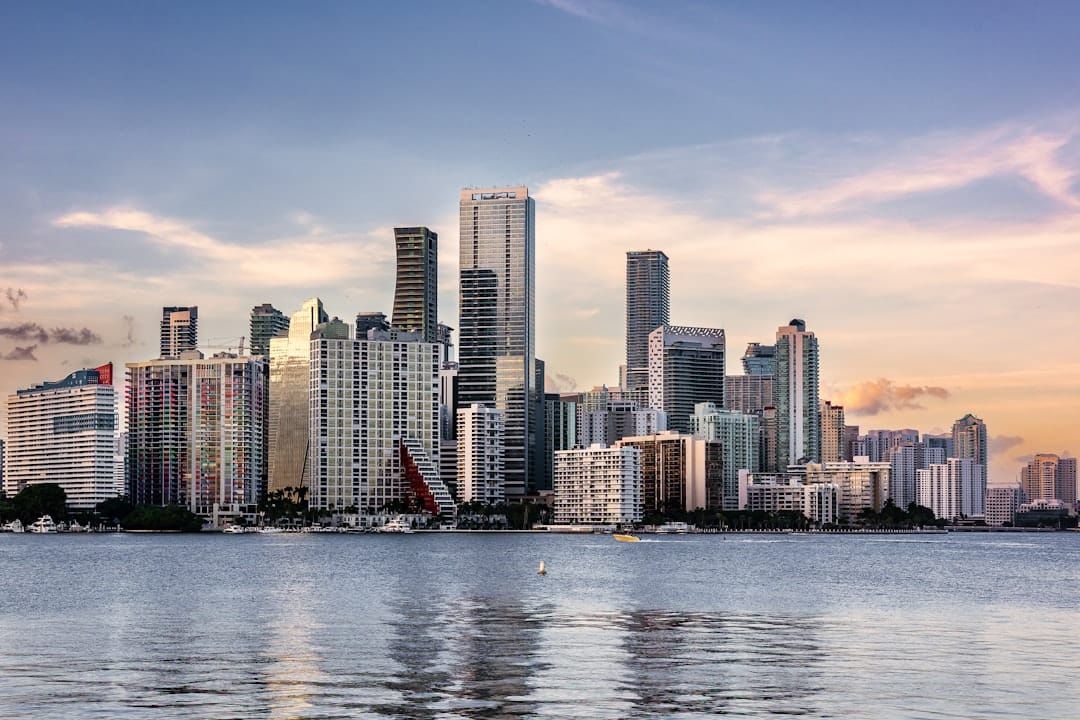
For years, Ybor Harbor was a rendering — a bold plan to wrap 4,750 new homes, offices, and a hotel district around the Ybor Channel. In May 2026 it stopped being just a plan: Tampa committed $35 million to build the infrastructure that makes it real. If you own a rental in Ybor City, the neighborhood you bought into is about to change, and the smart move is to understand what that does to your property before the cranes arrive.
The short version: this is a long-term tailwind for current Ybor owners — a rising profile and rising values — paired with years of construction and, eventually, a wave of new apartments to compete with. Here's what the Ybor City development actually includes, how real it is, and what it means for a property you own or are eyeing in Ybor today.
What is Ybor Harbor?
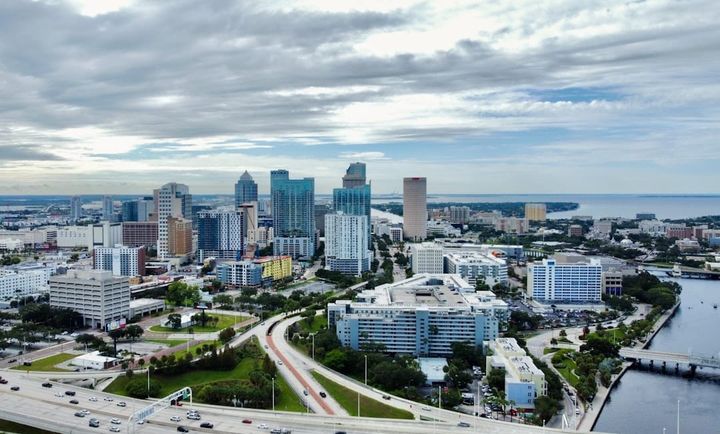
Ybor Harbor is a 33-acre mixed-use waterfront development on the Ybor Channel, just south of Adamo Drive, designed to stitch Ybor City together with the Channel District and Water Street. At full build-out it could hold more than 4,750 residential units, around 800 hotel rooms, and around 500,000 square feet of office and roughly 150,000 square feet of retail — up to six million square feet in all.
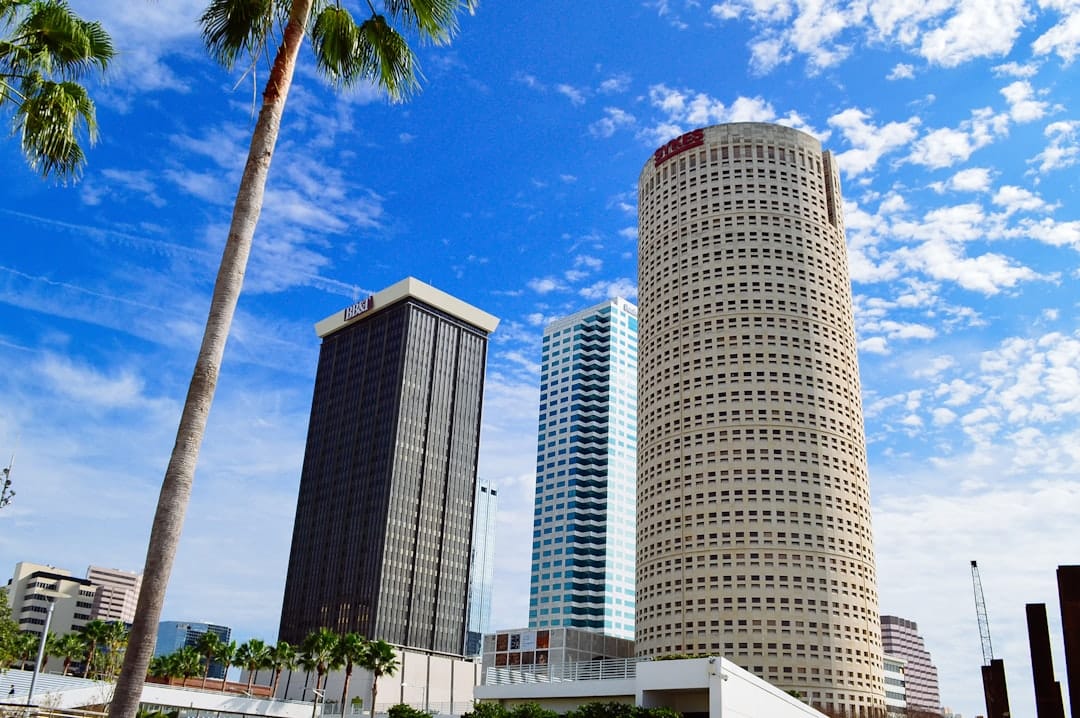
It's the work of developer Darryl Shaw, who has spent years assembling land in and around Ybor with the stated goal of turning a historic but underused edge of the city into a walkable, waterfront extension of downtown. Ten percent of the housing is committed to affordable units. Whatever you think of a project this size dropping into a 130-year-old neighborhood, the scale is the point: this isn't an infill apartment building, it's a new district. For the bones of the neighborhood as it stands today, our Ybor City guide covers the current lay of the land; this piece is about what's coming.
Is it actually happening, or is this another rendering?
It's happening. The rezoning cleared Tampa City Council, and — the part that matters in 2026 — the city's Community Redevelopment Agency approved $35 million for Ybor Harbor's infrastructure, to be paid out in roughly $7 million increments a year, beginning around 2029, through 2033. Public money on a payment schedule is the clearest signal a megaproject has moved from vision to build.
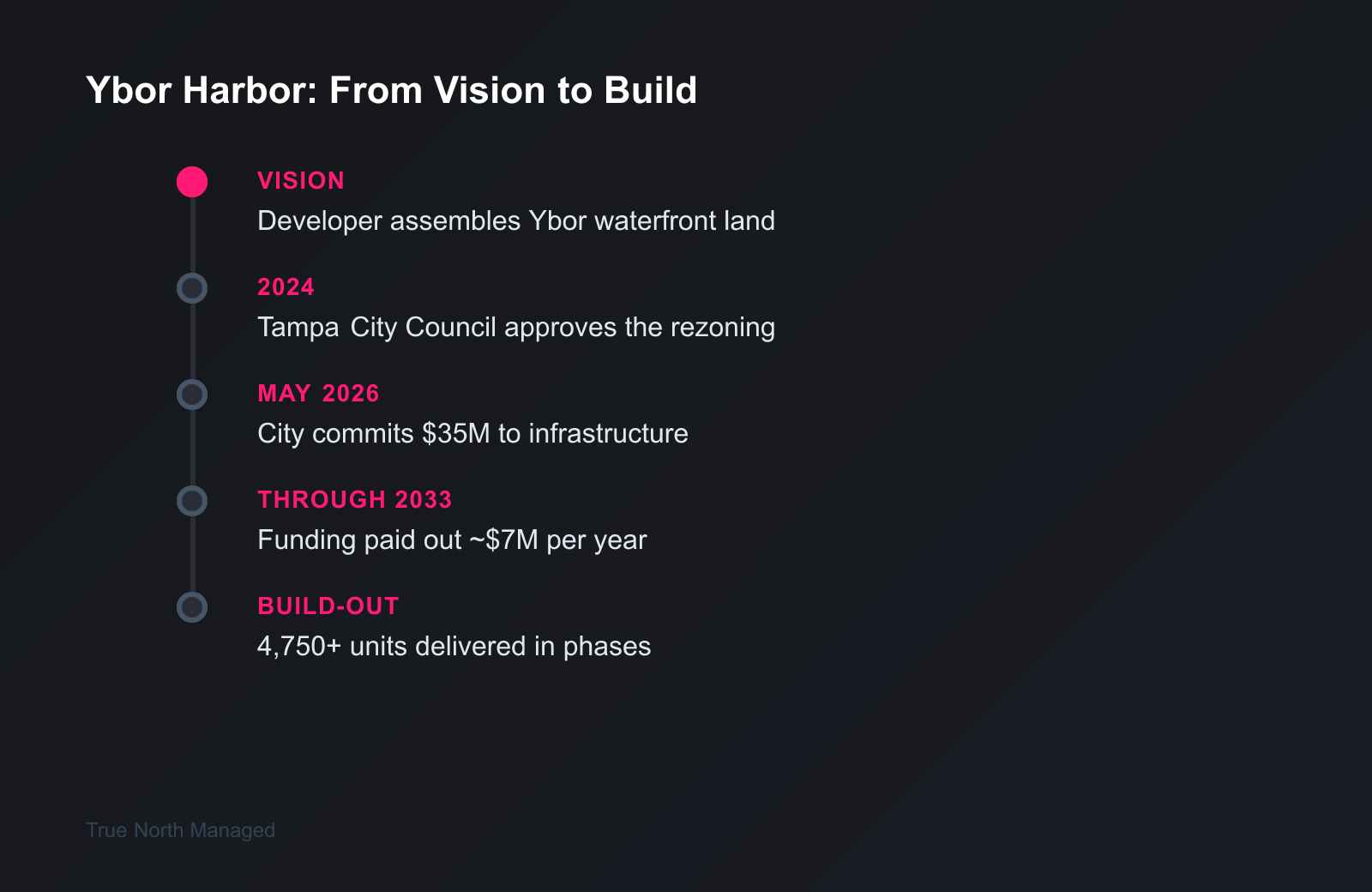
That funding is what separates Ybor Harbor from the renderings that never break ground. Cities commit infrastructure dollars when a project is real enough to plan a decade around. And it's not the only thing moving in the neighborhood: the same developer filed a separate rezoning for a 25-acre East Ybor site anchored by a Tampa General Hospital facility, and local coverage has flagged a cluster of projects set to reshape Ybor in 2026 and beyond. The rezoning approvals and the $35 million infrastructure commitment together mean a current Ybor owner should plan as if this is coming, because the city already is.
What about the hospital-anchored project next door?
Ybor Harbor isn't the only thing reshaping the area — a separate, hospital-anchored development is in the works just east, and for landlords that one may matter even more. The same developer filed a rezoning for a roughly 25-acre East Ybor site anchored by a Tampa General Hospital facility, part of a broader push to add medical and institutional uses alongside the housing.
Why a landlord should care: hospitals are rental-demand engines. A major medical facility brings nurses, technicians, residents, and staff who want to live close to work — a stable, year-round tenant pool with steady incomes, exactly the kind of renter base that holds up through a market cycle. If you own near the East Ybor site, a hospital anchor is arguably a stronger long-term tailwind for your rent roll than the waterfront condos, because it creates durable daily demand rather than just amenity shine. It's another reason the corridor's trajectory is pointing up, even with the supply that's coming.
What does the Ybor City development mean for current landlords?
In the near term, a rising profile and rising values; over the long term, a lot more apartments to compete with. A transformation this size pulls in three directions at once, and which one matters most depends on how long you plan to hold.
Here's how it breaks down:
- Near term (now–2 years): construction and a profile bump. Expect dust, road work, and detours around the channel — a real nuisance for tenants near the site. But the announcement effect is already a tailwind: a neighborhood with a funded, downtown-linked waterfront district reads as "up-and-coming," which supports values and demand for what you own today.
- Medium term: an amenity lift. As waterfront access, retail, and walkability come online, the whole corridor gets more desirable. Existing Ybor rentals — especially walkable historic homes and well-located units — benefit from being inside a hotter district.
- Long term: a supply wave. Eventually, thousands of new apartments deliver. That's real competition for the multifamily side, and it'll bring the same concession pressure showing up across Florida — the single-family-versus-apartment divergence playing out one neighborhood at a time. Single-family and townhome holds, and anything with historic character, are more insulated than a small apartment building competing head-on with new product.
The net for a current owner: this is an appreciation-and-hold story with a rising-profile tailwind, not an overnight rent event in either direction.
If you own near the site today, the practical move for the next year or two is to keep your unit competitive and your tenants happy through the disruption — small upgrades, responsive maintenance, and fair renewals matter more than chasing a rent number while construction noise is a factor. Hold the tenant, hold the value, and let the corridor's rising profile do the heavy lifting. The owners who get squeezed are the ones who push rents hard during the messy phase and end up with turnover right when the neighborhood looks like a construction zone.
Should you buy in Ybor now, ahead of the transformation?
It can make sense for a patient, appreciation-focused buyer — but go in clear-eyed about the construction years and the eventual supply. Buying ahead of a funded transformation is a real strategy: you're betting that today's prices don't fully reflect a waterfront district that doesn't exist yet. If you hold through the build-out, the area's rising profile can carry your value.
Be honest about the horizon, though. A transformation like this plays out over a decade, so the appreciation bet only works if you can hold through it. If you buy an Ybor property in 2026 expecting the waterfront district to lift your value, you're really betting on where the corridor sits in 2030 and beyond — not next year. That's fine for a patient owner with stable financing and no need to sell into the construction years; it's a poor fit for anyone who might be forced to exit in a soft window. Match the hold period to the timeline, and the bet is reasonable. Mismatch them, and you're a forced seller during the messiest phase.
But it's a hold, not a flip, and the timing cuts both ways. The construction years can soften rents near the site and test tenants' patience, and the apartment supply that eventually lands is genuine competition. So underwrite it the way you would any premium-appreciation play: conservative rent assumptions, a long horizon, and a preference for the property types that the supply wave won't directly undercut — single-family, townhomes, and historic units with character a new mid-rise can't replicate. For the tax side of holding in Hillsborough through a period of rising assessments, our Tampa property-tax overview is worth a read before you buy. If your only goal is day-one cash flow, a cheaper, finished submarket will pencil better than betting on Ybor's transformation.
Common mistakes landlords make around big developments
Overreacting to the unit count. "4,750 units" sounds like an instant glut, but it's a decade-long build-out delivered in phases. It's a long-term factor to underwrite, not a reason to dump a good Ybor property today.
Ignoring it entirely. The opposite error. A funded, city-backed district changes the corridor's trajectory; pretending nothing's happening means missing both the upside and the eventual supply risk.
Assuming all Ybor property benefits equally. A walkable historic home near the new waterfront is positioned very differently from a tired small apartment building that will compete directly with shiny new units. Location and property type inside the neighborhood matter more than ever.
Own in Ybor? Get a clear read before the cranes arrive
A neighborhood-scale development is exactly the kind of shift that rewards owners who plan and punishes those who don't. Whether you already own in Ybor or you're weighing a buy ahead of the transformation, the move is the same: underwrite conservatively, favor the property types the supply wave won't undercut, and know what your specific block is worth as the district takes shape.
That's a read we can give you. Start with a free rental analysis and we'll tell you what your Ybor City property should rent for today — and how to position it for the neighborhood it's becoming.