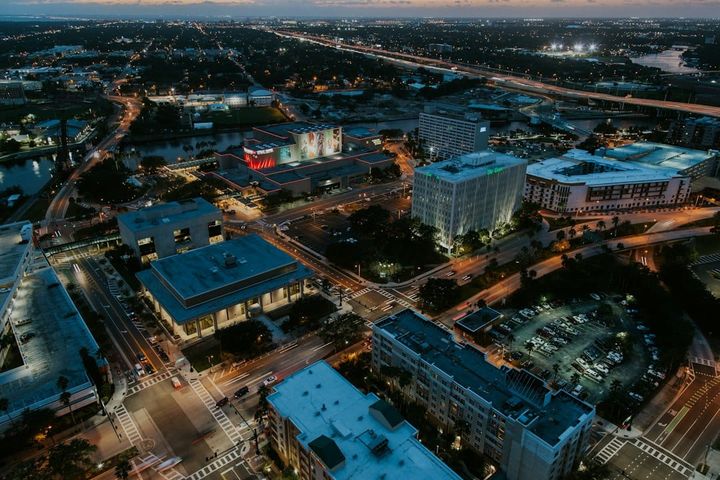

Palma Ceia Tampa Rental Investment: The Plant Zone Premium
Palma Ceia fails every cap-rate screen and stays one of Tampa's strongest rental markets anyway. The reason is a school-choice law that can't seat your tenant's kid — but a lease can.
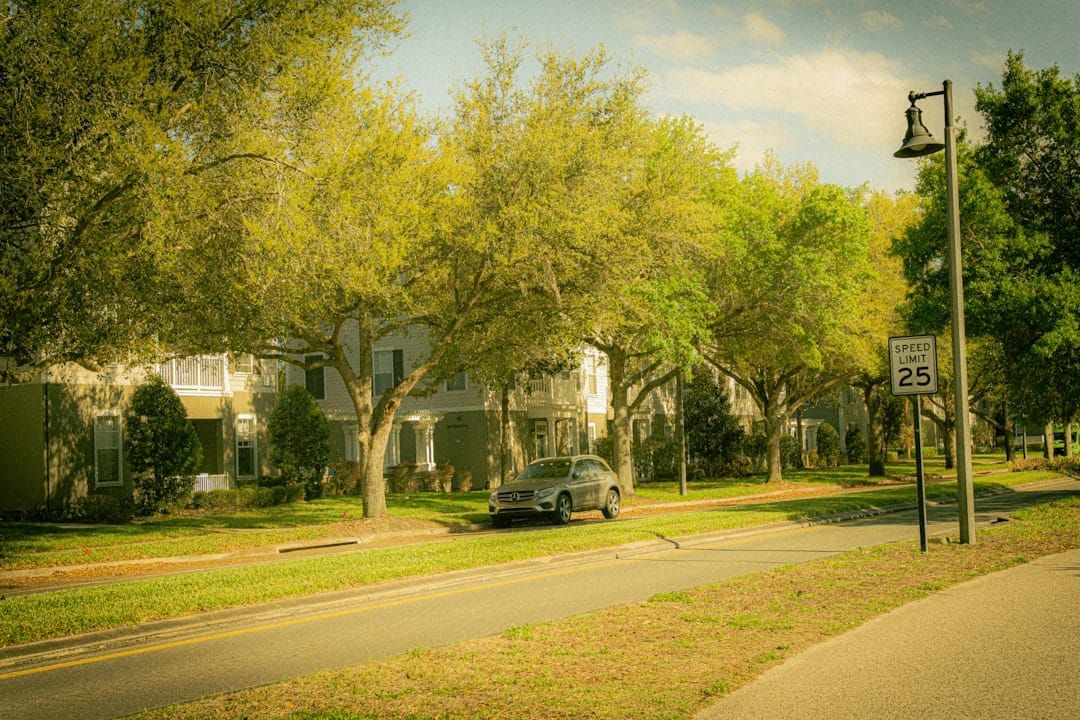
Palma Ceia is the South Tampa you picture when someone says South Tampa: brick streets under a hundred-year oak canopy, Craftsman bungalows next to Mediterranean Revivals, a country club that's been hosting tournaments since 1916. It's also the neighborhood where a Palma Ceia Tampa rental investment looks worst on a spreadsheet — seven-figure home values against rents that can't keep pace — and yet houses here lease fast and tenants stay. Both things are true, and the reason they're both true is the most useful thing you can know about this market.
Is a Palma Ceia Tampa rental investment worth it in 2026?
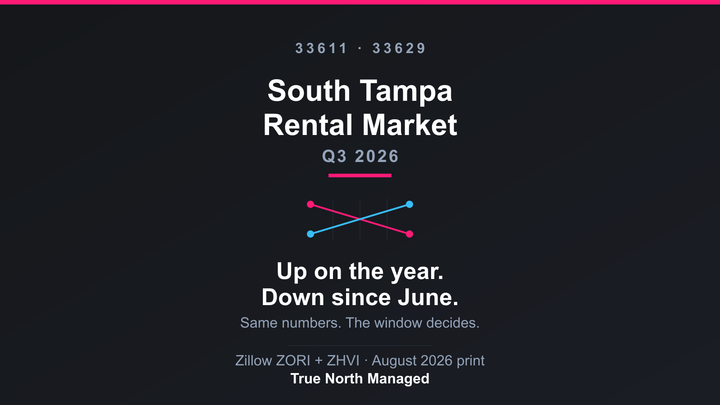
Start with the honest numbers. ZIP 33629 — Palma Ceia's ZIP, shared with its bayfront neighbors — carries a median home value of $1,036,817 as of August 2026, flat year over year (0.0%) per Zillow's home value index. The ZIP's blended median rent is $2,876, up 2.5%. Values flat, rents inching up: the same softening we covered in the August 2026 Tampa market update, playing out at the metro's most expensive address.
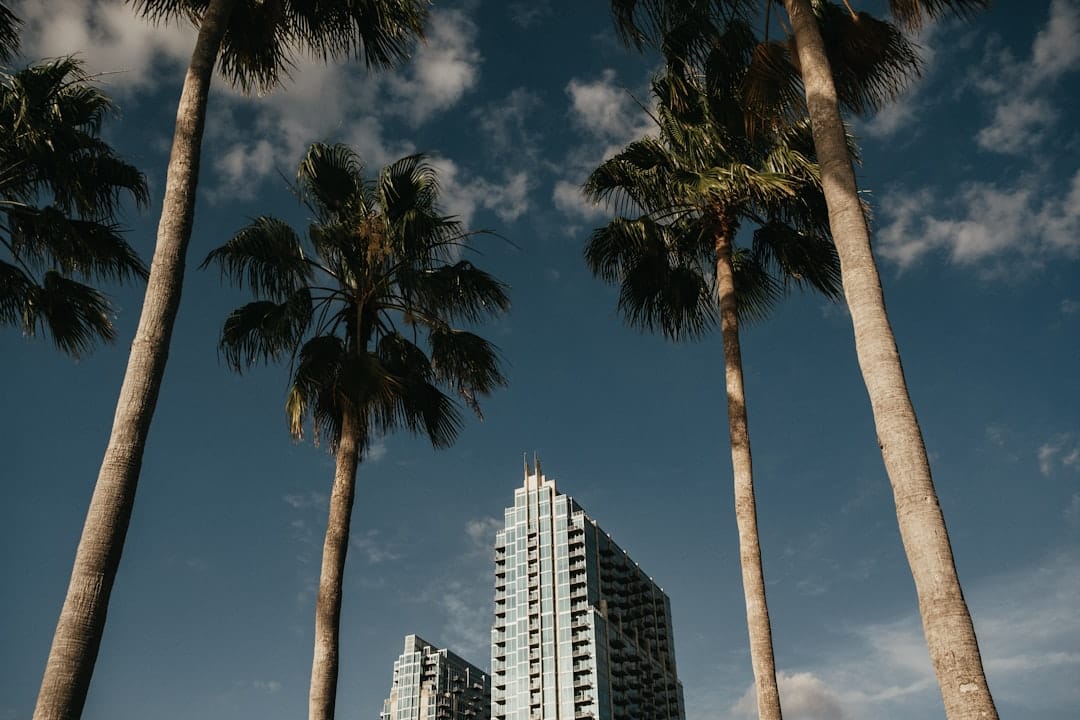
A million-dollar median against a rent under three thousand dollars is a screen most investors run once and close the tab. Hold on, though — because what that screen can't see is what actually drives this neighborhood.
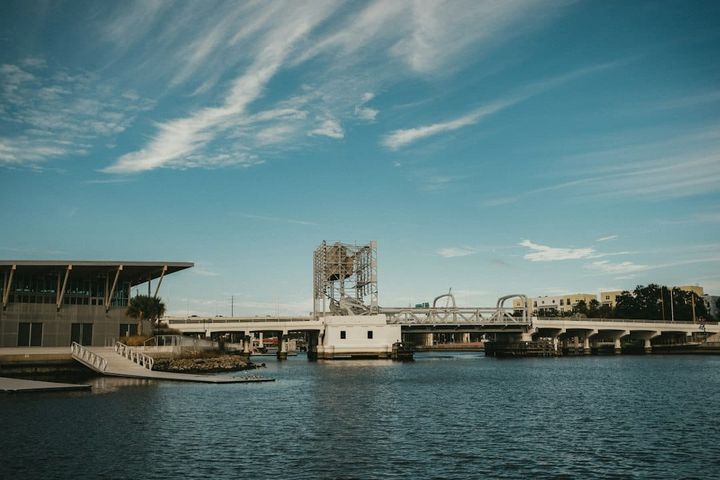
First, the place itself. Thomas Palmer platted Palma Ceia starting in 1903 and borrowed his street names from a map of old Havana, which is why you'll be renting on Sevilla or San Miguel. The Palma Ceia Golf & Country Club opened in 1916 as Tampa Bay's first private club — Donald Ross reworked the course in 1922, and the LPGA held its organizational meetings there in 1948. The Design District at MacDill and Bay to Bay packs galleries, boutiques, and some of the city's better cafes into a few walkable blocks. Fred Ball Park, down on Bayshore, still has the fountain fed by the original Palma Ceia spring. Next door sits Hyde Park, the historic-district cousin we profile separately in our Hyde Park rental investment guide. Different rulebook over there; same renter gravity.
Why does an over-capacity high school set the rent here?
Here's the part nobody selling Palma Ceia real estate explains. The neighborhood sits in one of Florida's best public-school runs: Roosevelt Elementary and Coleman Middle both hold 10/10 GreatSchools ratings, feeding Plant High School — an 8/10 with a 97% graduation rate and the kind of reputation that gets name-dropped in listings three ZIP codes away.
Now the mechanism. Florida's school-choice law, Statute 1002.31, lets any parent enroll their child in any public school in the state — but only one "that has not reached capacity." Zoned students can't be displaced by transfers, and districts must post updated capacity figures every 12 weeks. At a school with empty seats, choice makes the attendance zone almost irrelevant. At a school that's full, the law works in reverse: it locks the doors to everyone the zone doesn't already cover.
Plant is the second case. Hillsborough's 2023 redistricting fight was driven partly by severe overcrowding there — the district floated multiple scenarios to relieve it, parents pushed back, and the adopted plan left Plant's boundaries untouched. Check the district's current capacity postings before you rely on this, but the shape of it has held for years: choice can't seat a student at Plant. Only an address in the zone can. And a lease conveys that address for a fraction of the seven-figure buy-in.
That's the whole premium in one sentence. The families bidding on Palma Ceia rentals aren't paying for granite counters. They're paying for the admission ticket.
Who rents in Palma Ceia?
Two groups, mostly. The first is families playing exactly the move above — relocating doctors, transferred executives, households who sold elsewhere and want their kids in the Roosevelt–Coleman–Plant run without committing a million dollars to a market whose values were flat last year. These tenants sign on the school calendar, renew on the school calendar, and rarely leave mid-feeder. A family with a seventh grader at Coleman is, functionally, a five-year tenant.
The second group is professionals splitting the difference between Tampa's two job centers. Downtown is about four miles northeast; Westshore is a short drive the other way. Palma Ceia's Walk Score is 65, which is honest: the blocks around the Design District walk beautifully, and the quiet eastern streets are why people move here, not how they get coffee.
One verification habit worth building: confirm the school zone at the district's own attendance-boundary locator, not from the listing. Boundaries don't follow ZIP lines, and "Plant district" appears in marketing copy for addresses that aren't. If you're managing from out of state, that check is the difference between renting a premium and advertising one you can't deliver.
What rent can you actually get?
The $2,876 median needs the usual asterisk, and here it's a big one. Zillow's rent index blends the ZIP's apartment and condo stock in with the single-family homes. Treat $2,876 as the ZIP's center of gravity, not a comp for a four-bedroom on a brick street.
This is Tampa's standard comp trap — apartments and houses are two different markets wearing one ZIP code — and it cuts sharper in 33629 than almost anywhere. For district-wide rent ranges across Bayshore, SoHo, and Davis Islands, start with our South Tampa rental investment guide; for where the submarket sits right now, the South Tampa Q2 2026 pulse has the current read.
What does the investment math look like?
Formula. Cap rate = (Net Operating Income ÷ Property Value) × 100.
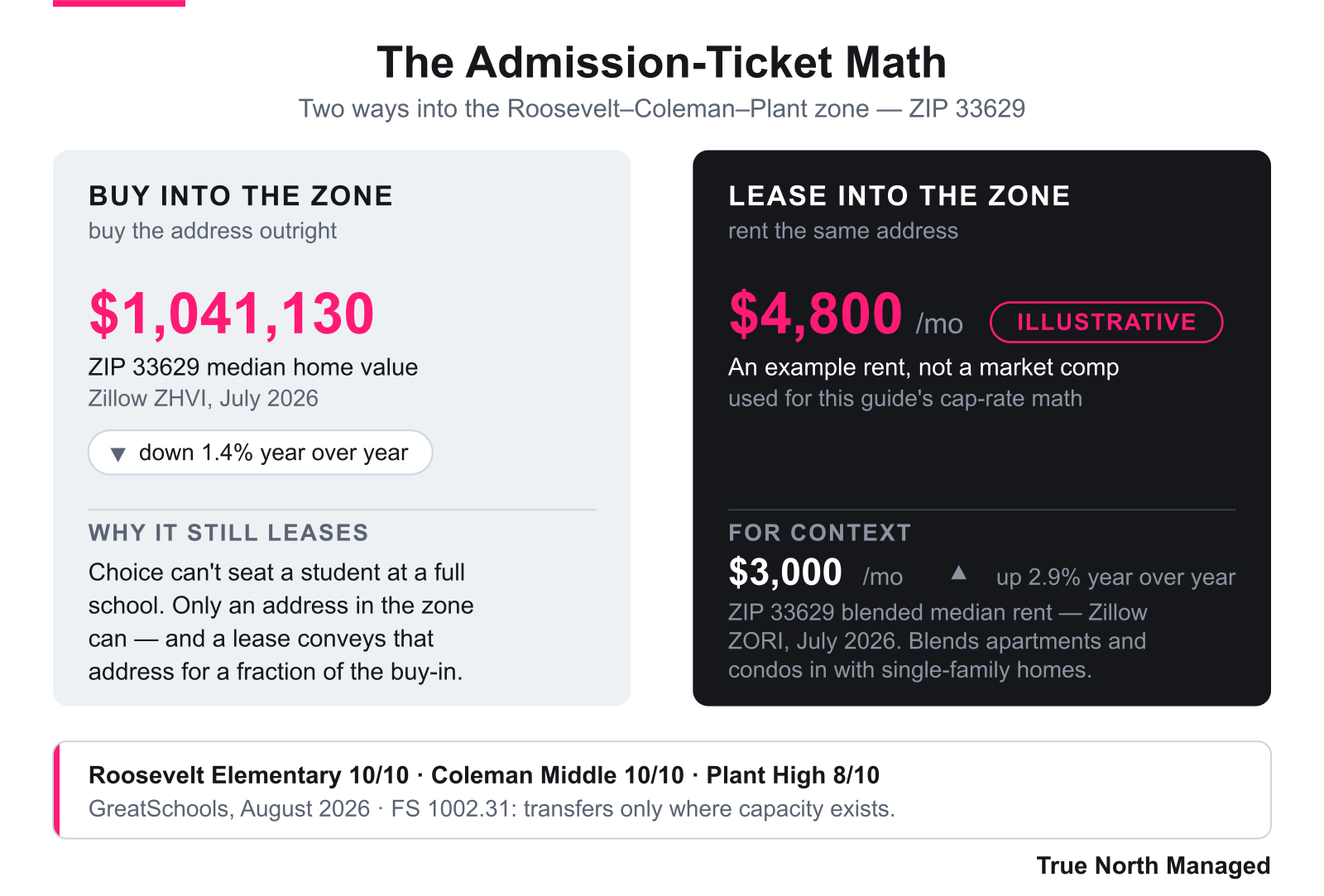
Example. Buy near the ZIP's $1,036,817 median and lease it as a family single-family at an illustrative $4,800 a month — $57,600 a year gross. City of Tampa parcels carried a total of 19.8428 mills in 2025 (about 1.98% of taxable value), and the assessment resets to just value as of January 1 of the year after you close — the Hillsborough County Property Appraiser will not carry the seller's capped number forward for you. On the purchase price that's about $20,600, though the appraiser's just value may come in lower. Add insurance on older frame-and-tile construction, age-appropriate maintenance, and a vacancy allowance — $12,000–$14,000, an example assumption — and you're somewhere near $32,500–$34,500 all-in. That leaves NOI around $23,000–$25,000 and a cap rate in the low 2s — before financing, which at typical investor rates means the note alone can outrun the rent.
What's good or bad? A low-2s cap rate fails most screens, and it should. What the screen misses is what the money is actually buying: a fixed supply of homes inside an address-locked school zone, land that custom builders pay a million-plus just to tear down and start over on, and a tenant pool whose alternative is a million-dollar purchase. The buyers this math genuinely works for are the ones who don't pay today's basis — the owner who bought years ago and is deciding whether to sell or rent, and the land-value buyer leasing the house while plans and permits grind forward. If you need cash flow from day one, look deeper into the Tampa market and keep Palma Ceia on the appreciation shelf.
What should you watch out for?
Water first. Flood exposure here is parcel-by-parcel: the neighborhood's interior sits well off the bay, but the Bayshore edge and a handful of drainage low spots carry real risk, and 2024's Hurricane Helene reset the baseline — the East Bay gauge recorded 7.2 feet above normal high water, a Tampa Bay record. Pull your specific parcel on the FEMA flood map portal and the city's evacuation-zone lookup before you write an offer, and if the zone isn't X, ask your agent before the contract whether an elevation certificate would change the flood quote on that parcel — the flood premium can make or break an already-thin cap rate.
Then the building. Much of the stock is a century old, and any home past its mid-20s needs a four-point inspection before a Florida carrier will quote it. Original wiring is a decline; on the tile roofs common here, slipped ridge and hip tiles are the finding that stalls closings. Price the electrician and the roofer before the paint.
Last, the comps. Palma Ceia's sale prices average well above the ZIP median because the sales mix skews toward new construction — a $2 million rebuild and a 1925 bungalow are both "Palma Ceia sales." The same-home value index was flat over the year to August 2026. When you price a rental, weight leased comps and days-on-market; when you buy, know which of those two markets your target actually trades in.
Own a Palma Ceia rental already?
If you're the owner this math favors — you bought at an old basis, inherited the house, or moved and kept it — you're sitting on one of Tampa's most durable rental products. The work is pricing the school-zone premium correctly and keeping a century-old house insurable. We manage rentals across South Tampa, and we'll run a free rental analysis on your specific property — the realistic rent, the real expenses, zone verification included. No obligation, no pressure.