
Hyde Park Tampa Rental Investment: The Historic District Premium
Tampa's first suburb is also its most protected. Here's what the historic district actually means for your rental — the rent numbers, the renter pool, and the approval layer nobody prices in.
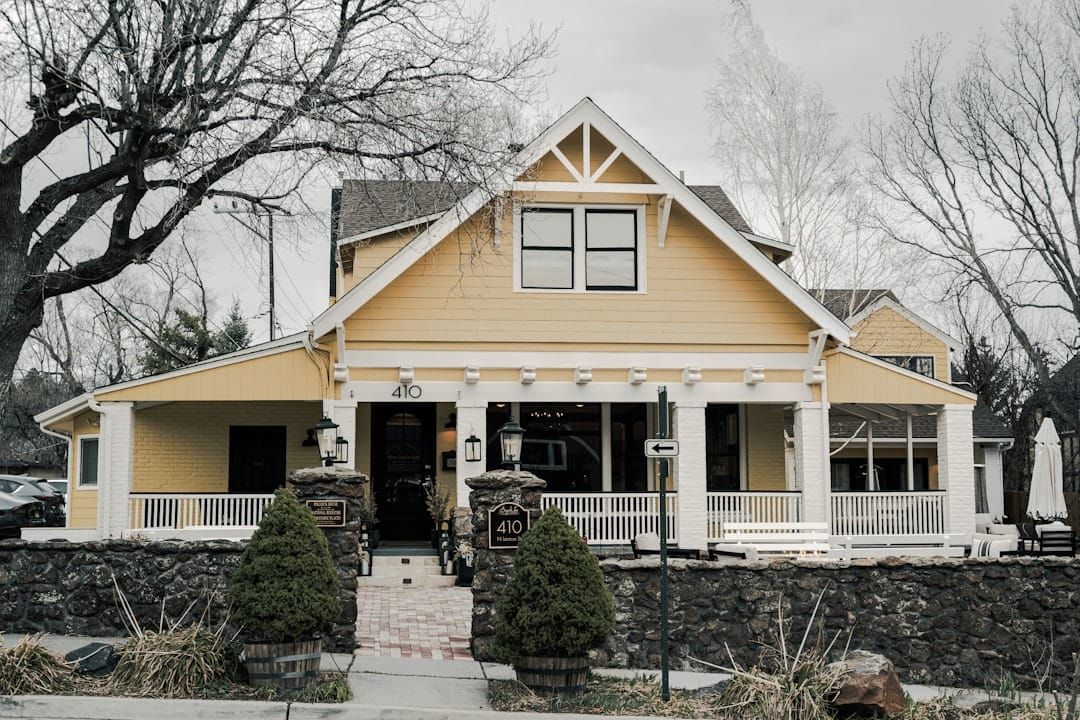
Hyde Park was Tampa's first suburb — platted in 1886, built out on streetcar lines, and still wearing its Craftsman bungalows and Mediterranean Revival facades a century later. Today it's the walkable heart of South Tampa, and a Hyde Park Tampa rental investment comes with a twist most listings never mention: much of the neighborhood sits inside a locally designated historic district, which means the city has a say in what you do to the outside of your property. That cuts both ways. The same rules that slow down your roofer are the reason the neighborhood still looks the way it does — and why tenants pay a premium to live here. Here's how the numbers and the rulebook actually shake out.
Is a Hyde Park Tampa rental investment worth it in 2026?
Hyde Park is a tenant-quality and appreciation play, not a cash-flow play. ZIP 33606's median home value sat at $851,969 as of August 2026 — down 1.7% year over year — while the ZIP's blended median rent was $2,336, up 2.5%. Prices have cooled. The renter demand underneath them hasn't.
That combination is worth sitting with for a second. Home values in 33606 fell 1.7% in the year to August 2026 per Zillow's home value index, part of the broader Tampa softening we covered in the August 2026 Tampa market update. Rents in the same ZIP rose 2.5%. When prices slip and rents hold, the math for a long-term buyer quietly improves — you're paying 2026 prices for a location whose appeal was set in 1926.
And the location is the product. Hyde Park Village anchors the neighborhood with roughly 270,000 square feet of open-air shops and restaurants — 60-plus retailers, a monthly Fresh Market with 80-some vendors on first Sundays, and a boutique hotel (Palihouse, the neighborhood's first) that opened in late 2023. Bayshore Boulevard's 4.5-mile waterfront sidewalk runs along the southern edge. The neighborhood carries a Walk Score of 70 — "very walkable" by that index's scale, and rare for Tampa. Renters can walk to dinner, the bay, and in many cases work. That's what they're paying for.
Who rents in Hyde Park?
Young professionals dominate. Tampa General Hospital — one of the region's largest employers with roughly 15,000 team members — sits a mile away on Davis Islands. The University of Tampa, with approximately 11,429 students, is just across the river. Downtown is one bridge away. Hyde Park is where the people who work at all three want to live.
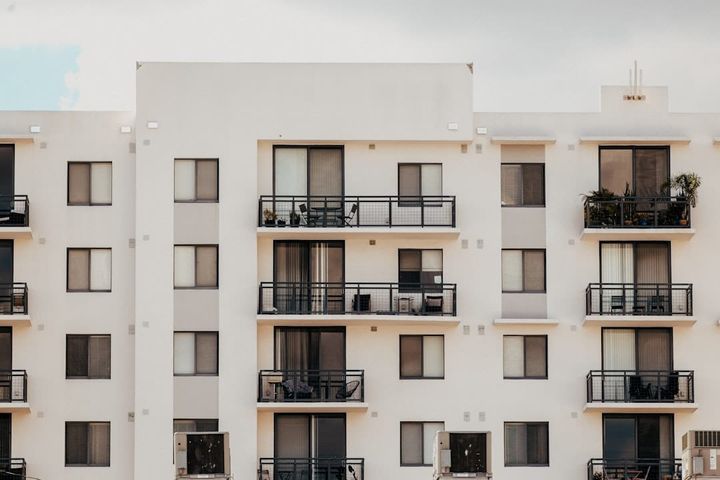
The rental pool splits by property type. The apartment and condo stock — and there's a lot of it, from renovated mid-rise communities to small multifamily tucked behind the bungalows — draws hospital staff and early-career professionals who want the SoHo restaurant corridor within walking distance. The single-family stock draws a different renter: established professionals and families who want the Plant High School zone without buying an $850,000 house in a market that's still finding its floor. Both groups tend to stay put. When your renter's daily life is built around walking to the Village, moving out of the neighborhood costs them something beyond rent.
What rent can you actually get here?
The $2,336 median needs a big asterisk: it's a blended figure. Zillow's rent index folds Hyde Park's large apartment and condo inventory in with its single-family homes, and all that one-bedroom stock pulls the number well below what a bungalow actually asks. Treat $2,336 as the ZIP's center of gravity, not a comp for your house.
This is the classic Tampa comp trap — apartments and single-family homes are two different markets wearing one ZIP code. One-bedrooms along the South Howard corridor ask far less than renovated three-bedroom bungalows. For district-wide single-family rent ranges and the cap-rate picture across Bayshore, SoHo, and Davis Islands, our South Tampa rental investment guide covers the whole district; for where the submarket sits right now, the South Tampa Q2 2026 pulse has the current read. This guide stays zoomed in on the neighborhood itself — because Hyde Park has one feature no other Tampa neighborhood shares at this scale.
What does the historic district actually mean for a landlord?
If your property is in the Hyde Park Local Historic District, exterior work — new construction, additions, exterior repairs — requires a Certificate of Appropriateness from the city's Architectural Review Commission before it happens, from roofs and windows to fences. Confirm the scope with the city's preservation staff before the crew shows up.
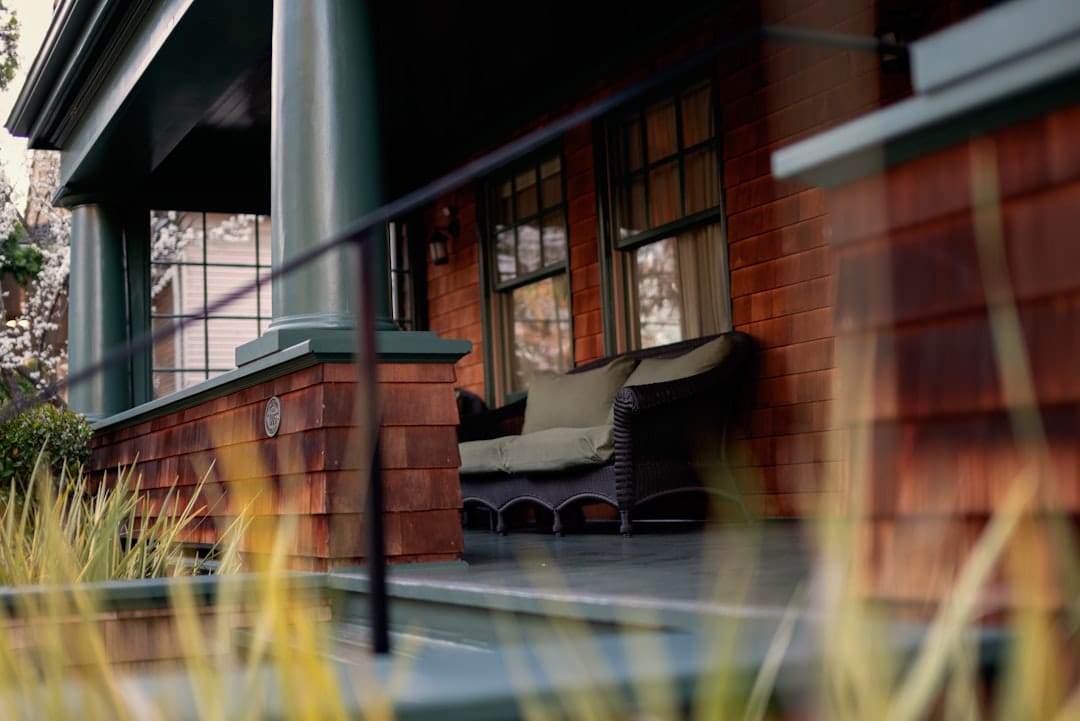
Here's the part that surprises people. Florida preempted nearly all local landlord-tenant regulation to the state back in 2023 — the city of Tampa can't touch your screening criteria or your rent. But historic-district design review is land-use law, not landlord-tenant law, and it's fully alive. Hyde Park is the rare Tampa neighborhood where a local rulebook genuinely binds your operating budget. The local district has grown, too: the city expanded the local district's boundary north in January 2023, adding 184 buildings.
In practice, the ARC functions like a co-underwriter on your maintenance plan. Simple items can be approved at staff level; bigger changes go to a public hearing on the commission's monthly calendar. Budget for the approval timeline on top of the repair itself. If you're managing from out of state, this layer is precisely what you can't handle from 1,000 miles away — someone local has to shepherd the application and walk the contractor through it.
There's a payoff hiding in the same rulebook. Florida Statute 196.1997 lets a city or county exempt "up to 100 percent of the assessed value of all improvements to historic properties which result from the restoration, renovation, or rehabilitation of such properties," and the local ordinance "must specify that such exemptions shall apply only to taxes levied by the unit of government granting the exemption. The exemptions do not apply, however, to taxes levied for the payment of bonds or to taxes authorized by a vote of the electors pursuant to s. 9(b) or s. 12, Art. VII of the State Constitution." Tampa's program covers "the portion of ad valorem taxes levied by the City of Tampa and Hillsborough County for a period up to ten (10) years" — so the school district's levy on the improvement is still due. You need a Certificate of Appropriateness before work starts, at least $10,000 of proposed work, and a recorded covenant to keep the property's historic character for the exemption term. Renovate a tired bungalow the right way, with ARC approval, and the city and county share of the tax on the improvement can be exempted for years. Almost nobody prices that in.
What does the investment math look like?
Run an illustrative deal at the ZIP median. Say you buy a three-bedroom bungalow near the neighborhood's $852,000 median value and rent it at a premium to the blended index — call it $3,600/month, or $43,200/year gross.
Formula. Cap rate = (Net Operating Income ÷ Property Value) × 100.
Example. Taxes: Hyde Park is inside the City of Tampa, whose 2025 total millage was 19.8428, and a rental pays the full rate with no homestead exemption. On an $852,000 price that's about $16,900 a year, because the assessment resets to just value on the January 1 after a sale — though the appraiser's just value may come in below your price, so check the Hillsborough County Property Appraiser before you close; the previous owner's homestead cap goes with them. Add insurance on a century-old frame house, maintenance heavy enough to respect the building's age, and a COA cushion for anything exterior — call those about $9,500 a year together, an example assumption. Assume 5% vacancy, so about $41,040 of effective income. Expenses land near $26,400, putting NOI around $14,600 and the cap rate around 1.7%.
What's good or bad? A cap rate under 2% is thin — thinner than Seminole Heights, thinner than most of the Tampa market. What you're buying instead is scarcity: a fixed supply of protected homes in the city's most walkable established neighborhood, with a renter pool anchored by a hospital and a university that aren't going anywhere.
What should you watch out for?
Three things, in order of how often they bite. First, the building itself: much of Hyde Park's stock dates to the 1910s–1920s, and knob-and-tube wiring is a decline from virtually every standard Florida carrier. Your insurer will want the four-point inspection before quoting anything. Price the electrical before you price the paint.

Second, water. Flood exposure here is block-by-block — interior Hyde Park sits meaningfully higher than the bayfront edge, but 2024's Hurricane Helene pushed record surge into Tampa Bay and reset everyone's assumptions. Check your specific parcel on the FEMA flood map portal and confirm the evacuation zone through Hillsborough County's lookup before you make an offer.
Third, the sale market. Asking prices can overshoot in a softening market. If you're pricing a rental, weight leased comps and days-on-market, not asking rents — and if you're buying, that same softness is your negotiating room.
Own a Hyde Park rental already?
If you're holding a bungalow you've outgrown, inherited, or moved away from, finding a tenant is the easy part. Knowing what the house should earn — and what the district will let you do to it — is harder. We manage rentals across South Tampa and we'll run a free rental analysis on your specific property: the realistic rent, the real expenses, block quirks included. No obligation, no pressure.