
South Tampa Rental Investment: Bayshore to Hyde Park
South Tampa is Tampa’s most affluent district — Bayshore, Hyde Park, SoHo. Here are the 2026 rent and cap-rate numbers, the flood-risk reality, and what to watch.
South Tampa is Tampa's most affluent district — Bayshore Boulevard, Hyde Park Village, SoHo, and the waterfront define it. If you own a rental here, or you're weighing one, the 2026 numbers tell a clear story: premium prices, premium rents, and cap rates that favor appreciation over cash flow. Here's what you need to know.
What Makes South Tampa Worth a Look for Rental Investors?
South Tampa is Tampa's highest-priced district, with single-family homes ranging from about $600,000 for an entry-level bungalow to well past $1.2 million for renovated and waterfront stock. Zillow's rent index put typical rents at about $2,336–$2,876 across the Hyde Park, Bayshore, and 33611 ZIPs as of August 2026, and cap rates run thin — about 1.8% in the worked example below. Tenant demand is strong and steady — executives, professionals, and military families near MacDill AFB. It's an appreciation play, not a cash-flow play.
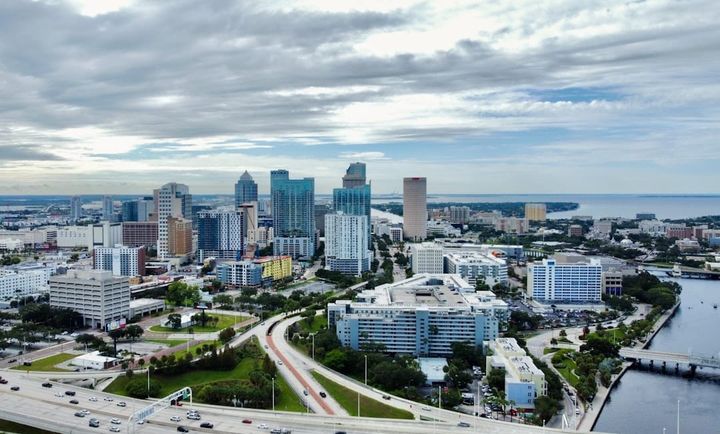
The district spans Bayshore Boulevard's waterfront promenade, Hyde Park Village's shopping and dining, and SoHo's nightlife. Housing stock runs from 1920s bungalows to 2020s new construction. MacDill Air Force Base sits on the Interbay Peninsula about 15 minutes south, and military BAH supports a steady renter pool. Davis Islands, the archipelago at the mouth of the Hillsborough River, is part of South Tampa and commands some of the highest rents in the metro. Bayshore's 4.5-mile waterfront path — one of the longest continuous sidewalks in the country — is a genuine selling point for renters who want outdoor recreation without leaving the neighborhood.
How Much Rent Can You Realistically Get in South Tampa?
Zillow's observed rent index put the typical asking rent at about $2,336 in Hyde Park (33606), $2,876 in Palma Ceia and Bayshore (33629), and $2,348 in 33611 toward MacDill as of August 2026. That index blends every rental type, so price a specific house off recent single-family comps. Waterfront and Hyde Park Village proximity command the top of the range. Updated kitchens, central AC, and off-street parking move a unit faster.
Renters here pay for location: Bayshore's waterfront path, Hyde Park Village's walkable retail, SoHo's restaurants and bars. Military families relocating to MacDill often rent in South Tampa for school quality and the short commute. Even as the wider Tampa apartment market softens, single-family homes in established districts like this one have held up.
Who Rents in South Tampa?
South Tampa renters skew toward executives, professionals, and military families. Many work downtown, at Tampa General Hospital, or at MacDill AFB. They value walkability, the Plant High School zone, and neighborhood character. Pet-friendly units lease faster. Lease terms often run 12 to 24 months.
You'll see fewer first-time renters here and more relocating professionals and military households. Turnover is moderate — tenants tend to stay 18 to 24 months before buying or before a PCS move. Quality tenants are the norm, and your screening standards should match the rent level. A $3,400/month home deserves the same careful screening you'd give any premium asset: income verification, rental history, and credit.
What's the Typical Cap Rate in South Tampa?
South Tampa cap rates run thin for turnkey rentals. A $700,000 home generating $39,000/year in gross rent, minus about $26,080 in expenses and vacancy, yields about $12,920 NOI — a cap rate near 1.8%.
Formula. Cap rate = (Net Operating Income ÷ Property Value) × 100.
Example. $700,000 purchase, $3,250/month rent ($39,000/year) as an example rent. Property tax at the City of Tampa's 2025 total millage of 19.8428 mills on the purchase price is about $13,890; the appraiser's just value may come in lower. Add $4,000 insurance (an example assumption), maintenance at 8% of gross rent ($3,120), management at 8% ($3,120, an assumption), and 5% vacancy ($1,950, an assumption): about $26,080 in all. NOI lands near $12,920. Cap rate: about 1.8%.
What's good or bad? You're betting on appreciation and low vacancy, not day-one cash flow. The South Tampa / MacDill submarket guide breaks down the full military demand angle.
How Walkable Is South Tampa?
South Tampa has a Walk Score around 60 — "somewhat walkable." Hyde Park Village, SoHo, and Bayshore Boulevard are the walkable cores. Downtown is 3–4 miles away, and many residents drive. Transit exists but isn't as strong as in downtown Tampa.
The district keeps improving. Bayshore's 4.5-mile path is one of Tampa's best assets. Renters who prioritize walkability tend to choose Hyde Park or SoHo blocks over deeper South Tampa, and Davis Islands adds another walkable pocket. If walkability is your tenant's top priority, the block matters as much as the district.
What Property Types Will You Find in South Tampa?
South Tampa's housing mix runs from 1920s–1940s historic bungalows to renovated mid-century homes to 2010s–2020s new construction. Most rentals are single-family homes; a smaller number of condos and townhomes exist, concentrated on Davis Islands, in Hyde Park, and in newer infill.
Older homes need a careful inspection — foundation, electrical, plumbing. Newer construction tends to be low-maintenance but priced at a premium. Waterfront and near-waterfront command the highest prices and rents. Lot sizes vary; many historic bungalows sit on larger lots with room for a pool or an addition. The range of housing ages means you can buy 1920s character or 2020s turnkey depending on your budget and how much renovation you want to take on.
What Are the Risks of Investing in South Tampa?
Premium prices mean thin margins — a cap rate near 1.8%, as in the worked example above, leaves little room for a vacancy or an expense spike. Flood risk is the biggest single variable, and it varies sharply by block. Insurance runs higher than suburban Tampa, and older homes can hide deferred maintenance.
Flood exposure deserves real attention. As of 2026, the 33611 ZIP — covering much of South Tampa toward the Interbay Peninsula — carries one of Tampa's highest flood-risk profiles, with the large majority of properties facing some severe-flood risk. That has split the market in two: elevated newer construction sells fast, while older bungalows in flood zones sit longer because of insurance cost. Check every parcel on the FEMA flood map portal before you buy. Flood Zone X is ideal; Zone AE adds a required flood policy. Premiums in an AE zone can run several thousand dollars a year on top of wind coverage.
Inventory is tight and good deals move quickly — you're competing with owner-occupants and other investors. Hurricane exposure drives insurance; wind-mitigation credits help. Older homes (pre-1960) often need roof updates — $15,000–$25,000 for a full replacement — and electrical upgrades to meet current code. Get a thorough inspection before buying, and budget maintenance at 8–10% of gross rent; older stock runs higher.
What About HOA, Insurance, and Taxes in South Tampa?
Many South Tampa homes have no HOA. Condos and some newer subdivisions do — expect $200–$500/month. Inside the City of Tampa, the 2025 total millage was 19.8428 mills, about 1.98% of taxable value; check your parcel's millage on the property appraiser's site. Insurance runs $4,000–$7,000/year for a $700,000 home, depending on age, flood zone, and wind mitigation.
There's no CDD in most of South Tampa, which keeps carrying costs simpler than in master-planned suburbs. The bigger budgeting trap is reassessment at sale: your first-year tax bill can jump well above the previous owner's homestead-capped amount. Budget for the full assessed value, not the seller's capped figure. Hillsborough County's property appraiser site lets you check assessed values and tax history before you close.
How Does South Tampa Compare to Nearby Neighborhoods?
South Tampa sits above Central Tampa in price and below it in cap rate. Central Tampa — Tampa Heights, Seminole Heights, Ybor — offers higher cap rates at $350,000–$450,000 entry points. South Tampa trades that yield for stability and prestige. Davis Islands and Bayshore are the priciest pockets within South Tampa.
For an investor who wants premium tenant quality and is willing to accept thin cash flow for appreciation, South Tampa works. For stronger day-one yield, Central Tampa is the better play. Both are real strategies — the right one depends on whether you're buying for cash flow or for the long hold.
Ready to Run the Numbers on Your South Tampa Property?
If you own one home in South Tampa — a place you relocated out of, a house you inherited, a property you decided to keep — we can help you figure out what it should rent for and what it will actually net after taxes, insurance, and flood costs. We manage single rentals across Tampa and know this district block by block. We'll run a free rental analysis on your specific property and walk you through the numbers. No obligation.