
Downtown Tampa Rental Investment: The Water Street Premium
Downtown Tampa is a condo-focused market — Zillow put ZIP 33602 at about $519K typical home value and $2,666/month typical rent in August 2026, and a worked condo example lands near a 3.4% cap rate. Water Street Tampa draws renters, but HOAs of $300-800/month reshape the math.

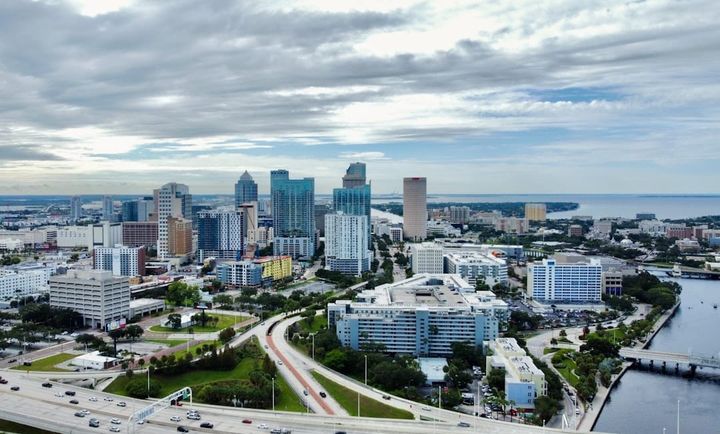
Downtown Tampa is the urban core—high-rise condos and Water Street Tampa. If you're weighing a rental investment in Tampa's CBD, here's what the numbers tell you.
What Makes Downtown Tampa Worth a Look for Rental Investors?
Quick answer: Downtown Tampa is a condo-focused market. Zillow put ZIP 33602's typical home value at $519,094 and its rent index (all rental types) at $2,666/month in August 2026, and the worked condo example below comes out near a 3.4% cap rate. You get high-rise living, Water Street Tampa development, and proximity to USF Health, the Tampa Convention Center, and Amalie Arena. HOAs run $300–800/month. It's a play for investors who want urban core exposure and are comfortable with condo economics.
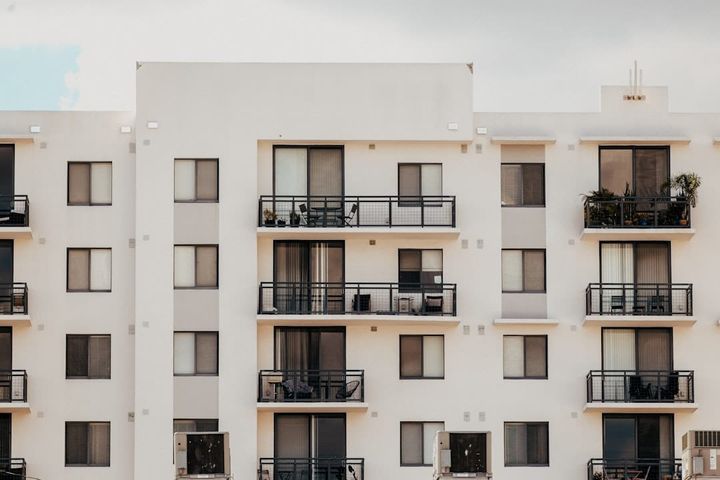
This isn't a single-family market. Almost all rental inventory is condos. Water Street Tampa has added new supply and lifted the bar for downtown living. Renters pay for views, walkability, and amenities.
We've managed downtown condos for years. The tenant pool skews professional—lawyers, doctors, executives, and corporate relocations. They want turnkey, concierge, and a lock-and-leave lifestyle. Expect 12–24 month tenancies. Corporate relocations can be shorter; empty nesters often stay longer. Screening for income and rental history is critical—you're dealing with higher rents and higher stakes.
Where Are the Numbers?
Quick answer: Typical home value ~$519K and typical rent ~$2,666/month in ZIP 33602 (Zillow, August 2026, all home and rental types). Cap rate ~3.4% on the worked example below. HOA: $300–800/month. Urban core, waterfront, high-rise.
| Stat | Value |
|---|---|
| Typical home value, ZIP 33602 (all types) | ~$519,000 (Zillow ZHVI, August 2026) |
| Typical rent, ZIP 33602 (all types) | ~$2,666/month (Zillow ZORI, August 2026) |
| Cap rate | ~3.4% (worked example below) |
| HOA | $300–800/month |
| County | Hillsborough |
How Much Rent Can You Realistically Get?
Quick answer: Zillow's rent index for ZIP 33602 was $2,666/month in August 2026, up 0.6% year over year, across all rental types. Three-bedrooms are rare and command premiums. Rents vary by building, floor, and view. Water Street and newer towers get top dollar.
Renters pay for location: walk to work, restaurants, Amalie Arena, the Riverwalk. Waterfront and high-floor units command premiums. Amenities (pool, gym, concierge) support rents but also drive HOA costs.
One thing we've seen: renters will pay $200–400/month more for a unit with a view—water or city skyline. Floor matters. A 15th-floor unit can rent for 10–15% more than a 1st-floor unit in the same building. Factor that into your underwriting when you're comparing comps.
Who Rents Here?
Quick answer: Downtown Tampa renters skew professionals, executives, and empty nesters who want urban living without a yard. Many work at USF Health, the Convention Center, law firms, or downtown offices. They value walkability, amenities, and a lock-and-leave lifestyle. Pet policies vary by building—check before you buy.
You'll see fewer families. Renters often stay 12–24 months. Corporate relocations and short-term assignments drive some demand. Turnover can be moderate to high depending on the building.
What's the Typical Cap Rate?
Quick answer: On the example below, a $350K condo renting for $2,600/month ($31,200/year) nets roughly $11,900 after full City of Tampa property tax, the HOA, and other costs—about a 3.4% cap rate. Higher HOAs compress yields further.
Formula: (Net Operating Income ÷ Property Value) × 100
Example: $350K purchase and $2,600/month rent ($31,200/year), both example assumptions (ZIP 33602's rent index was $2,666 in August 2026). Property tax: about $6,945 (City of Tampa's 2025 total millage of 19.8428 mills on the purchase price; the appraiser's just value may come in lower). HOA $5,000 plus insurance, maintenance, vacancy, and management: about $12,350 (an example assumption). NOI ≈ $11,900. Cap rate: about 3.4%.
What's good or bad? On these inputs, a downtown condo lands near 3.4%. You're paying for appreciation potential and a premium tenant pool. Compare the numbers in our guides to Ybor City or Seminole Heights. This is an appreciation play, not a yield play.
How Walkable Is Downtown Tampa?
Quick answer: You can walk to offices, restaurants, Amalie Arena, the Riverwalk, and the streetcar to Ybor. Many residents rarely need a car. The TECO Line Streetcar and Tampa Riverwalk extend the walkable zone.
Walkability is downtown's main draw. Renters who prioritize it choose downtown over South Tampa or suburban options. The Riverwalk extends through downtown to Channelside—it's a real amenity for runners, dog walkers, and weekend strollers. Buildings with Riverwalk access can command a small rent premium. Check the exact walking distance from your target unit.
What Property Types Will You Find?
Quick answer: Downtown Tampa is almost entirely condos—high-rises, mid-rises, and a few townhomes. Water Street Tampa has added new towers. You'll find one-, two-, and a few three-bedroom units. SFH doesn't exist in the core. This is a condo market.
Building quality and HOA health vary. Newer buildings have higher HOAs but better amenities. Older buildings can have lower HOAs but deferred capital needs. Review condo docs and reserves before you buy. Florida's condo law requires reserve studies and funding for certain items—roof, pavement, painting, etc. A building that's underfunded can hit owners with special assessments. We've seen $5,000–15,000 assessments in downtown buildings. Request the reserve study and the last 2 years of financials.
What's Driving Prices and Demand?
Quick answer: Downtown Tampa demand comes from professionals who work in the core, empty nesters downsizing, and renters who want urban living. Water Street Tampa has raised the bar and drawn new development. USF Health, the Convention Center, and Amalie Arena anchor employment and events. Expect continued interest as the Central Tampa urban core grows.
The downtown condo market has recovered from the 2008–2012 downturn. New construction has added supply. Rents have held. Water Street Tampa has set a new standard—tenants expect quality finishes, amenities, and walkability. Older buildings compete on price; newer ones compete on amenities. Know which segment you're buying into.
What Are the Risks?
Quick answer: Condo HOAs can rise—special assessments happen. Insurance costs have spiked in Florida; HOA master policies pass those costs through. Flood and wind risk exist. Inventory can be tight in desirable buildings. Rental restrictions vary by building—some limit or prohibit rentals.
Know the condo docs. Check rental policies. Factor HOA increases into your long-term model.
HOA, Insurance, and Taxes?
Quick answer: Downtown condos have HOAs—expect $300–800/month. Fees cover insurance (master policy), common areas, amenities, and reserves. City of Tampa property tax applies: 19.8428 mills in 2025, about 1.98% of taxable value, and a purchase resets the assessed value to just value the following January 1 (FS 193.1554(5)). You'll also pay for interior insurance (walls-in) and possibly flood if you're in a flood zone.
HOA fees are the biggest expense. They compress cash flow. Well-run buildings with healthy reserves are worth it; underfunded ones are a risk. Review the last 2 years of financials and the reserve study. One thing to watch: Florida's condo insurance market has tightened. The HOA master policy passes those costs through to owners. Ask the HOA about recent insurance renewals and any planned assessments. A building that just renewed at a 40% increase may have a special assessment coming.
How Does Downtown Tampa Compare to Nearby Neighborhoods?
Quick answer: Ybor City offers more walkability variety (SFH, lofts, condos). South Tampa is more suburban, SFH-focused, and has different tenant demographics.
For investors who want pure urban core exposure and are comfortable with condo economics, downtown is the play. For SFH, look at Ybor City or Tampa Heights.
One more angle: downtown condo rental restrictions vary by building. Some limit the number of rentals; some require minimum lease terms; some prohibit short-term rentals. Check the condo docs before you buy. A building that allows 50% rentals is different from one that allows 10%. You don't want to discover you can't rent your unit after you close.
Ready to Run the Numbers?
Quick answer: Downtown Tampa works for investors who want urban core exposure, premium rents, and are comfortable with thin cap rates (about 3.4% in the worked example) and condo HOAs. It's an appreciation play, not a yield play. Run a free rental analysis on your target condo to see what the numbers look like for you.
We manage rentals across Central Tampa and can help you model rent, expenses, and cash flow for a specific downtown property. Get a free rental analysis and we'll break down what you can expect.