
Winter Springs Rental Investment: Golf-Community Homes and School-Driven Demand
Winter Springs blends the Tuscawilla golf community with a new-urbanist Town Center, and school-zoned single-family homes drive steady, low-turnover rental demand.
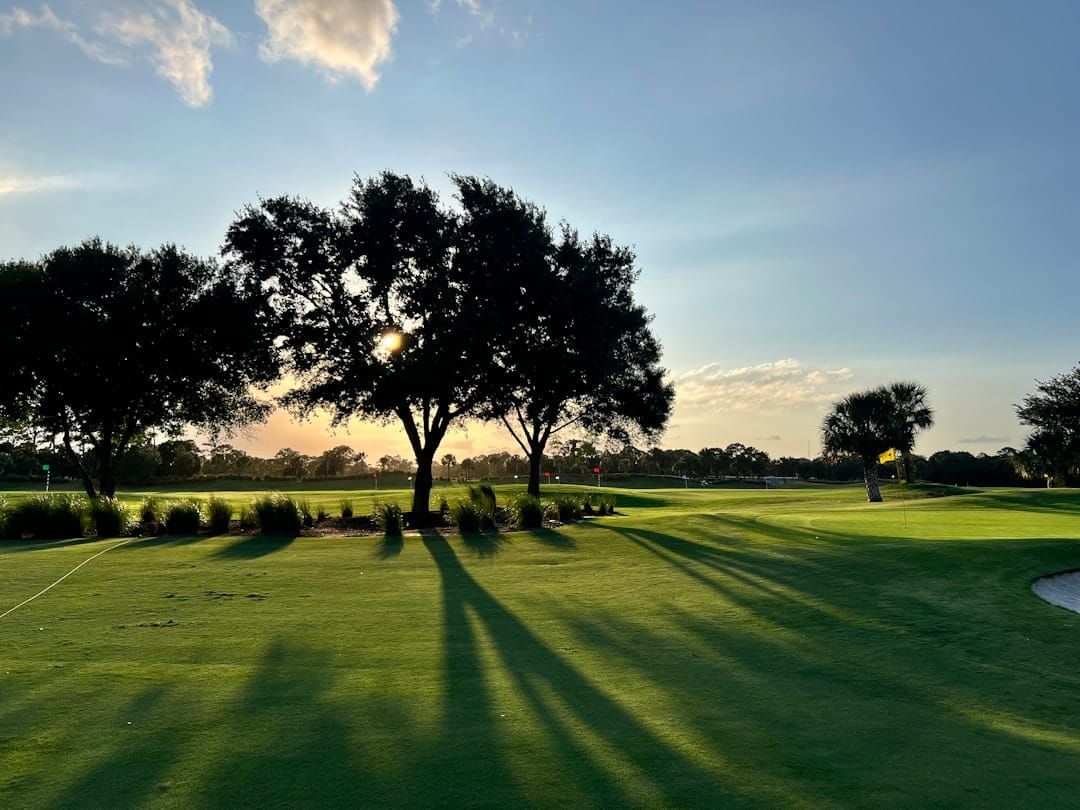
A Winter Springs rental investment puts you in one of Seminole County's most settled suburbs—a place built around a 3,500-acre golf community and now anchored by a walkable downtown that didn't exist a generation ago. The median home in ZIP 32708 is worth about $422,994, and the typical home rents for around $1,977 a month (Zillow Research, 2026-08). That rent is up 2.6% over the prior year while values eased about 0.8%—a combination that tells you demand here is steady even when the for-sale market cools. Most renters come for the schools and the single-family homes, not nightlife or a downtown commute. That shapes everything: who rents, how long they stay, and what you can charge. Here's what we see managing properties across Seminole County.
Neighborhood Snapshot
Winter Springs is an incorporated city of roughly 40,000 people south of Lake Jesup, originally founded as North Orlando in 1959 and renamed in 1972. The center of gravity is Tuscawilla—one of the oldest planned communities in Seminole County, with its own country club and golf course—surrounded by the Winter Springs Town Center along State Road 434.
| Metric | Value |
|---|---|
| Median home value (32708) | $422,994 (Zillow Research, 2026-08) |
| Median rent (32708) | $1,977/mo (Zillow Research, 2026-08) |
| Rent YoY change | +2.6% (Zillow Research, 2026-08) |
| Home value YoY change | -0.8% (Zillow Research, 2026-08) |
| Population | ~40,000 |
| Median age | ~40 |
| Millage, City of Winter Springs (2025) | 16.1883 mills total (county operating 5.3751; Florida DOR, 2025 final) |
| School district | Seminole County Public Schools |
| Anchor community | Tuscawilla (3,500-acre PUD) |
What renters want in Winter Springs
Families dominate here, and they want the same three things: a single-family home with a yard, a garage, and a good school assignment. Winter Springs sits inside Seminole County Public Schools, a district that draws families across Central Florida. Ratings vary by the specific school your address is zoned for—Winter Springs High earns strong marks while some feeder schools land closer to average—so a smart renter (and a smart investor) checks the assigned elementary, middle, and high school for the exact street, not just the city.
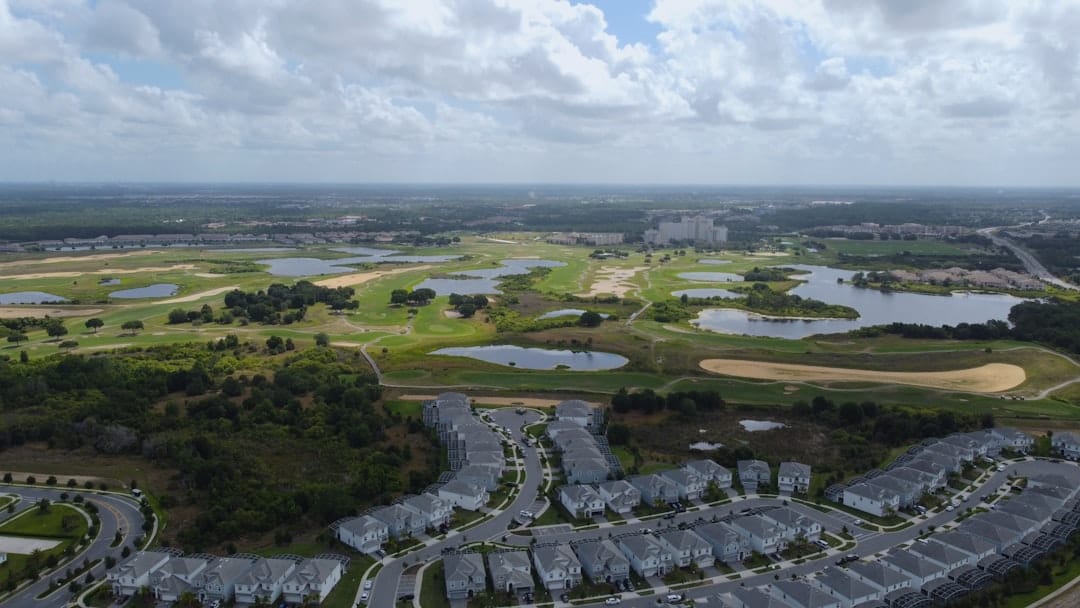
Beyond schools, the lifestyle does real work. Central Winds Park is a 103-acre complex on Lake Jesup with ballfields, a dog park, and nature trails. The Cross Seminole Trail runs straight through town, linking Winter Springs to Oviedo, Longwood, and Lake Mary on a paved path. The Town Center gives renters a walkable cluster of shops and restaurants that older Seminole suburbs lack. None of this is flashy. It's the kind of quiet, established suburb where tenants sign a lease, enroll their kids, and stay for years—which is exactly what you want.
Does a Winter Springs rental investment cash flow?
Here's how a typical Winter Springs single-family rental pencils out, using the Zillow numbers as your inputs.
Formula: Cap rate = (Net Operating Income ÷ Property Value) × 100
Example: You buy a 3-bedroom home at the median value of $422,994 and rent it for $1,977/month—$23,724 a year in gross rent (Zillow Research, 2026-08). Subtract the real costs: property taxes around $6,850 (the City of Winter Springs' 2025 total millage of 16.1883 on the full price, since a sale resets the assessment; the appraiser's just value may come in lower), landlord insurance of $2,200 (an example assumption), maintenance around $2,800 (an example assumption), a 7% vacancy allowance (about $1,660), and 8% management (roughly $1,900). That leaves a net operating income near $8,300. Against the $422,994 price, your cap rate lands around 2.0%.
What's good or bad? A roughly 2% cap rate is low on raw yield, and that's the honest tradeoff in Winter Springs. You're not buying for cash flow—you're buying for stability, appreciation, and a tenant pool that doesn't churn. That's the same profile we see in nearby Lake Mary and Longwood: school-driven demand pushes prices up faster than rents, so yield compresses. If you need a 5%+ cap rate, this isn't your submarket. If you want a low-vacancy, low-drama hold with a strong resale story, it fits.
What should landlords know about managing rentals in Winter Springs?
The fundamentals are the same as anywhere in Florida, but a few Winter Springs specifics change how you price, screen, and operate.
- Price to the school zone, not the city average. A home zoned for a higher-rated school commands a premium and rents faster. Verify the assignment for the exact address before you set rent—two homes a mile apart can sit in different attendance zones.
- Read the Tuscawilla HOA layer carefully. Tuscawilla isn't one HOA—it's a 3,500-acre community with a master association and roughly 28 sub-associations, each with its own rules. Some sub-communities cap or restrict rentals, set minimum lease terms, or require board approval of tenants. Get the recorded covenants for the specific subdivision before you close, not after.
- The country club is optional, and that matters. Living in Tuscawilla doesn't require a Tuscawilla Country Club membership. Don't assume golf or club access is bundled with the home—renters ask, and the answer affects what you can market.
- Budget for established-suburb maintenance. Much of Tuscawilla was built from the late 1970s into the 1990s. Roofs, HVAC, and original kitchens in that vintage need attention, and don't be surprised by a four-figure system replacement during a hold.
- Watch the Town Center pipeline. The Winter Springs Town Center is still filling in, with townhome and mixed-use projects moving through city review. New walkable inventory near SR 434 can lift demand for nearby rentals—and add competition. Track what's approved.
- Confirm the city's short-term rental stance before you try one. Seminole County's $250 vacation-rental registration applies to unincorporated areas; Winter Springs is incorporated, so the city's own code governs. Check the rules before listing anything under 30 days.
What should investors watch out for in Winter Springs?
The biggest risk isn't dramatic—it's overpaying for yield that isn't there. Cap rates here run low, so the math only works if you buy right and hold. Run your numbers at the actual purchase price, not a hoped-for rent.
If you're buying from out of state, this is where local eyes matter most: the items below are hard to confirm from a listing photo or a Zillow page. School-zone boundaries, the recorded HOA covenants for one specific subdivision, and a parcel's flood line are things someone has to verify on the ground—not from a thousand miles away. It's the difference between what you can check remotely and what needs boots in the county.
Three other items deserve a look before you sign. First, flood exposure: most of Winter Springs sits in low-risk Zone X, but pockets near Lake Jesup and local creeks carry real risk. Pull the flood determination for the specific parcel through the City of Winter Springs Public Works office and the FEMA maps before closing—an unexpected flood-insurance requirement can wipe out a thin margin. Second, the HOA rental rules mentioned above can be stricter than you expect inside Tuscawilla; a community that requires tenant approval or sets a 12-month minimum lease changes your strategy. Third, property taxes: the 2025 total millage inside Winter Springs is 16.1883 mills, with the city's own 2.62 mills on top of county, school, fire and water-district levies, so verify the full tax bill at the Seminole County Property Appraiser rather than trusting the seller's old number; yours depends on assessed value and homestead status.
How does Winter Springs compare to nearby areas?
Within Seminole County, Winter Springs reads as a school-and-golf suburb with a new downtown layered on top. Compared with Lake Mary, it's a touch less corporate—Lake Mary anchors the I-4 office corridor and carries a higher median home value, while Winter Springs leans residential and family-first with the Tuscawilla identity at its center. Compared with Sanford, the contrast is sharper: Sanford offers a historic downtown, lower entry prices, and stronger raw yield, where Winter Springs offers higher prices, lower turnover, and a school-driven premium. If you want cash flow, Sanford likely wins; if you want a stable, low-vacancy hold with a clean resale story, Winter Springs does. Both sit inside the same county and the same Orlando market, so they share the metro's fundamentals—they just sit at different ends of the yield-versus-stability spectrum.
Winter Springs guides and resources
We manage rentals across Seminole County and know how Winter Springs differs block by block—Tuscawilla isn't the Town Center, and a Country Club Village home rents to a different tenant than a townhome off SR 434. For the broader county picture, start with our Seminole County investment guide and compare against Altamonte Springs, Lake Mary, and Longwood. For how the whole I-4 corridor fits together, the Orlando market overview lays it out.
If you own or are weighing a Winter Springs property, get a free rental analysis and we'll run the numbers for your specific address—school zone, HOA rules, and all. No obligation, just the data you need to decide.