
Port Tampa City Rental Investment: South Tampa Without the Ceiling
Port Tampa City is the affordable entry into South Tampa — majority-renter, MacDill-driven, walkable waterfront. Here are the 2026 rent and value numbers, the cap-rate math, and the flood reality.

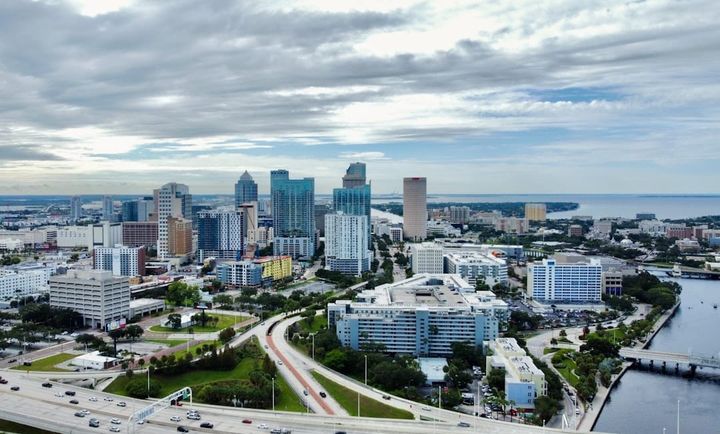
Port Tampa City sits at the southern tip of the Interbay Peninsula, a historic neighborhood that started as Henry Plant's deep-water rail port in 1885 and is now the most affordable way into South Tampa. If you own a rental here, or you're weighing one, the 2026 numbers tell a steady story: a majority-renter market, MacDill AFB demand a few minutes up the road, and walkable waterfront — without the Bayshore or Palma Ceia price tag. Here's what you need to know.
Zillow's rent index for ZIP 33616 is $2,167/month, down 2.8% year over year, and its home value index is $408,593, down 3.0% (Zillow Research, August 2026). That combination — South Tampa proximity at a price point well below Hyde Park — is the whole pitch for Port Tampa City as a rental.
Neighborhood Snapshot
Port Tampa City is a small, dense, majority-renter neighborhood on the bay side of the peninsula, minutes from the MacDill gate. About 52% of occupied homes are rentals, the population runs near 4,230, and median household income sits around $93,000 (per city-data's read of recent Census figures). The housing is older bungalows and cottages mixed with newer infill and the high-rise residential going up in the adjacent Westshore Marina District.
| Metric | Value |
|---|---|
| Median rent (ZIP 33616) | $2,167/mo (-2.8% YoY, Aug 2026) |
| Median home value (ZIP 33616) | $408,593 (-3.0% YoY, Aug 2026) |
| Renter-occupied share | ~52% (majority-renter) |
| Median household income | ~$93,000 |
| Median age | ~35 |
| 2026 BAH, E-5 w/dependents (MacDill) | $2,709/mo |
| 2026 BAH, O-3 w/dependents (MacDill) | $3,081/mo |
| Robinson High School (GreatSchools) | 6/10 (magnet, IB/Cambridge) |
| FEMA flood exposure | Zone AE common; VE near open water |
| Distance to MacDill gate | ~5-10 minutes |
The rent and value figures come from Zillow Research, August 2026. BAH rates are published by the Defense Finance and Accounting Service and matter here because so many of your renters are tied to the base. Both home values and rents softened slightly over the past year, in line with the wider Tampa cooldown — a buyer's edge if you're shopping, something to price in if you're holding.
What renters want in Port Tampa City
Renters in Port Tampa City want a short commute to MacDill, water access, and a South Tampa address they can actually afford. The tenant pool splits two ways: active-duty military and DoD civilians from the base, and younger professionals priced out of Hyde Park who still want walkable waterfront. That dual demand is why a majority-renter neighborhood this close to the gate stays liquid.
The base is the anchor. Port Tampa City is one of the closest neighborhoods to the gate — a 5-to-10-minute drive. A 2-or-3-bedroom home priced at or under E-5 BAH with dependents ($2,709/month) has a built-in renter pool that doesn't vanish in a downturn, because the allowance is federally backed and tax-free.
The other draw is lifestyle on a budget. The Picnic Island Park waterfront — dog beach, fishing pier, disc golf, boat ramp — sits right in the neighborhood. The Westshore Marina District added a mile-and-a-half of pedestrian waterfront path, dining, and a deep-water marina just to the north. Renters here get the South Tampa water-and-walkability appeal at a rent below Hyde Park's (Zillow's August 2026 rent index: $2,167 in 33616 vs. $2,336 in Hyde Park's 33606). Updated kitchens, off-street parking, and a fenced yard for the dog move a Port Tampa City unit fastest.
Investment math in Port Tampa City
At the ZIP's typical value and rent — $408,593 and $2,167/month (Zillow, August 2026) — a turnkey single-family rental pencils out to roughly a 1.8% cap rate once full City of Tampa property tax goes in. You're buying location and base-driven demand, not yield.
Formula. Cap rate = (Net Operating Income ÷ Property Value) × 100. Take gross annual rent, subtract vacancy and operating expenses, and divide by what you paid.
Example. You buy at the ZIP's typical value of $408,593 and rent it for the ZIP's typical $2,167/month — $26,004 a year (Zillow, August 2026). After about 6% vacancy ($1,560, an assumption), effective income is $24,444. Operating expenses run higher here than in suburban Tampa: property tax around $8,108 (City of Tampa's 2025 total millage of 19.8428 mills on the purchase price; the appraiser's just value may come in lower), insurance $4,500 (an example assumption — flood and wind on the peninsula push this up), management at 9% ($2,340), and a maintenance reserve at 8% ($2,080) — call it $17,028. NOI lands near $7,416. Cap rate: about 1.8%.
What's good or bad? A turnkey Port Tampa City rental at full market price runs about 1.8% on these inputs, and how hard insurance hits your specific parcel moves it most. You're paying for location and low vacancy, not day-one cash flow. A home outside the worst flood micro-zone, with wind-mitigation credits, will do better than the example. A waterfront parcel in Zone VE with a five-figure flood premium can wipe out the NOI entirely. Run the insurance quote before you run the offer.
What should landlords know about managing rentals in Port Tampa City?
Managing a Port Tampa City rental means managing for a military-heavy tenant base. The base sets your demand floor, your leasing calendar, and a set of legal obligations you don't have with civilian tenants. Here's what matters most.
Price to BAH, not to a guess. The thickest demand sits at or just under E-5 and O-3 BAH with dependents — $2,709 and $3,081 a month in 2026. A 3-bedroom home listed at $2,700 has a federally backed renter pool the day it hits the market. Price above the allowance and you're competing for the smaller civilian-professional slice; price at it and you fill fast.
Lease around the PCS cycle. Military families move on orders, and the peak window — roughly mid-May through August — drives most of the turnover. List in spring to catch incoming families, and time your lease ends to land in that window so you re-lease into peak demand instead of a December dead zone.
Know SCRA before you sign. The Servicemembers Civil Relief Act lets a servicemember tenant break a covered lease early with no termination fee. Under 50 U.S.C. 3955(b)(1), a lease is covered if "(A) the lease is executed by or on behalf of a person who thereafter and during the term of the lease enters military service; (B) the servicemember, while in military service, executes the lease and thereafter receives military orders for a permanent change of station or to deploy with a military unit, or as an individual in support of a military operation, for a period of not less than 90 days". The 90-day minimum is for deployment; PCS orders qualify with no duration bar. For an (A) or (B) lease with monthly rent, termination takes effect 30 days after the next rent due date once they deliver written notice and a copy of the orders. You can't charge a break fee, and you can't tap the deposit for the early exit. A 2025 DOJ settlement with a Florida property manager ran $64,000 for getting this wrong. Our MacDill AFB rental guide walks through the full SCRA and BAH playbook.
Treat flood as an operating cost, not a footnote. Most of Port Tampa City sits in a FEMA Special Flood Hazard Area, so flood insurance isn't optional on a financed property — it's a line item that can swing your return by a full point of cap rate. Budget it from day one and verify the zone on every parcel before you close.
What should investors watch out for in Port Tampa City?
The biggest risk in Port Tampa City is the one you can't renovate away: it's a low-lying coastal neighborhood, and flood plus wind insurance can erase a deal that looks fine on the listing. The entire southern peninsula carries real flood exposure, and premiums here run well above suburban Tampa.
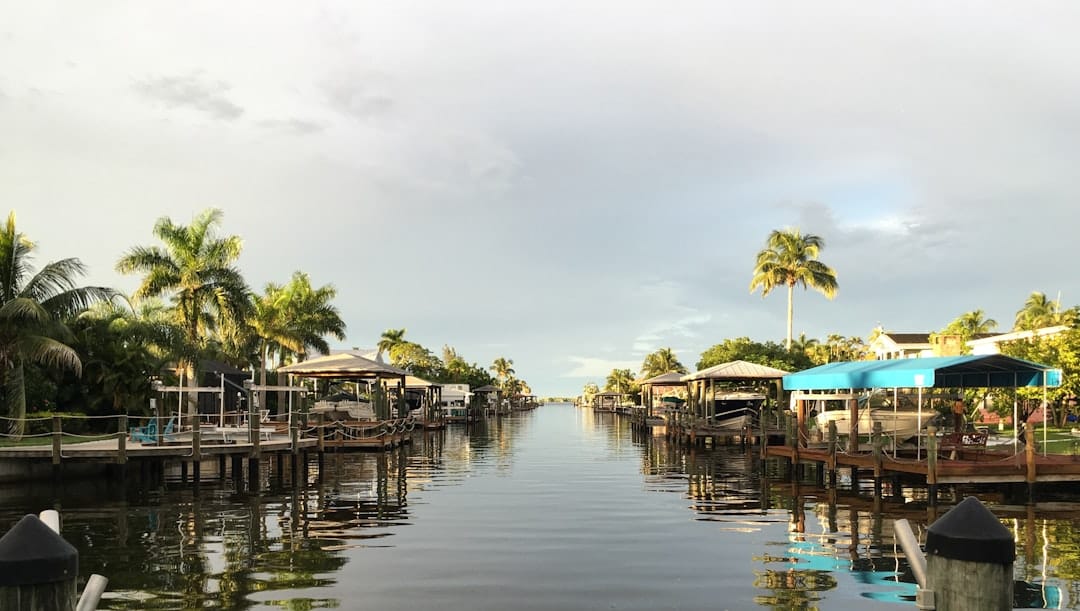
Most of Port Tampa City falls in FEMA Flood Zone AE — a 1% annual-chance zone where flood insurance is required on any federally backed mortgage — and parcels closest to open water can hit the higher-risk VE designation. Check every address on the FEMA flood map portal before you make an offer. Tampa Bay homeowners insurance already runs $3,285-$5,100 a year, and high-risk coastal flood policies can add $2,500 to $10,000-plus on top of that. A wind-mitigation inspection ($150-$300) can cut the wind portion 20-45% — get one. And note the new Citizens rule: policies with $400,000 or more in dwelling coverage must carry flood now, with lower-limit policies required to add it by January 1, 2027.
If you're buying from out of state, this is where the deal gets won or lost remotely. You can verify the flood zone, the tax history, and the BAH demand floor from your kitchen table — the FEMA portal, the property appraiser, and the DFAS rate table are all online. What you can't see from a thousand miles away is the block: whether the parcel sits in the low micro-pocket that floods in a summer storm, whether the pre-1960 bungalow has a soft roof deck or knob-and-tube behind the drywall, or how the street actually feels at 6 p.m. Pair the remote data with local boots — a thorough inspection, an elevation certificate, and someone who knows this peninsula — before you wire a deposit.
Beyond water, watch the housing stock and the cooling market. Many homes here are pre-1960 bungalows that hide roof, electrical, and plumbing surprises — get a thorough inspection and budget maintenance at the higher 8-10% end. The local market has also softened: Zillow's home value index for 33616 fell 3.0% in the year to August 2026. That's a buyer's edge, not a red flag — but don't assume a quick flip. One more line item to plan for: under FS 193.1554(5), a rental "shall be assessed at just value as of January 1 of the year following a change of ownership or control," so the bill resets after you buy, often well above the seller's homestead-capped figure. Check the history on the Hillsborough County Property Appraiser site so you budget the real number, not the seller's.
How does Port Tampa City compare to nearby areas?
Port Tampa City is the affordable corner of South Tampa. At a $408,593 typical value (Zillow, August 2026), it sits well below the broader South Tampa district, where Zillow's August 2026 index puts ZIP 33611 at $483,431 and Palma Ceia/Bayshore's 33629 at $1,036,817. You trade Hyde Park's polished walkability and top-rated school zone for a lower entry price and the same short commute to the base.
Against the wider MacDill AFB rental market, Port Tampa City is simply the closest piece of it — same BAH-backed demand, same SCRA rules, just nearer the gate and denser with renters. For an investor who wants military-grade demand stability at the lowest South Tampa price of entry, Port Tampa City is the pick. For premium tenant quality, the rest of South Tampa is the play.
Port Tampa City guides and resources
Port Tampa City rewards landlords who price to BAH, plan for the PCS calendar, and underwrite insurance honestly. Get those three right and a majority-renter neighborhood this close to MacDill is one of the steadier holds in Tampa. For the full submarket picture, see our South Tampa / MacDill investment guide, and for the wider metro, the Tampa rental market overview.
If you own one home in Port Tampa City — a place you relocated out of after a PCS, a house you inherited, a property you decided to keep — we can help you figure out what it should rent for and what it will actually net after taxes, insurance, and flood costs. We manage single rentals across South Tampa and know this peninsula block by block. We'll run a free rental analysis on your specific property and walk you through the numbers. No obligation.