

Tenant Made Unpermitted Modifications to My Florida Rental
Unauthorized painting, shelving, fixtures, structural changes. Lease clauses, FL permit requirements, liability, and restoration obligations.
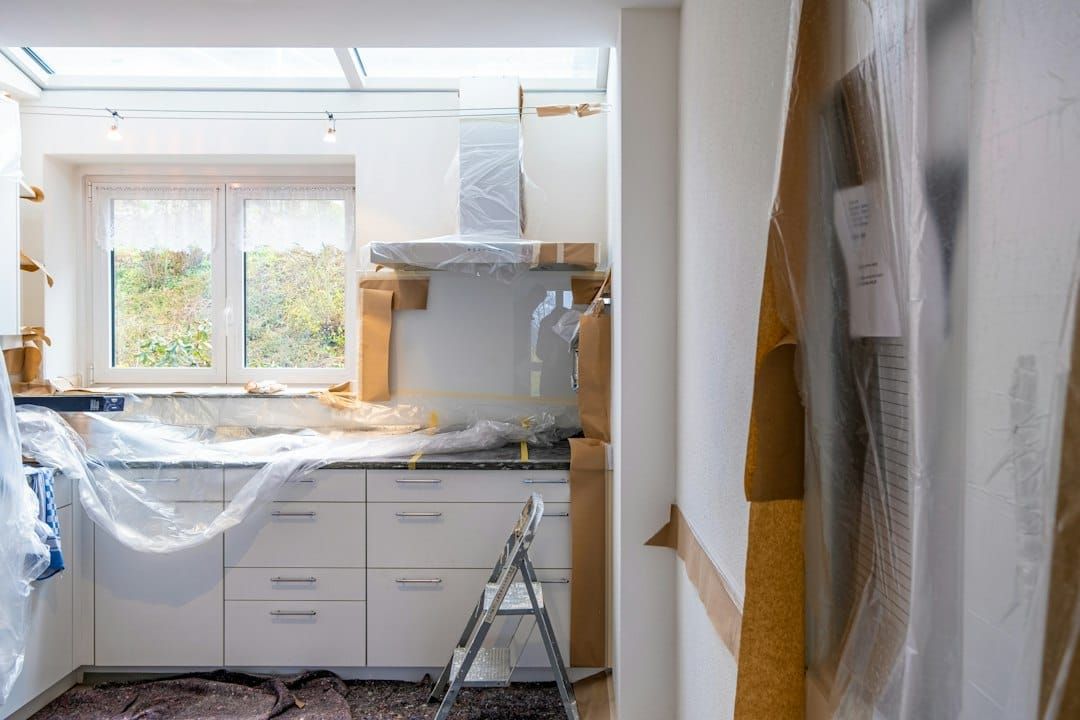
You do a walk-through and the walls are a different color. There are shelves bolted into the drywall. A satellite dish is mounted on the roof. Tenants sometimes make changes without asking. In Florida, unpermitted modifications can create liability and permit issues. Here's how to handle it.
What Counts as an Unpermitted Modification?
Any change to the property that the tenant makes without your written approval. Painting, installing shelving, changing light fixtures, adding a satellite dish, removing walls, altering plumbing or electrical. Some changes are cosmetic; others affect structure, safety, or permits. Florida and local jurisdictions require permits for electrical, plumbing, and structural work. If the tenant did that work without a permit, you may have code violations.
Lease Clauses That Protect You
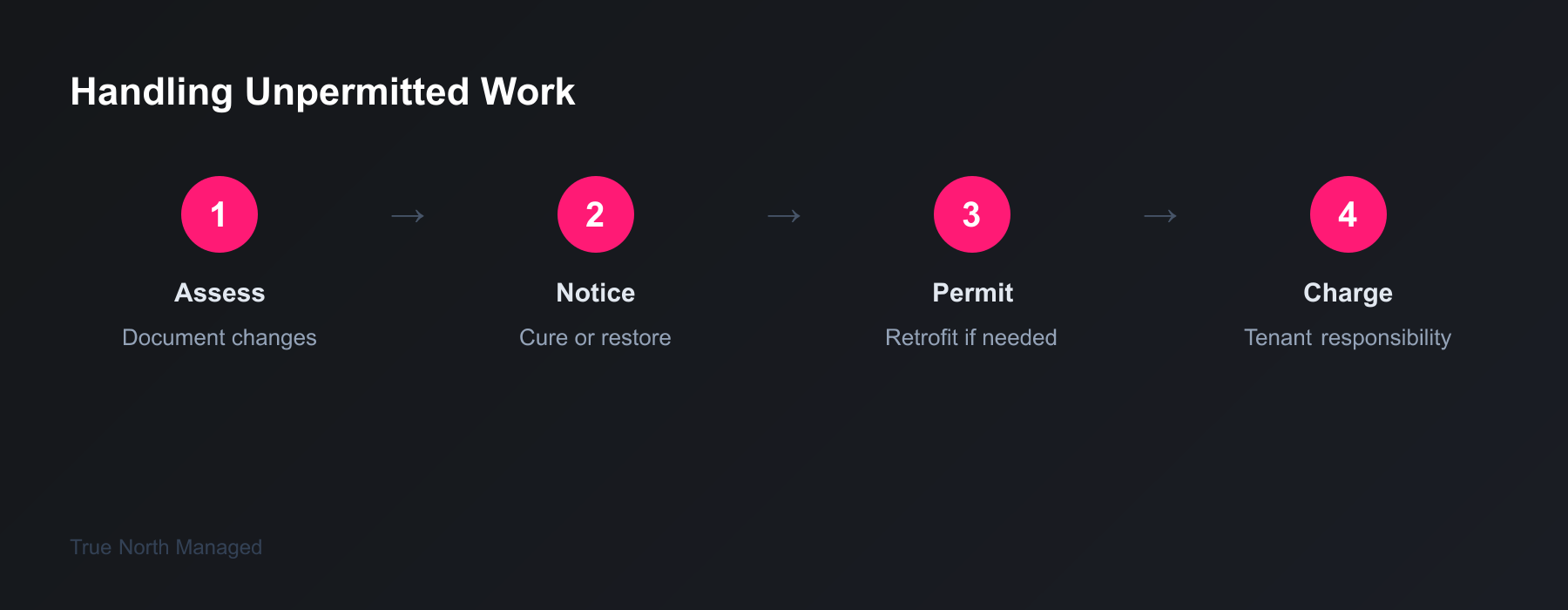
Include a clause in the lease prohibiting modifications without written consent. Require that any approved work be permitted and performed by licensed contractors. Standard language: no painting, no fixtures, no structural changes, no exterior modifications. Require approval in writing. If the tenant violates that, you have a lease violation. You can send a cure notice: restore the property to its prior condition or remove the modification. Florida Statute 83.52 outlines tenant obligations to maintain the premises; unauthorized alterations can breach that duty.
Permit Requirements and Liability
Unpermitted work can create problems when you sell or refinance. Appraisers and inspectors may flag it. If the work is unsafe, you could face liability. Check with your county building department. Some changes (replacing a light fixture with a similar one) may not need a permit; others (adding a bathroom, moving walls) do. When in doubt, assume it needs a permit and wasn't obtained.
Restoration Requirements
You can require the tenant to restore the property. That might mean repainting to the original color, removing shelves and patching holes, or hiring a licensed contractor to fix unpermitted work. Put it in writing. Give a deadline. If they don't comply, you may have grounds for a cure notice or lease termination. Document the condition with photos before and after.
When It's a Lease Violation
Unauthorized modifications are typically a lease violation. Send a cure notice. If the tenant refuses or the damage is big, you may terminate. For minor cosmetic changes, you might allow them to stay if they restore at move-out. For structural or permitted work, insist on remediation. Our guide on tenant property damage covers recovery; unpermitted work is a form of damage. See also right of entry for inspection access.
Unpermitted modifications are preventable with clear lease language and periodic inspections. Address them promptly to avoid permit and liability issues. If you're managing rentals in Orlando or Tampa, get a free rental analysis and we can review your lease and inspection process.
Permit Requirements
Structural changes, electrical work, plumbing, and HVAC modifications typically require permits. Tenants who make changes without permits can create liability for you. If the work is discovered during an inspection, the county can require removal or costly remediation. Check your county building department for local rules. Orlando and Tampa areas use Orange County and Hillsborough County permitting.
Restoration and Liability
If a tenant makes unpermitted modifications, your lease should require restoration at move-out. Document the condition at move-in and again when you discover the changes. You can deduct restoration costs from the security deposit if the lease allows it and you follow Florida security deposit law. If the modifications created code violations, you may need to remediate before re-renting.
Permit Lookup Process
County and city building departments keep permit records online. Search by address. Look for permits on any major work -- electrical, plumbing, HVAC, additions. If you find nothing for a finished garage or new bathroom, it may be unpermitted. Some jurisdictions have amnesty programs for bringing work into compliance.
Restoration Timeline
If you need to remove or correct unpermitted work, budget 2-8 weeks depending on scope. Permitting can add 2-4 weeks. A full kitchen or bath redo might take 6-8 weeks.
Contractor Selection
Use licensed contractors for permitted work. Verify their license on the DBPR website. Get three quotes. For structural or electrical, don't cut corners. Unpermitted repairs can haunt you at sale -- buyers and their lenders will ask.
Getting Back to Compliance
If the tenant added something without permission, you can require them to remove it or pay for removal. Put it in a 7-day notice. If they don't, you can evict for non-compliance. Document the before-and-after with photos.
Some modifications—like unpermitted electrical work—create liability. You may need to bring in a licensed contractor to fix it. You can deduct that from the security deposit if the lease allows it. Check Florida Statute 83.49 for the rules.
Recovering Costs
If the tenant caused damage or made unpermitted changes, you can deduct from the security deposit. Florida Statute 83.49(3)(a) says: "If the landlord intends to impose a claim on the deposit, the landlord must, within 30 days after the termination of the rental agreement, provide the tenant written notice by certified mail to the tenant's last known mailing address or by e-mail in accordance with s. 83.505 of his or her intention to impose a claim on the deposit and the reason for imposing the claim." In practice that's a certified letter (or email, if you and the tenant signed the e-delivery lease addendum under Florida Statute 83.505) giving the amount and the reason; keep your repair receipts as evidence in case the tenant objects.
If the deposit doesn't cover it, you can sue in small claims. The limit is $8,000 in Florida. Document everything—photos, invoices, the lease. The tenant can also sue you for improper withholding. Get it right.
Bottom Line
7-day notice to cure. Document with photos. Deduct from deposit if the lease allows. Send the claim notice within 30 days after the rental agreement terminates.