

Tenant Damaged My Rental Property: Recovery Steps for Florida Landlords
Walked into your rental and found serious damage? Here's how Florida landlords document, claim, and recover — from security deposit deductions to small claims court.
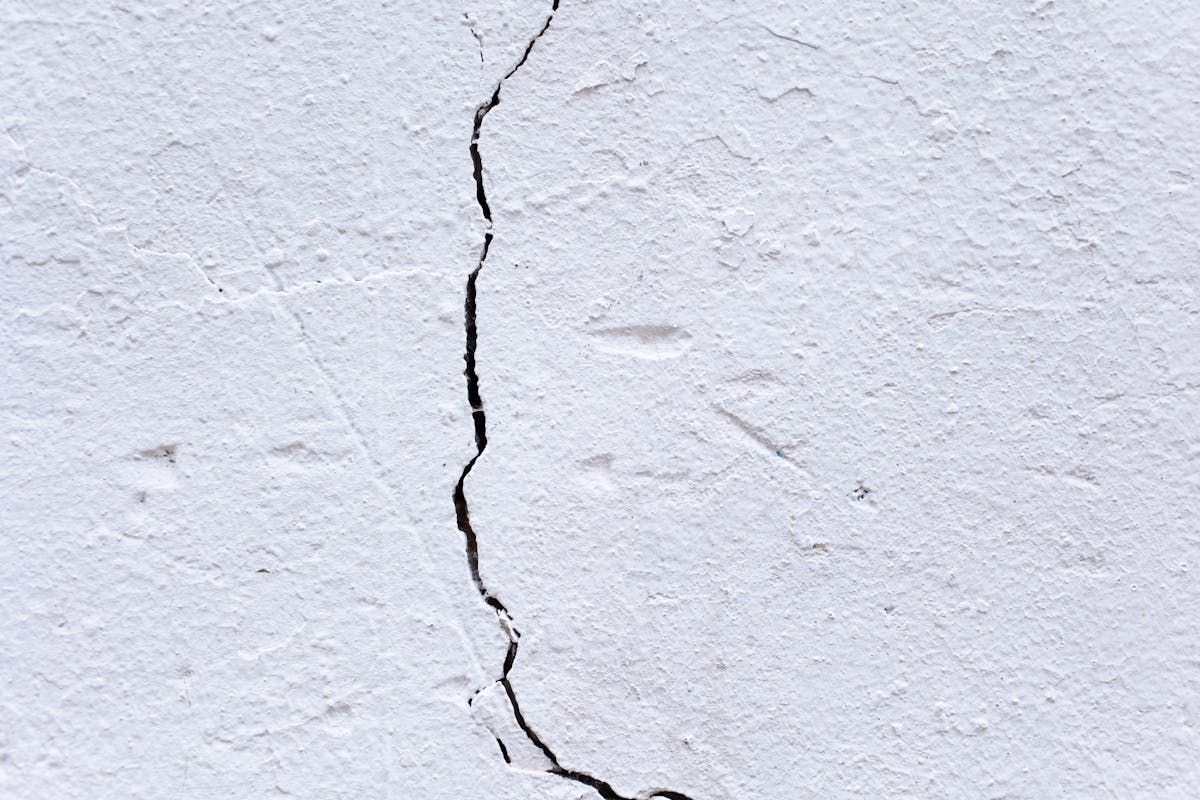
You walk into your rental after the tenant moves out, and the place is wrecked. Holes in walls, stained carpets, broken fixtures. Your stomach drops. Now what?
Quick Answer
Document everything before you touch anything. Take photos and video, get contractor estimates, and compare to your move-in records. Send the 30-day claim notice by certified mail under Florida Statute 83.49 — miss that deadline and you forfeit the right to impose a claim on the deposit. You'd have to return it, though you can still file an action for damages after returning it. If damage exceeds the deposit, you can sue in small claims (up to $8,000) or file a civil action. Landlord insurance may cover vandalism or intentional destruction; check your policy. Don't start repairs until you've documented the condition. See our unpermitted modifications tenants make for more.
What Florida Law Says About Tenant Damage
Florida doesn't define "normal wear and tear" in statute — courts use a fact-specific, commonsense test. Wear and tear is deterioration from ordinary use over time: faded paint, worn carpet in walkways, loose door hinges, small nail holes from picture frames. You can't deduct for that. Damage is negligence, misuse, or intentional harm: holes punched in walls, broken windows, burns or stains on carpet, appliances ruined by abuse. You can deduct for that.
Florida law distinguishes between intentional destruction and negligent damage. Both are chargeable — you can deduct from the deposit or sue for excess — but intentional destruction can also support eviction and injunctive relief under Florida Statute 83.681. Subsection (1) is specific: "A landlord who gives notice to a tenant of the landlord's intent to terminate the tenant's lease pursuant to s. 83.56(2)(a), due to the tenant's intentional destruction, damage, or misuse of the landlord's property may petition the county or circuit court for an injunction prohibiting the tenant from continuing to violate any of the provisions of that part." Subsection (3) adds: "Evidence of a tenant's intentional destruction, damage, or misuse of the landlord's property in an amount greater than twice the value of money deposited with the landlord pursuant to s. 83.49 or $300, whichever is greater, shall constitute irreparable harm for the purposes of injunctive relief." That threshold applies to an injunction; it isn't a threshold for recovering what the damage cost you. For most landlords, the practical path is the same: document, claim, and if needed, sue. The legal label matters more for eviction timing than for recovery.
Your Florida lease agreement should spell out move-out expectations — cleaning, key return, forwarding address. The clearer the lease, the easier it is to justify deductions when the tenant falls short. But even without perfect lease language, Florida law lets you claim for damage beyond wear and tear. You just have to follow the rules.
The 15-Day and 30-Day Rules
Under Florida Statute 83.49(3):
- No claim: Return the full deposit within 15 days after the rental agreement terminates.
- With a claim: Send written notice by certified mail to the tenant's last known mailing address (or by e-mail in accordance with s. 83.505) within 30 days after the rental agreement terminates. The notice must state "the reason for imposing the claim" and follow the statutory form, which includes the dollar amount and the warning about the tenant's 15-day objection period.
If you miss the 30-day deadline, the statute spells out the consequence: "If the landlord fails to give the required written notice within the 30-day period, he or she forfeits the right to impose a claim upon the security deposit and may not seek a setoff against the deposit but may file an action for damages after returning the security deposit to the tenant." In practice, you give the deposit back first and then sue for the damage. The deposit rules and the right to sue for excess damage are separate. Our Florida security deposit law guide covers the full timeline and claim letter requirements.
How to Document Tenant Damage for Court
If the tenant objects or you're suing for damage beyond the deposit, your documentation is everything. Courts want proof that the tenant caused the damage and that your repair costs are reasonable.
Photos and video. Walk every room. Take wide shots and close-ups. Include something for scale in close-ups (a coin, a ruler). Capture timestamps — store images in the cloud or email them to yourself so the date is preserved. A narrated walkthrough video is strong evidence. Compare to move-in photos from the same angles. If you didn't document move-in condition, you're at a disadvantage — start requiring it for future tenants. Our move-out inspection checklist guide walks through the room-by-room process.
Contractor estimates. Get at least two written estimates for repairs. Courts give more weight to paid invoices than estimates, but estimates still support your claim. Itemize: drywall repair, carpet replacement, fixture repair. If you're claiming depreciated value (e.g., a 10-year-old carpet), the estimate should reflect that — you can't charge full replacement cost for something past its useful life. A carpet with a 7-year life that was 5 years old at move-out leaves only 2 years of value; you charge for the damage to that remaining value, not for brand-new carpet.
Move-in vs. move-out comparison. Your move-in checklist (signed by the tenant) is the baseline. If the carpet had a stain at move-in, you can't charge for it at move-out. If the walls were freshly painted and now have holes, you can. The comparison is what makes your claim defensible.
What NOT to Do
Don't start repairs before documenting. Once you fix the damage, you lose the ability to show what it looked like. Document first, repair second.
Don't skip the 30-day notice. Even if the tenant already told you they're not disputing, send the notice. Regular mail isn't enough — certified mail (or email that complies with 83.505) is required. Miss the deadline and you lose the deposit claim.
Don't confuse wear with damage. Charging for faded paint, minor scuffs, or worn carpet in high-traffic areas will backfire. Tenants can object within 15 days and sue. Judges will side with tenants when landlords overreach. Stick to actual damage.
Don't deduct without itemizing. "Cleaning and repairs — $1,200" won't hold up. "Carpet cleaning per lease — $180; drywall repair (3 holes) — $340; replacement of broken ceiling fan — $95" will. Put each deduction and its reason in the notice.
Don't ignore the tenant's 15-day objection. If the tenant objects in writing within 15 days of receiving your notice, you can't just deduct and move on. You'll need to either negotiate or file in small claims. The tenant can also sue you for improper deductions. The burden of proof is on you — that's why documentation matters so much.
Tenant Defenses You'll Face
Tenants have several defenses. They'll argue wear and tear. They'll argue you missed the 30-day deadline or sent the notice by the wrong method. They'll argue your deductions aren't itemized. They'll request your move-in and move-out photos, repair invoices, and inspection reports. If you don't have them, your case weakens. Some tenants will also claim the damage was pre-existing — another reason move-in documentation is non-negotiable for future tenancies.
When to Escalate
Small Claims Court
If damage exceeds the deposit, you can sue. Florida small claims court handles claims up to $8,000 in principal damages (excluding costs and interest). Filing fees run about $75–$295 depending on the amount. The process is designed for self-representation: file a Statement of Claim with the county clerk, serve the tenant, attend a pretrial (often mediation), and if needed, go to trial. Send a demand letter first — many tenants pay when they see you're serious.
Landlord Insurance
Landlord insurance typically covers vandalism and intentional damage to the structure. It doesn't cover normal wear and tear or maintenance neglect. If the tenant intentionally destroyed property (graffiti, punched walls, ripped out fixtures), file a claim. Notify your insurer within 24–48 hours. Document before any repairs. Some policies exclude or limit tenant-caused damage — check your policy and ask your agent. If the damage is severe and the tenant has no assets, insurance may be your best path to recovery.
Law Enforcement
If the damage is intentional vandalism, theft, or criminal destruction, file a police report. It strengthens insurance claims and civil suits.
Property Manager or Attorney
If you're overwhelmed, a property manager can handle documentation, estimates, and the claim process. An attorney makes sense when the tenant has a lawyer, the amount is large, or you're unsure about procedure. Eviction attorneys often handle damage claims too.
The Statute of Limitations
You have four years from when the damage occurred (or when you discovered it) to file a lawsuit for property damage in Florida. Don't rush, but don't wait forever. The 30-day deposit notice deadline is separate — that one is strict.
Bottom Line
Document everything before you touch anything. Send the 30-day claim notice by certified mail. Itemize every deduction. Know the difference between wear and tear and damage. If the deposit doesn't cover it, small claims and insurance are your next steps. Get it right, and you protect your property and your rights. Get it wrong, and you forfeit your claim on the deposit and weaken any lawsuit.
Whether you're dealing with a one-time mess or a pattern of difficult tenants, having a clear process helps. If you'd like a second set of eyes on your documentation or help managing the recovery process, our free rental analysis includes a conversation about your property and your goals. We're here to help.