

Move-In Inspection Checklist for Florida Landlords
A proper move-in inspection protects your security deposit claims and prevents disputes. Here's the room-by-room checklist Florida landlords need.
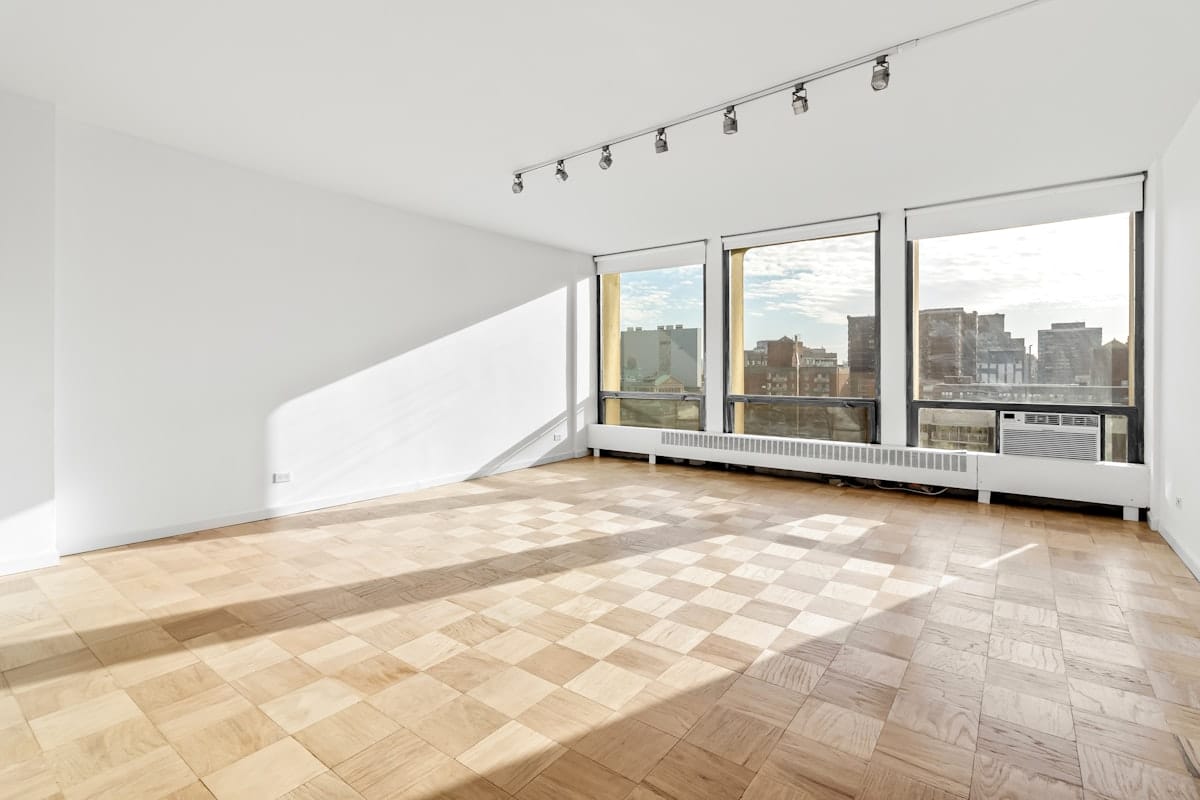
# Move-In Inspection Checklist for Florida Landlords. See our property inspection apps and tools for more.
Your new tenant signs the lease, hands over the security deposit, and moves in. Six months later, they move out — and suddenly you're arguing over whether that scratch on the kitchen floor was there before they arrived. Without a proper move-in inspection, you're guessing. And guessing costs you.
Quick answer: Florida doesn't require a state-mandated move-in inspection form, but you need one anyway. Under Florida Statute 83.49, you have 15 days to return the full deposit or 30 days to send a written, itemized claim by certified mail. If you can't prove pre-existing damage, you can't deduct for it. A room-by-room checklist with timestamped photos, signed by both you and the tenant, is your proof. Do it within 72 hours of move-in.
Here's the checklist Florida landlords actually use — and why each step matters.
Why the Move-In Inspection Protects You
Florida law doesn't define "normal wear and tear" in statute, but courts do. Faded paint from sunlight, worn carpet in high-traffic areas, small nail holes from picture hanging — that's wear and tear. You can't deduct for it. Pet urine stains, punched holes in walls, broken appliances from misuse — that's damage. You can deduct for that, but only if you can show it wasn't there at move-in.
The move-in inspection creates a baseline. When you do a move-out inspection, you compare. No baseline means no defense when a tenant disputes your deductions. Worse: if you miss the 30-day notice deadline under 83.49, you forfeit your right to keep any of the deposit. Documentation isn't optional. The Florida Department of Agriculture and Consumer Services (FDACS) provides a sample inspection checklist many landlords use — it's not required by law, but it's a solid starting point if you're building your own.
The Room-by-Room Checklist
Living areas. Check floors (hardwood, tile, carpet) for scratches, stains, warping, or tears. Note wall condition — paint chips, scuffs, holes. Test every light fixture and outlet. Inspect doors, hinges, locks, and door frames. Check windows for cracks, seals, and operable locks. Document ceiling condition and any water stains.
Kitchen. Test every appliance — stove, oven, refrigerator, dishwasher, garbage disposal. Note model numbers and serial numbers. Check cabinets and drawers for damage, missing hardware, or misalignment. Inspect countertops, sinks, and faucets. Test exhaust fan. Note any existing scratches or chips.
Bathrooms. Run each toilet, faucet, and shower. Check for leaks under sinks, around drains, and at tub/shower seals. Test exhaust fan. Inspect mirrors, vanity, and cabinet condition. Note any caulk, grout, or tile issues.
Bedrooms and closets. Same as living areas — floors, walls, ceiling, lights, outlets, doors, windows. Check closet rods, shelves, and doors.
Exterior and systems. Walk the perimeter. Check siding, gutters, outdoor fixtures. Test HVAC — run heat and AC, note filter condition. Document HVAC model and serial number. Check water heater, electrical panel. Note meter readings. In Florida, HVAC is a habitability issue — if it doesn't work at move-in, you're on the hook to fix it. Documenting that it ran properly protects you from "it never worked" claims later.
Safety equipment. Florida law requires working smoke detectors ( Florida Statute 553.883) and carbon monoxide detectors in homes with fuel-burning appliances or attached garages ( Florida Statute 553.885). Test each one. Document the test date and location.
What Counts as Normal Wear and Tear vs. Damage
Florida courts distinguish between deterioration from ordinary use and damage from negligence or abuse. You can't deduct for wear and tear; you can for damage. Document both at move-in so you know the baseline.
Wear and tear (not deductible): Faded paint from sunlight, loose door hinges from regular use, worn carpet in high-traffic areas, small nail holes from picture hanging, minor scuffs on walls, gradual discoloration of fixtures, worn countertops, faded window shades. These happen over time with normal living.
Damage (deductible): Large holes in walls, broken windows or appliances from misuse, pet urine stains or damage beyond typical shedding, significant carpet stains or burns, missing or intentionally damaged fixtures, smoke damage in non-smoking units, broken refrigerator shelves. These require tenant action or neglect.
The gray area. Some things are debatable — a few extra nail holes vs. dozens of holes. A small scuff vs. a gouge. Document what you see. "3 small nail holes, left wall, bedroom" gives you a baseline. At move-out, "12 nail holes, left wall, bedroom" supports a deduction for patching and paint. Specificity wins.
Documentation Best Practices
Timing. Complete the inspection within 72 hours of move-in. The tenant needs time to unpack and notice issues you might miss; 72 hours is the standard window.
Photos. Take timestamped photos of every room and every noted defect. Include a shot of the whole room and close-ups of damage. Store them in a cloud folder with the tenant's name and lease start date.
Signatures. Both you and the tenant sign and date the checklist. Give the tenant a copy. Keep a copy in your lease file. If you use a digital form, use an e-signature that captures the date.
Video. A short walk-through video can supplement photos — it captures context and flow. But it's not a substitute for a written checklist. You need line-item documentation for the security deposit claim if you ever deduct.
Storage. Keep the signed checklist and photos for at least 7 years. Florida's statute of limitations for contract claims is 5 years; keeping records longer protects you if a dispute surfaces late. Store digitally (cloud backup) and in your lease file.
Common Mistakes Florida Landlords Make
Skipping the inspection. "The tenant seemed fine" or "I'll remember it" — you won't. A year later, you're in small claims court with no proof.
Doing it alone. If the tenant isn't present, they can argue they never agreed to the condition. Always conduct the walk-through together. If the tenant can't attend, schedule a second time within 72 hours.
Vague notes. "Some wear" or "minor damage" doesn't hold up. "Small scuff on baseboard, 6 inches, left of bedroom door" does.
Not testing appliances. A tenant who claims the dishwasher never worked has a defense if you didn't document that it ran at move-in. Run every appliance during the walk-through. Note "Tested — all cycles operational" on the checklist. Ten minutes of testing can save you hundreds in disputed deductions.
Forgetting the safety equipment. Smoke and CO detectors are required. If they're missing or broken at move-in, you're liable. Document that they work.
How to Schedule the Inspection
Florida law requires at least 24 hours' notice before entering for repairs ( Florida Statute 83.53), and "reasonable notice" for inspections — typically 24 hours in practice. You can only enter between 7:30 a.m. and 8:00 p.m. Schedule the move-in inspection with the tenant at lease signing or within 72 hours of move-in. Send a written reminder: "Our move-in inspection is scheduled for [date] at [time]. Please be present. Bring a pen and your copy of the lease." If they can't make it, reschedule. Don't do it without them. A tenant who skips the inspection and later disputes deductions will argue they never agreed to the condition — your signature alone isn't enough.
Free Checklist Resources
You don't have to build from scratch. TurboTenant, RocketRent, and Think Realty offer free move-in/move-out checklist templates. Many include photo pages and comment fields. Customize for your property type — a 2-bed condo needs different items than a 4-bed house with a yard — but the structure is there. The key is using it every time.
How This Connects to the Rest of Your Process
The move-in inspection is the front end of your security deposit system. At move-out, you use the same checklist format to compare. If you're ever in a dispute over tenant damage, the move-in record is your evidence. And it all starts with a solid Florida lease agreement that spells out the inspection requirement and the tenant's obligation to participate.
Bottom line: A move-in inspection takes 30–45 minutes. It protects your security deposit claims, prevents disputes, and gives tenants confidence that you're fair. Do it every time, document everything, and keep it for 7 years. Your future self will thank you. And when move-out comes, you'll have the baseline you need to justify any deductions — or to return the full deposit with confidence that you've done right by a good tenant.
Want to see how your rental stacks up against the market? Get a free rental analysis — we'll review your property and show you what it could rent for.
What Tenants Miss
Tenants often skip the fine print. Document every scratch, ding, and stain. We use a room-by-room checklist with photos. Both parties sign. If a tenant disputes a charge at move-out, we pull the move-in doc.
Florida Statute 83.49(3)(a) requires you to provide a notice of rights. Include it in the packet. If you don't, you can lose the right to withhold from the deposit.