
Mold in My Florida Rental: What Landlords Are Required to Do
Found mold in your Florida rental? What landlords must legally do, the 7-day deadline, what remediation costs, and how to keep mold from coming back.
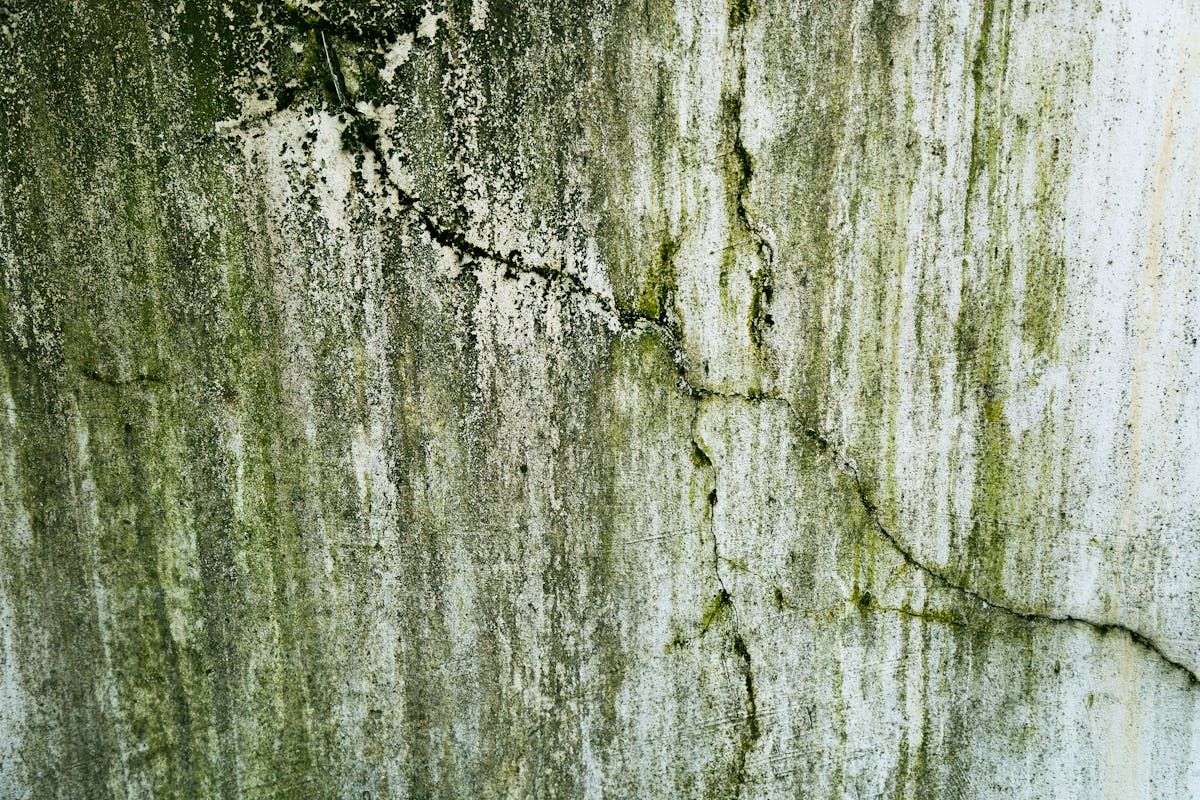
Your tenant just called — they found mold in the bathroom. Or worse, behind a wall. You're not sure if you're liable, what it'll cost, or what happens if you wait. Here's the short version: in Florida, mold is part of your habitability duty, and the clock starts the moment the tenant gives you written notice.
• Within 7 days of written notice: Fix the moisture source and the mold. The 7-day deadline is in Florida Statute 83.56(1); the duty itself is 83.51(1) (the landlord's habitability duty).
• First step always: Find and fix the moisture source — a leak, failed window seal, or an AC that isn't dehumidifying. Mold without moisture can't grow back.
• For mold over ~10 sq ft, or behind drywall, ducts, or HVAC: Hire a licensed mold assessor and remediator. Smaller surface mold you can often handle yourself.
• If a material problem isn't fixed in time: After proper notice, the tenant may terminate the lease (FS 83.56(1)) or raise your noncompliance as a defense in an eviction (FS 83.60). Document every step.
What does Florida law say about mold in rentals?
Florida has no dedicated mold statute. Mold falls under the implied warranty of habitability in Florida Statute 83.51 — the landlord's duty to keep the rental fit and habitable. Because mold comes from moisture, fixing leaks, controlling humidity, and maintaining the AC are all part of that duty.
Under 83.51(1), a Florida landlord must:
- Comply with building, housing, and health codes.
- Maintain roofs, windows, doors, plumbing, and structural components in good repair.
- Keep plumbing in reasonable working condition.
Mold ties into habitability because it almost always traces back to moisture — a leaking roof, bad plumbing, poor ventilation, or an AC system that doesn't control humidity. Your landlord responsibilities in Florida include addressing those sources.
If you don't, the tenant has remedies — but it's worth being precise about what they actually are, because Florida law is narrower than landlords often assume. After giving you proper written notice, if a material problem still isn't fixed 7 days later, the tenant may terminate the lease under Florida Statute 83.56(1), or raise your noncompliance as a defense in an eviction action under Florida Statute 83.60 — in which case the tenant must pay the disputed rent into the court registry and a judge decides any rent reduction. Florida does not have a "repair and deduct" statute, and a tenant who simply stops paying rent without going through this process is exposed to eviction. The takeaway for you: respond fast, and the question of remedies never comes up.
How fast do I have to respond to a mold complaint?
The 7-day clock comes from Florida Statute 83.56(1): "If the landlord materially fails to comply with s. 83.51(1) or material provisions of the rental agreement within 7 days after delivery of written notice by the tenant specifying the noncompliance and indicating the intention of the tenant to terminate the rental agreement by reason thereof, the tenant may terminate the rental agreement. If the failure to comply with s. 83.51(1) or material provisions of the rental agreement is due to causes beyond the control of the landlord and the landlord has made and continues to make every reasonable effort to correct the failure to comply, the rental agreement may be terminated or altered by the parties, as follows: (a) If the landlord's failure to comply renders the dwelling unit untenantable and the tenant vacates, the tenant shall not be liable for rent during the period the dwelling unit remains uninhabitable. (b) If the landlord's failure to comply does not render the dwelling unit untenantable and the tenant remains in occupancy, the rent for the period of noncompliance shall be reduced by an amount in proportion to the loss of rental value caused by the noncompliance." In plain terms, the 7 days are to fix a material problem, not just to start on it; steady effort only matters when the cause is genuinely beyond your control, and even then the tenant can stop owing rent or pay less. Waiting is what turns a maintenance issue into a lawsuit.
Move quickly for two reasons. First, the legal one: once 7 days pass and a material problem still isn't fixed, the tenant can terminate the lease or raise the issue as a defense if you try to collect rent. Second, the practical one — mold spreads. The EPA recommends drying any water-damaged area within 24 to 48 hours, because past that window mold takes hold. A $500 cleanup left alone for a month becomes a $5,000 remediation.
Minor surface mold on bathroom grout usually won't make a unit legally uninhabitable. Extensive mold in living areas, or mold tied to documented health problems, often will. The reliable way to keep a complaint from escalating is simple: acknowledge it in writing, fix it, and keep a record of what you did and when.
Who is responsible for mold — the landlord or the tenant?
The landlord is responsible when mold comes from a structural or maintenance failure — a leaking roof, a burst pipe, a failed window seal, or an AC that doesn't dehumidify. The tenant can be responsible when they caused the moisture: never running exhaust fans, blocking vents, ignoring filter changes the lease requires, or sitting on a leak they never reported.
The EPA's mold guide puts it plainly: moisture control is everything. If you didn't fix a leak or maintain the AC, the mold is yours. Florida Statute 83.52 requires tenants to keep the premises clean and sanitary — so if mold grew because a tenant left standing water, never ventilated, or neglected a duty the lease spells out, you may be able to charge remediation to them or deduct from the security deposit, with proper documentation and a 30-day itemized notice.
The genuine gray area is humidity. Florida's average relative humidity sits around 74%, and indoor humidity above 60% feeds mold. The AC is the main dehumidifier. An undersized, broken, or poorly maintained AC is on you. A tenant who never runs the AC, or keeps windows open through the rainy season, can shift some responsibility their way. The deciding factor is almost always documentation — so document everything.
A note on mold types, since tenants often ask. Stachybotrys (black mold) grows on water-damaged drywall and wood — slow but serious. Aspergillus and Cladosporium show up in HVAC systems, bathrooms, and window sills. Penicillium spreads fast after a roof leak. A little surface mold on tile grout from normal shower humidity is one thing; anything on drywall, behind walls, or in ductwork is another.
What should I not do about mold in my rental?
Don't ignore it, don't paint over it, don't blame the tenant without evidence, and don't skip a certified contractor on a large job. Each shortcut either makes the mold worse or weakens your position if the dispute reaches a courtroom.
Don't ignore it. Florida tenants have won six-figure judgments against landlords who let mold sit. The longer it stays, the worse and more expensive it gets.
Don't paint over it. Paint hides mold; it doesn't kill it. The CDC advises against painting over water-damaged or moldy surfaces. Remove and replace contaminated drywall, trim, or carpet. If you're unsure, get a professional assessment.
Don't blame the tenant without cause. If you intend to charge them or deduct from the deposit, you need evidence they caused the moisture — a lease clause requiring filter changes, or documentation that they never reported a leak. Without that, treat it as your problem until proven otherwise.
Don't skip certified contractors on big jobs. Florida doesn't license every mold job, but for work involving drywall removal or larger affected areas, use a licensed mold assessor and remediator. Your insurance may require it, and a tenant's attorney will ask why you didn't.
Should I handle mold myself or call a professional?
The EPA says a landlord can safely handle mold under about 10 square feet (roughly a 3-by-3 patch) when the surface is non-porous or removable, the moisture source is fixed, and no one in the household has asthma, allergies, or a compromised immune system. Anything bigger, hidden, or health-sensitive needs a professional.
Call a pro when:
- Mold covers 10 or more square feet.
- It's behind drywall, in ducts, or in the AC system.
- You can't find or fix the moisture source.
- Anyone in the household has a health vulnerability.
- The tenant has already threatened legal action.
Inspection and testing run $300–$1,000. Remediation runs $1,500–$6,000 for a typical residential job — averaging around $3,000–$4,500 — and $6,000–$15,000 or more for larger or HVAC-involved work. Bathroom-only mold often lands in the $500–$2,000 range; attic or duct mold can push $3,000–$10,000. Get at least two quotes, ask for references, and confirm the contractor is licensed.
Will insurance cover mold in a Florida rental?
Sometimes. Landlord insurance typically covers mold only when it results from a covered peril — a burst pipe, storm damage, an appliance overflow. It does not cover mold from neglected maintenance, chronic leaks, or poor ventilation. If you knew about a leak for months and didn't fix it, expect a denial.
Many policies put a separate, lower limit on mold remediation unless you carry a mold endorsement. In a humid, storm-prone state, that endorsement is worth asking about — our guide to Florida landlord insurance covers how mold coverage fits into the wider policy.
If you think you have coverage, file the claim quickly. Document the cause, take photos before any remediation begins, and talk to your carrier before tearing out drywall — most policies want you to mitigate further damage but also want to see the scene first.
How do I prevent mold in a Florida rental?
Florida's climate is built for mold, so prevention is moisture control: maintain the AC, fix leaks within 24–48 hours, keep bathrooms and kitchens ventilated, and hold indoor humidity under 60%. A preventive maintenance calendar keeps all four on schedule.
- AC maintenance: Replace filters every 30 days and schedule annual service. An oversized unit cools too fast to dehumidify — if the AC short-cycles, humidity stays high. Our guide to the Florida AC repair obligation covers what you must maintain once you've provided cooling.
- Fix leaks immediately. Roof, plumbing, windows — the EPA's 24-to-48-hour drying window is the rule.
- Ventilation: Bathrooms and kitchens need exhaust fans that vent outside. No fan? Install one, or require windows open during showers.
- Humidity: Keep indoor humidity under 60%, ideally 50% or lower. A $30 hygrometer tells you where you stand; a dehumidifier handles problem rooms.
For a season-by-season checklist, see our guide to seasonal maintenance for a Florida rental.
When should I call an attorney about mold?
Call a landlord-tenant attorney when a tenant formally threatens to withhold rent or sue, when you want to charge the tenant for remediation, when a tenant claims health harm from your alleged negligence, when an insurer denies your claim, or when a large remediation bill leaves the question of who pays unsettled.
- The tenant has sent a formal notice and is threatening to withhold rent or sue.
- You believe the tenant caused the mold and want to deduct from the deposit or charge them.
- The tenant has health issues and claims your negligence caused them.
- Your insurer denied the claim and you're disputing it.
- The remediation bill is large and responsibility is genuinely unclear.
Mold cases can get messy fast. A single consultation, often $200–$400, usually clarifies your exposure and your next step.
Mold in a Florida rental isn't optional to address — it's part of your habitability duty. Fix the problem, moisture source included, within 7 days of written notice, handle small surface mold yourself and call a pro for anything bigger or hidden, and document every step. If you own one rental and a mold call has you unsure whether you're liable, what it'll cost, or how fast you have to move, that uncertainty is normal — and it's exactly what a property manager handles. We manage single properties too, not just portfolios. A free rental analysis is a no-pressure way to see what your property could earn and how we'd handle problems like this one.