

Lease Renewal Strategy: When to Renew, When to Raise, When to Let Go
Lease expiring soon? Here's when to renew, how much to raise rent, and how to decide whether a tenant is worth keeping — with the numbers to back it up.
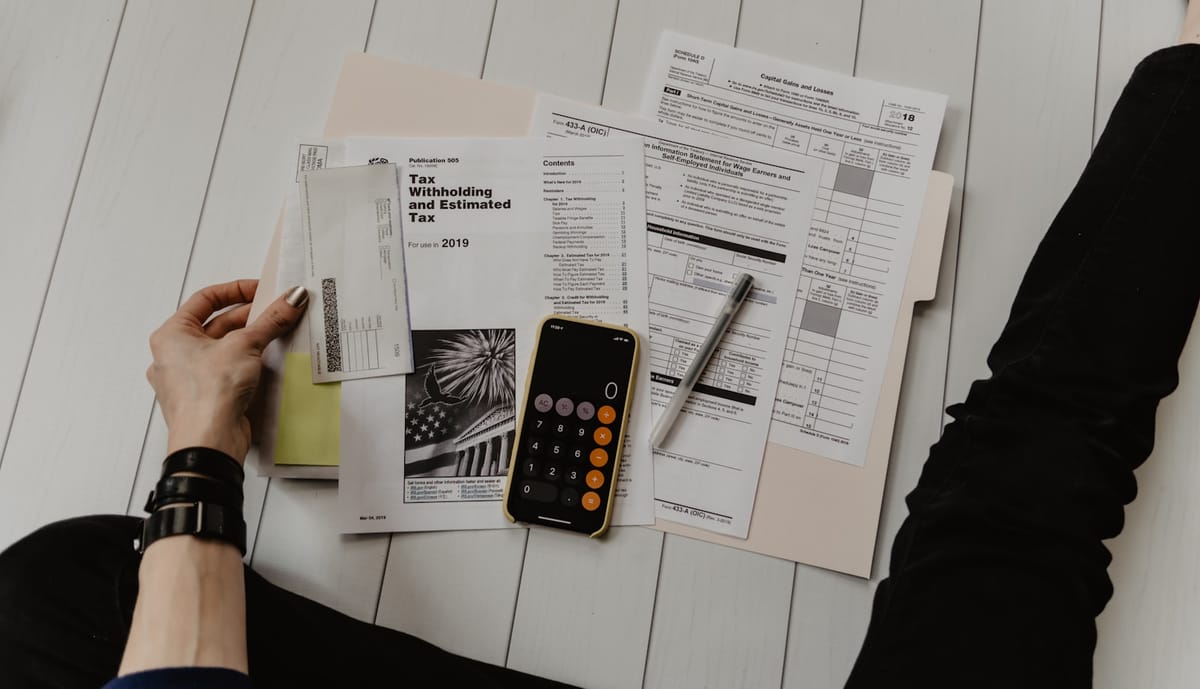
# Lease Renewal Strategy: When to Renew, When to Raise, When to Let Go. See our when to raise rent vs. when to hold for more.
Your tenant's lease is up in 60 days. Do you renew? Raise rent? Let it go month-to-month? And if you raise, how much? The wrong call costs you a good tenant or leaves money on the table.
Quick answer: Renew at lease expiration — it's the cleanest time to adjust terms. Send renewal notices 60–90 days before expiration so tenants have time to decide and you have time to re-lease if they leave. Raise rent 3–5% based on market comps — more if you're below market, less if the tenant's been ideal. Don't renew if they've been chronically late, damaged the property, or violated the lease repeatedly. Florida doesn't require a reason to non-renew a fixed-term lease, but you must give notice per your lease (typically 30–60 days).
Here's the framework.
When to Renew
The tenant pays on time. No late payments, no bounced checks, no chase-them-down months. That's worth something. A reliable tenant is cheaper than a vacancy and a new screening.
They take care of the property. No excessive damage, no lease violations, no complaints from neighbors. You're not dreading the move-out inspection.
They communicate. When something breaks, they tell you. They don't let small issues become big ones. They respond to your notices.
Market rent hasn't jumped. If you're already at or above market, a big increase isn't justified. A modest 3% bump keeps things fair and maintains the relationship.
Renew. Send the offer 60–90 days out. Give them time to sign or give notice. If they're on the fence, a multi-year lease with a capped annual increase (e.g., 3% max per year for 2 years) can lock them in.
When to Raise Rent
You're below market. Pull Orlando or Tampa comps. If similar units are renting for $100–$200 more, you've got room. Don't jump to market in one year — that feels like a shock. Raise 5–7% and plan another bump next renewal.
Costs have gone up. Property tax, insurance, HOA — if your expenses rose, rent can follow. Cite the numbers. "Property tax increased 12% this year; I'm raising rent 4% to offset part of that" is transparent and defensible.
Standard annual increase. 3–5% is the typical range. Inflation runs 2–3%; maintenance costs creep up. A 3% increase on $1,500 rent is $45/month — $540 over the year. It's reasonable, and most tenants expect it.
Timing matters. Spring and summer (March–August) are strong rental seasons. You have use. If the lease expires in winter (December–February), be more conservative — vacancy is harder to fill, and a tenant who leaves over a $50 increase costs you more than you'd gain.
How much is too much? Florida has no rent control. You can raise whatever the market will bear. But a 15% increase with no justification will feel punitive. Tenants will leave, and you'll spend a month vacant. 3–5% is the sweet spot for retention; 7–10% is aggressive but sometimes warranted if you're far below market.
When to Let Go
Chronic late payments. One late payment with a good excuse — fine. Three or four in a year — that's a pattern. You're spending time chasing rent instead of managing. Non-renew.
Lease violations. Unauthorized pets, extra occupants, noise complaints, parking violations. If you've sent a 7-day notice to cure and they've done it again within 12 months, Florida lets you terminate without another cure. Or you can simply not renew when the lease ends.
Property damage. Beyond normal wear and tear. You've documented it, they've been warned, and it's ongoing. Let the lease expire and don't offer renewal.
High maintenance. Every month it's something. Some of that is property age; some is tenant behavior. If the ratio of hassle to rent is wrong, non-renew.
You need the unit for yourself or a family member. Florida allows non-renewal for owner occupancy. Give proper notice per your lease.
You're selling. New owners may want to occupy or re-lease. Non-renew and coordinate with the sale.
You don't need to give a reason in Florida for a fixed-term lease. The lease ends; you choose not to renew. Give written notice 30–60 days before expiration (per your lease terms). If the lease has an automatic renewal clause, you must give notice within the required window or you're bound for another term.
The Notice Requirements
Fixed-term leases. Florida Statute 83.575 allows leases to specify 30–60 days' notice for non-renewal. Your lease controls. If it says 60 days, give 60 days. Miss the deadline and the lease may convert to month-to-month — and then you're under different rules.
Month-to-month. Either party can terminate with 15–30 days' notice (depends on statute — 83.57 vs 83.03). Check your lease and local practice.
Rent increase notice. Florida doesn't have a statewide rent increase notice period for annual leases. Best practice: 60 days for increases over 5%. Gives tenants time to budget or move.
Delivery. Written notice. Hand delivery, certified mail, or (if your lease allows) email per a signed addendum. Keep proof of delivery.
The Renewal Conversation
Put it in writing. A renewal letter or addendum: new term, new rent, new effective date. Both parties sign. No handshake deals.
Explain the increase. "Market rent for comparable units in your area is now $1,650. I'm offering renewal at $1,575 — a 5% increase — to reflect rising costs while keeping you below market." That's better than "rent's going up."
Offer options. "12-month lease at $1,575, or 24-month lease at $1,550 with a 3% cap on the next increase." Some tenants want stability. A longer lease at a slightly lower rate can work for both sides.
Set a deadline. "Please sign and return by [date] or notify me of your intent to vacate. If I don't hear from you by [date], I'll assume you're not renewing and will begin marketing the unit." Creates urgency without pressure.
Incentives for good tenants. If you have a star tenant — always pays on time, takes care of the place, never complains — consider a smaller increase or a longer lease at a locked rate. Retaining them is cheaper than turnover. A 2% increase and a 24-month lease can be more valuable than pushing for 5% and losing them in 12 months.
Common Mistakes Florida Landlords Make
Waiting until the last minute. You send the renewal 2 weeks before expiration. The tenant needs time to decide, find a new place, or get finances in order. 60–90 days is standard.
Raising rent without data. "I feel like I should get more" isn't a strategy. Pull comps. If you're at market, a 3% bump is plenty. If you're below, you can push harder — with numbers to back it up.
Renewing a problem tenant. You're tired of conflict, so you offer renewal. They'll keep being late, keep violating, keep costing you. Non-renew and start fresh.
Skipping the written agreement. "We'll just keep going" turns into a month-to-month tenancy with no clear terms. Always get a signed renewal.
Retaliating. If a tenant recently complained about repairs or reported code violations, don't non-renew or raise rent in response. Florida Statute 83.64 prohibits retaliation. Wait 6+ months, document legitimate reasons, and have a paper trail.
The Renewal Offer Letter Template
Here's what a renewal offer should include:
- Property address and tenant name
- Current rent and lease end date
- New rent and new term (e.g., 12 months at $1,575, effective 5/1/2027)
- Deadline to respond (e.g., "Please sign and return by 3/15 or notify us of your intent to vacate")
- How to accept (sign and return the addendum, or e-sign if you use a portal)
- What happens if they don't respond ("If we don't receive a signed renewal by 3/15, we will assume you're not renewing and will begin marketing the unit")
Keep it professional. No pressure. If they're a good tenant, the offer speaks for itself.
How This Connects to the Rest of Your Strategy
Renewal ties to rent increase notice — when and how you communicate the bump. It ties to month-to-month tenancy — what happens if you don't renew. It ties to your lease agreement — the document that defines notice periods and renewal terms. And it ties to market rent — the data that tells you how much to charge.
Bottom line: Renew good tenants, raise rent with data, and don't renew problem tenants. Give notice early, put everything in writing, and avoid retaliation. A clear renewal strategy keeps your units full and your income predictable.
Want to see where your rent stands against the market — and whether you're leaving money on the table? Get a free rental analysis.
Rent Increase Timing
Florida requires 60 days' notice for a rent increase over 5% or for non-renewal of a month-to-month. For fixed-term leases, you typically send renewal terms 60–90 days before expiration. That gives the tenant time to decide.
We've seen landlords lose good tenants by springing a 15% increase with 30 days' notice. Give them time. If you're raising rent, have the comps ready. A tenant who sees you're $200 below market is more likely to stay.