

Bed Bugs in My Florida Rental: Who Pays for Treatment?
Bed bugs in your Florida rental? Here is who pays for treatment, what Florida Statute 83.51 requires, and how to handle the landlord-tenant dispute.
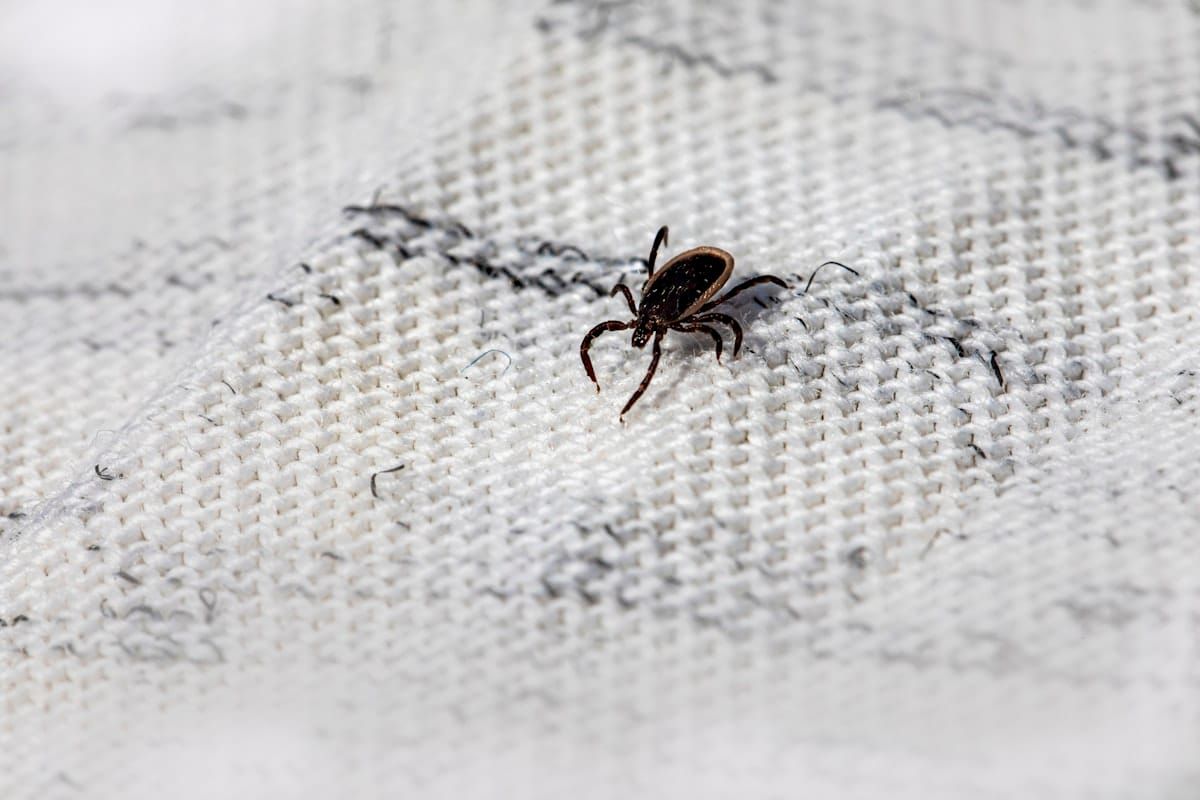
Your tenant calls at 10 p.m.: they've found bed bugs. They're panicked. You're wondering who pays for the $1,500 heat treatment — and whether you can charge them back. The answer depends on your property type, your lease, and Florida law.
Multi-unit building (apartment, condo, 3+ units): you pay for extermination. Florida Statute 83.51 makes it the landlord's duty "unless otherwise agreed in writing," and any duty a building, housing, or health code puts on you stays yours whatever the lease says.
Single-family home or duplex: the lease can assign pest control to the tenant in writing. If it does, they may pay; if it's silent, you pay.
If treatment in a multi-unit building requires the tenant to vacate: give at least 7 days' written notice, the tenant vacates for no more than 4 days, and you must abate the rent for that period.
Who pays for bed bug treatment in a Florida rental?
It depends on the property type. In a multi-unit building, the landlord pays — Florida Statute 83.51 requires it "unless otherwise agreed in writing," and a code-based duty can't be shifted to the tenant. In a single-family home or duplex, the lease controls: if it assigns pest control to the tenant, they may pay; if it's silent, the landlord pays. Tenant negligence can change the answer in either case.
- Multi-unit buildings (apartments, condos, 3+ units): You pay by default. Florida Statute 83.51 requires landlords to make reasonable provisions for bed bug extermination at all times during the tenancy. Only a written agreement shifts that, and never a duty a building, housing, or health code puts on you.
- Single-family homes and duplexes: Your lease can assign pest control responsibility to the tenant in writing. If it does, they may pay. If it doesn't, you're on the hook.
- Tenant negligence: If you can show the tenant brought the bed bugs in or failed to report them promptly, you may be able to charge them for treatment — even in a multi-unit building.
- Treatment costs: Chemical treatment runs $300–$700 per room (3–4 visits over two months). Heat treatment runs $1,500–$4,500 for a whole house. You pay for the treatment; in a multi-unit building, you don't have to cover hotel costs if the tenant must vacate.
Who handles bed bug infestations in a multi-unit building?
The landlord. For any dwelling that isn't a single-family home or duplex, Florida Statute 83.51(2)(a) says: "Unless otherwise agreed in writing, in addition to the requirements of subsection (1), the landlord of a dwelling unit other than a single-family home or duplex shall, at all times during the tenancy, make reasonable provisions for: 1. The extermination of rats, mice, roaches, ants, wood-destroying organisms, and bedbugs." So the duty is yours when the lease is silent, and only a written agreement moves it. Where a building, housing, or health code requires the treatment, that duty sits under 83.51(1), which says "The landlord's obligations under this subsection may be altered or modified in writing with respect to a single-family home or duplex." Outside a single-family home or duplex, that code duty can't be signed away. In a multi-unit building, bed bug treatment is on you by default.
And it usually can't stop at one unit. Bed bugs travel between apartments through wall voids, electrical outlets, and plumbing penetrations — research has shown they can move between units within about two weeks. When one unit is confirmed, you're responsible for inspecting and, where needed, treating the adjacent units (above, below, and on both sides). Treating a single unit while ignoring its neighbors is how a one-unit problem becomes a building-wide one.
For single-family homes and duplexes, the statute lets you modify the pest control obligation in writing. Many leases shift routine pest control to the tenant for these property types. But anything the lease doesn't shift in writing stays your duty — see our guide to landlord responsibilities in Florida.
How much does bed bug treatment cost in Florida?
Two main approaches, two price points. Chemical treatment runs roughly $300–$700 per room across 3–4 visits over two months. Heat treatment kills bugs and eggs in a single visit and runs about $1–$3 per square foot — $1,500–$4,500 for a typical single-family home. Heat costs more upfront but avoids repeat visits and re-infestation.
Chemical treatment is cheaper upfront but slower. Bed bug eggs resist pesticides, so it takes 3–4 visits over two months. A whole-house chemical program runs $1,000–$3,500. Clutter adds $100–$300 per room — tenants must declutter before treatment or it won't work.
Heat treatment kills bugs and eggs in one shot. Expect $1–$3 per square foot, so $1,500–$4,500 for a typical single-family home. It's more expensive but often more effective long-term — you avoid the repeat visits and the re-infestation risk.
In a multi-unit building, Florida Statute 83.51(2)(a)1 sets the rules when treatment means the tenant has to leave: "If the tenant must vacate the premises for such extermination, the landlord is not liable for damages but must abate the rent. The landlord must provide 7 days' written notice, in person, by mail, or by e-mail in accordance with s. 83.505, to the tenant if the tenant must temporarily vacate the premises for extermination pursuant to this subparagraph. A tenant is only required to vacate the premises for a period of time not to exceed 4 days." So you abate the rent for those days, but you don't owe the tenant a hotel or relocation costs. The tenant must follow prep instructions — washing and bagging linens, moving furniture — or treatment may fail. Document their cooperation.
How do you figure out who brought the bed bugs in?
This is the hardest question — and the one that drives most disputes. Bed bugs enter through luggage, used furniture, clothing, or travel from an adjacent unit. They squeeze through cracks as thin as a credit card. Proving origin comes down to timeline evidence: a licensed pest professional's infestation-age estimate, and your move-in inspection records.
Documenting origin. A licensed pest control professional can estimate how long an infestation has existed. If the bed bugs predate the tenant's lease, the tenant is off the hook. If the infestation started shortly after move-in or is confined to their unit, you have a stronger case that they introduced it. Ask your pest company for a written assessment that includes an estimated infestation age.
Move-in inspections. If you documented a bed bug-free unit at move-in and the tenant reports bugs six months later, you have evidence. If you skipped the inspection, you're on weaker ground. Use a checklist that explicitly notes "no visible bed bug activity," have the tenant sign it, and take photos of mattress seams, baseboards, and headboards as a baseline.
Tenant duties. Tenants must report bed bugs promptly in writing and keep their unit clean. Under Florida Statute 83.52, they must keep the premises they occupy "clean and sanitary." If they fail to report, refuse to cooperate with treatment, or their negligence clearly caused the infestation, you may be able to charge them — even in a multi-unit building. "Promptly" means within a few days of discovery, not months of silent suffering.
What should a Florida landlord NOT do about bed bugs?
Bed bug situations get worse fast when handled wrong. Avoid these:
Don't blame the tenant before you have evidence. The EPA's landlord guide on bed bugs warns that blaming tenants delays reporting and worsens infestations. A tenant who fears being charged will hide the problem until it spreads.
Don't delay treatment. The longer you wait, the worse it gets — and the more likely it spreads to adjacent units. When bed bugs are confirmed, treat the surrounding units too.
Don't use DIY treatments. Over-the-counter sprays often fail and can drive bed bugs deeper into walls. Hire a licensed pest control professional with documented bed bug experience.
Don't rent a unit with a known infestation. Florida doesn't require bed bug disclosure to prospective tenants, but you can't rent or advertise a unit you know is infested.
Don't skip a clear lease clause. For single-family homes and duplexes, your Florida lease agreement should spell out who handles pest control, require prompt written reporting, and outline prevention steps — so both sides know what's expected before a problem starts.
When should you escalate a bed bug dispute?
Most bed bug situations resolve with a pest company and clear communication. Escalate when:
The tenant refuses to cooperate. If they won't vacate for treatment, won't follow prep instructions, or block access, that's a lease violation. Document it — you may need a 7-day cure notice for noncompliance.
The tenant withholds rent. Withholding runs through Florida Statute 83.60(1)(b): "The defense of a material noncompliance with s. 83.51(1) may be raised by the tenant if 7 days have elapsed after the delivery of written notice by the tenant to the landlord, specifying the noncompliance and indicating the intention of the tenant not to pay rent by reason thereof." That defense reaches only your 83.51(1) duties, so an infestation supports it only if it amounts to a material failure of those code duties, and only after that notice and seven days. If they withhold without proper notice, they risk eviction. A lapse in the multi-unit extermination duty alone doesn't give them the defense; 83.51(2)(c) says "Nothing in this part authorizes the tenant to raise a noncompliance by the landlord with this subsection as a defense to an action for possession under s. 83.59." And 83.60(2) adds: "In an action by the landlord for possession of a dwelling unit, if the tenant interposes any defense other than payment, including, but not limited to, the defense of a defective 3-day notice, the tenant shall pay into the registry of the court the accrued rent as alleged in the complaint or as determined by the court and the rent that accrues during the pendency of the proceeding, when due." In other words, a tenant who fights your eviction on that ground has to pay the rent you claim (or the amount the court sets), and the rent as it comes due, into the court registry while the case runs. Never ignore a written notice.
You want to charge the tenant. If you believe the tenant caused the infestation, get a professional inspection report and document the timeline and their reporting history. Before deducting from the deposit or sending a bill, consult a landlord-tenant attorney. Charging without clear evidence can backfire — tenants can sue for wrongful deduction.
Bed bugs spread between units. If they reach adjacent units, you're responsible for treating all affected units. Coordinate a building-wide plan with your pest company. Our pest control responsibility guide breaks down Florida's full landlord-tenant split for roaches, termites, and other pests.
Does insurance cover bed bug treatment?
No. Standard renters insurance does not cover bed bug treatment, and landlord policies typically exclude pest infestations too — insurers treat them as maintenance, not a sudden covered loss. A few specialty carriers offer bed bug endorsements for short-term rentals, but those are rare for long-term residential. Plan on paying out of pocket.
How do you prevent bed bugs in a rental?
Prevention is far cheaper than treatment. Build pest inspections into your turnover routine — check between every tenant. Seal cracks, gaps, and openings. Keep common areas clean. And educate tenants: don't bring used mattresses or upholstered furniture without inspection, and report bites or suspicious spots immediately.
The EPA recommends integrated pest management: inspect promptly, involve tenants in prep, treat adjacent units when possible, and monitor after treatment. In a multi-unit building, when one unit has bed bugs, notify and inspect the units above, below, and on both sides — and document every unit you inspect and treat.
Frequently asked questions about bed bugs in Florida rentals
Who handles multi-unit bed bug infestations for landlords in Florida?
In a multi-unit building, the landlord handles and pays for bed bug extermination. Florida Statute 83.51 requires landlords of any dwelling that is not a single-family home or duplex to make reasonable provisions for bed bug extermination "unless otherwise agreed in writing," and no lease term moves a duty that a building, housing, or health code puts on the landlord.
Does the landlord or tenant pay for bed bug treatment in Florida?
In a multi-unit building, the landlord pays by default — Florida Statute 83.51 puts the duty on the landlord "unless otherwise agreed in writing," and code-based duties stay with the landlord either way. In a single-family home or duplex, the lease controls: it can assign pest control to the tenant in writing, but if the lease is silent the landlord pays.
Can a Florida landlord charge a tenant for bed bug treatment?
Sometimes. If you can show the tenant introduced the bed bugs or failed to report them promptly, you may be able to charge them — even in a multi-unit building. You need a professional inspection report and documented timeline evidence, and you should consult an attorney before deducting from the deposit.
How much does bed bug treatment cost in Florida?
Chemical treatment runs roughly $300–$700 per room across 3–4 visits over two months. Heat treatment runs about $1–$3 per square foot, or $1,500–$4,500 for a typical single-family home. Heat costs more upfront but treats the whole property in one visit.
Can a Florida landlord make a tenant leave during bed bug treatment?
Yes, with limits. In a multi-unit building, under Florida Statute 83.51(2)(a)1, the landlord must give at least 7 days' written notice, the tenant vacates for no more than 4 days, and the landlord must abate the rent for that period. The landlord is not required to pay for a hotel.
Does Florida law require landlords to disclose past bed bug treatment?
No. Florida does not require landlords to disclose past bed bug treatment to prospective tenants. However, a landlord cannot rent or advertise a unit they know is currently infested. Many landlords disclose recent treatment voluntarily to build trust and avoid later disputes.
Bed bugs are stressful for everyone. The law gives you clear rules — multi-unit means you pay by default; single-family can go either way depending on your lease. Document everything, act fast, and treat the problem before it spreads.
If you own one Florida rental and the thought of fielding a midnight bed bug call makes you want to hand the whole thing off, that's a fair reaction. We manage single Orlando and Tampa rentals — not just portfolios — and tenant crises like this are exactly what we handle. Get a free rental analysis and we'll show you what taking it off your plate would look like.