

Tenant Withholding Rent Over Repairs: Florida Landlord Response
Your tenant is withholding rent, claiming you haven't made repairs. Florida law has a specific process — and if they didn't follow it, you can still collect.
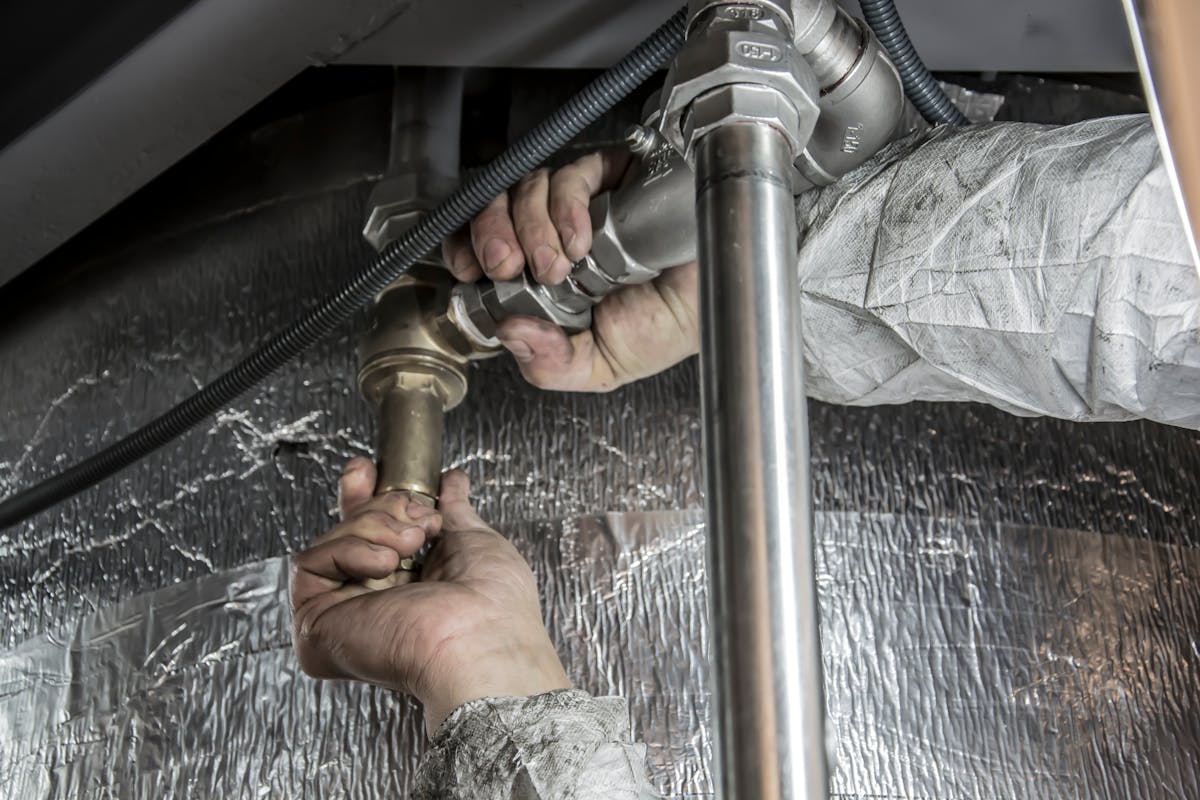
Your tenant stopped paying rent. They sent a letter saying the AC's been out for two weeks and they're withholding until you fix it. You're not sure if they're right, if they're bluffing, or if you can still evict. The mortgage is still due. You've got a vacant unit coming up and cash flow is tight. This is the kind of situation that keeps landlords up at night — and Florida law has specific rules that cut both ways.
Problem Statement
When a tenant withholds rent over repairs, you're stuck between two pressures: fix the problem (which costs money and time) or push back (which can backfire if they followed the law). The confusion comes from a simple fact: tenants *do* have a legal defense when you fail to maintain habitable housing, but most tenants don't follow the procedure. If they didn't, you can still collect — and evict. If they did, you need to fix the issue and document your response. The difference is in the details.
Quick Answer
Tenants can raise material noncompliance as a defense to eviction under Florida Statute 83.60 — but only if they (1) sent you written notice specifying the problem and their intent to withhold, (2) waited at least 7 days after delivery before withholding, and (3) deposit all accrued and accruing rent into the court registry within 5 business days of being served with your eviction complaint. If they skip any of those steps, their defense is waived and you can proceed with eviction. Even when the defense is valid, the court determines the rent reduction — not the tenant.
Florida Details: The Withholding Defense
What Tenants Must Do to Withhold Legally
Under Florida Statute 83.60 , a tenant raising material noncompliance as a defense must have: Delivered written notice to you (or your representative) specifying the noncompliance Stated their intention not to pay rent because of the noncompliance Waited at least 7 days after delivery before withholding The Florida Bar provides Form 4 — Notice from Tenant to Landlord: Withholding Rent for Failure to Maintain — which tenants often use. If they never sent you that notice, or sent it less than 7 days before the rent was due, they didn't follow the law. The Court Registry Trap (Where Most Tenants Lose) Here's the part many tenants miss. When you file an eviction for nonpayment, the tenant gets a summons. If they raise any defense other than "I already paid" — including the maintenance defense — they must deposit the disputed rent into the court registry within 5 business days of being served. That includes all past-due rent and rent that accrues during the case. If they don't deposit, or don't file a Motion to Determine Rent within that 5-day window, they automatically waive all defenses . You get a default judgment. No hearing. They're out. What Repairs Actually Justify Withholding? The defense only applies when you've materially failed to comply with Florida Statute 83.51(1) — your obligation to maintain the premises. That includes: Structural components (roof, windows, doors, floors, foundations) in good repair Plumbing in reasonable working condition For multi-unit buildings: heat, hot water, running water, pest extermination, locks, safe common areas, garbage removal A broken AC in a Florida summer can qualify if it's included in the lease and the unit becomes uninhabitable. A slow drain or a cracked tile usually doesn't. The court looks at whether the problem materially diminished the rental value — not whether the tenant was annoyed. Florida Does Not Allow Repair-and-Deduct Unlike some states, Florida does not let tenants pay for repairs themselves and deduct the cost from rent. Their options are: withhold (with proper procedure), terminate the lease after 7 days' notice, or sue for damages or injunctive relief. If they've already paid a handyman and are deducting from rent, that's not a legal defense — it's a breach. Common Tenant Claims That Usually Don't Qualify Not every complaint justifies withholding. Courts look at whether the issue materially diminished the rental value. These often *don't* qualify: Cosmetic issues — Peeling paint, worn carpet, outdated fixtures Minor inconveniences — A slow drain, a sticky window, a noisy neighbor Problems the tenant caused — Damage from misuse, failure to report a leak that led to mold Issues outside your control — Power outage from the utility, weather damage before you could respond Repairs in progress — You've scheduled the work; the contractor is coming next week If the tenant withholds over something that doesn't rise to material noncompliance, their defense is weak — but they still have to follow the 7-day notice and court registry rules. Many lose on procedure before the court ever gets to the merits. The 5-Business-Day Deadline When you file for eviction, the tenant is served with a summons. The clock starts then. They have 5 business days to either (1) deposit the full amount you claim into the court registry, or (2) file a Motion to Determine Rent if they dispute the amount. Saturdays, Sundays, and legal holidays don't count. If they miss the deadline, they waive every defense — including material noncompliance. No hearing. Default judgment. This is why so many withholding cases end in the landlord's favor: tenants don't know the rule, or they can't come up with the cash.
What NOT to Do
Don't Ignore the 7-Day Notice
If a tenant sends you a proper withholding notice, you have 7 days to cure. Use them. Schedule the repair, document the work, and get it done. Once you've fixed the issue, the defense no longer applies for that period. Ignoring the notice gives them a stronger case and makes you look bad in court. Don't Retaliate Florida Statute 83.64 prohibits retaliatory conduct. If a tenant exercises their rights — including sending a withholding notice — and you respond by raising rent, refusing to renew, or filing eviction for an unrelated reason, they can raise retaliation as a defense. Keep your response professional and repair-focused. Don't Skip the 3-Day Notice You still must serve a proper 3-day notice under Florida Statute 83.56 before filing for eviction. Include the exact amount owed, the property address, and the payment deadline. If your notice is defective, the case can be dismissed even when the tenant's withholding defense is weak. Don't Assume They'll Deposit Into Court Many tenants withhold rent without understanding the court registry rule. They think they're protected because the repair wasn't done. They're not. If they don't deposit within 5 business days of service, their defense is gone. Document your service date and watch the calendar.
When to Escalate
Call an eviction attorney when: The tenant claims they sent a 7-day notice but you never received it — you'll need to establish delivery and dates The repair is disputed (you say you fixed it; they say you didn't) — documentation and timelines matter The tenant has an attorney — contested evictions get complicated fast You're not sure whether the issue qualifies as material noncompliance — a quick consult can save you from a bad filing Consider a property manager when:
- You're out of state and can't coordinate repairs quickly
- You've had multiple maintenance disputes — a PM can document response times and create a paper trail
- You want someone who handles landlord responsibilities in Florida day to day so these situations don't escalate
Documentation That Defeats the Defense
Build your file from day one: Repair requests — Date received, what was reported, when you responded. Keep emails, texts, and voicemails. 7-day notice — Whether you received one, when, and what it said. If they claim they mailed it, check your records. Certified mail return receipts are gold. Repair completion — Invoices, photos, contractor notes. Before-and-after shots of the fix. 3-day notice — Proof of service, exact wording, amount claimed. A defective notice can sink your case even when the tenant's defense is weak. Eviction filing — Summons and complaint, date of service on tenant. The 5-day clock runs from service — document it. If the tenant never sent a proper 7-day notice, or sent it but didn't deposit into court, your documentation proves it. Judges see a lot of tenants who withhold without following the law. Your job is to show you did yours. A property manager with a maintenance log and documented response times has a huge advantage when these disputes hit court.
CTA
Rent withholding is stressful — you're losing income while the tenant stays. But Florida law gives you a clear path when tenants don't follow the procedure. Fix what you can, document everything, and if they're still not paying, the 3-day notice and eviction process is your remedy. If you'd rather focus on your day job and let someone else handle the tenant complaints , repairs, and nonpayment situations , a free rental analysis can show you what full-service management looks like for your property.
Repair and Deduct Limits
Florida doesn't have a formal repair-and-deduct statute. Tenants can't unilaterally withhold rent. They must follow the FL 83.56 process: written notice, 7 days to cure, then they can terminate or sue. They can't just stop paying. If they withhold, send a 3-day notice for non-payment. Don't let it drag. If they claim the unit is uninhabitable, get an inspection. Document the condition.