

Tenant Abandoned Property in Florida: The Step-by-Step Process
Your tenant left. Their stuff is still there. Florida law gives you a specific process—skip a step and you could owe three months rent in damages.
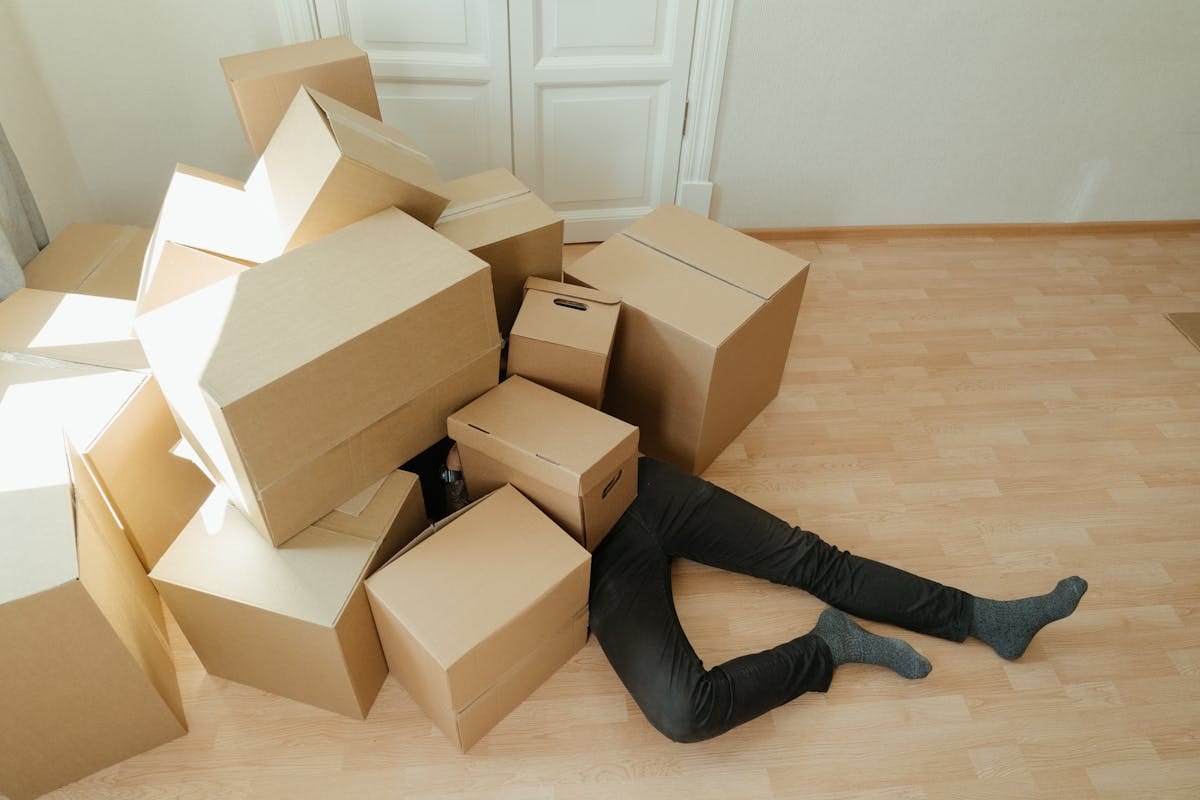
Your tenant hasn't been seen in three weeks. Rent's two months past due. The unit's full of furniture, clothes, and a TV—but no one's home. You want to re-rent the place. Can you just clear it out and move on?
Not without following Florida's rules. The law treats abandoned property in two phases: first, whether the unit is abandoned, and second, what to do with the stuff left behind. Skip either phase and you're exposed to liability of three months' rent or actual damages—whichever is greater—plus attorney's fees. Here's the step-by-step process that keeps you protected.
The Short Answer
You must meet Florida's presumption of abandonment (15 consecutive days absent, rent unpaid, no written notice of absence) before retaking the unit. Once the unit is yours, personal property left behind falls under Chapter 715: written notice with a 10- or 15-day claim period, then either keep/sell/destroy (if under $500) or public sale (if $500 or more). Follow the procedures exactly. The statute protects you when you do—and punishes you when you don't.
You must meet Florida's presumption of abandonment (15 consecutive days absent, rent unpaid, no written notice of absence) before retaking the unit. Once the unit is yours, personal property left behind falls under Chapter 715: written notice with a 10- or 15-day claim period, then either keep/sell/destroy (if under $500) or public sale (if $500 or more). Follow the procedures exactly. The statute protects you when you do—and punishes you when you don't.
Why This Matters in Orlando and Tampa
Abandonment happens more often than you'd think. Tenants relocate for jobs, break leases after a breakup, or simply walk away when they can't pay. In Orlando and Tampa, where median rents run $1,800–2,000/month, a vacant unit with someone else's belongings costs you real money every day. The urge to clear it fast is strong.
But Florida doesn't treat left-behind property as trash. Even damaged or low-value items are legally personal property until you've given proper notice and waited the required period. Florida Statute 715.104 spells out exactly what that notice must say and when you can act. Get it wrong, and a tenant who shows up six months later can sue—and win.
Your lease agreement can include a clause under FS 83.675 that limits your liability for storage and disposition. But that clause does not remove your obligation to follow Chapter 715. You still send the notice. You still wait. You still follow the value-based rules. The clause just caps your exposure if something goes sideways.
One more distinction: abandonment is not the same as early lease termination. A tenant who pays liquidated damages and moves out on a set date has surrendered the unit voluntarily. A tenant who stops paying, stops answering, and disappears has abandoned it. Both scenarios trigger Chapter 715 for whatever they leave behind—but the path to establishing that the unit is yours differs.
Abandonment happens more often than you'd think. Tenants relocate for jobs, break leases after a breakup, or simply walk away when they can't pay. In Orlando and Tampa, where median rents run $1,800–2,000/month, a vacant unit with someone else's belongings costs you real money every day. The urge to clear it fast is strong.
But Florida doesn't treat left-behind property as trash. Even damaged or low-value items are legally personal property until you've given proper notice and waited the required period. Florida Statute 715.104 spells out exactly what that notice must say and when you can act. Get it wrong, and a tenant who shows up six months later can sue—and win.
Your lease agreement can include a clause under FS 83.675 that limits your liability for storage and disposition. But that clause does not remove your obligation to follow Chapter 715. You still send the notice. You still wait. You still follow the value-based rules. The clause just caps your exposure if something goes sideways.
One more distinction: abandonment is not the same as early lease termination. A tenant who pays liquidated damages and moves out on a set date has surrendered the unit voluntarily. A tenant who stops paying, stops answering, and disappears has abandoned it. Both scenarios trigger Chapter 715 for whatever they leave behind—but the path to establishing that the unit is yours differs.
When is the unit abandoned?
Before you touch anything, you need to establish that the tenant has actually abandoned the dwelling. Florida Statute 83.59 creates a presumption of abandonment when all three conditions are met:
- Absence: The tenant has been gone for a period equal to half the rental period—typically 15 consecutive days for a monthly lease
- Rent unpaid: Rent is not current
- No written notice: The tenant hasn't told you in writing they'll be away
If all three are true, you may retake possession. You can also act sooner if you have actual knowledge of abandonment—for example, the tenant texts you "I'm out, not coming back." In that case, the 15-day clock isn't required.
Once abandonment is established, Florida Statute 83.595 gives you four remedies: terminate the lease and retake for your own account, relet for the tenant's account (they owe the difference), stand by and hold them liable for rent as it comes due, or use liquidated damages if your lease has a separate addendum (up to two months' rent). Choose the path that fits your situation—and document it.
If the tenant is still occupying the unit, this isn't abandonment. That's a holdover. Use the eviction process instead.
Before you touch anything, you need to establish that the tenant has actually abandoned the dwelling. Florida Statute 83.59 creates a presumption of abandonment when all three conditions are met:
- Absence: The tenant has been gone for a period equal to half the rental period—typically 15 consecutive days for a monthly lease
- Rent unpaid: Rent is not current
- No written notice: The tenant hasn't told you in writing they'll be away
If all three are true, you may retake possession. You can also act sooner if you have actual knowledge of abandonment—for example, the tenant texts you "I'm out, not coming back." In that case, the 15-day clock isn't required.
Once abandonment is established, Florida Statute 83.595 gives you four remedies: terminate the lease and retake for your own account, relet for the tenant's account (they owe the difference), stand by and hold them liable for rent as it comes due, or use liquidated damages if your lease has a separate addendum (up to two months' rent). Choose the path that fits your situation—and document it.
If the tenant is still occupying the unit, this isn't abandonment. That's a holdover. Use the eviction process instead.
What must the written notice say?
Chapter 715 kicks in once the tenancy has ended—whether by abandonment, eviction, surrender, or otherwise. The unit is vacated. The stuff remains.
Your written notice under FS 715.104 must go to the former tenant and anyone you reasonably believe owns the property. It must include:
- A description of the property adequate for the owner to identify it (locked boxes can be described as "locked trunk/box" without listing contents)
- A statement that reasonable storage costs is charged before return
- Where the property is claimed
- A deadline for claiming—not fewer than 10 days if you personally deliver the notice, or 15 days if you send it by first-class mail (from the date of deposit in the mail)
Send it to the tenant's last known address. If you have reason to believe that address won't reach them, send to any other known address too. FS 715.105 provides a statutory form that satisfies these requirements—use it or match it.
Chapter 715 kicks in once the tenancy has ended—whether by abandonment, eviction, surrender, or otherwise. The unit is vacated. The stuff remains.
Your written notice under FS 715.104 must go to the former tenant and anyone you reasonably believe owns the property. It must include:
- A description of the property adequate for the owner to identify it (locked boxes can be described as "locked trunk/box" without listing contents)
- A statement that reasonable storage costs is charged before return
- Where the property is claimed
- A deadline for claiming—not fewer than 10 days if you personally deliver the notice, or 15 days if you send it by first-class mail (from the date of deposit in the mail)
Send it to the tenant's last known address. If you have reason to believe that address won't reach them, send to any other known address too. FS 715.105 provides a statutory form that satisfies these requirements—use it or match it.
How long do you have to wait?
10 days if you personally delivered the notice. 15 days if you mailed it. Do not dispose of property before the deadline. Disposing too early creates liability—and Florida courts don't give credit for "close enough."
Document when and how you sent the notice. Certified mail return receipt or an affidavit of personal delivery protects you later. If a tenant claims they never got it, your records are your defense.
Practical tip: Take photos of the property before you move or store anything. Create an inventory—even a simple list—that supports your "adequate description" in the notice. If you're storing off-site, note where and at what cost. FS 715.111 protects landlords who follow procedures, but that protection doesn't extend to property you didn't properly describe. A locked safe can be "one locked safe, approximately 2 feet by 1.5 feet." A pile of boxes can be "approximately 12 cardboard boxes containing clothing, books, and household items." Specific enough to identify. You don't need to itemize every sock.
10 days if you personally delivered the notice. 15 days if you mailed it. Do not dispose of property before the deadline. Disposing too early creates liability—and Florida courts don't give credit for "close enough."
Document when and how you sent the notice. Certified mail return receipt or an affidavit of personal delivery protects you later. If a tenant claims they never got it, your records are your defense.
Practical tip: Take photos of the property before you move or store anything. Create an inventory—even a simple list—that supports your "adequate description" in the notice. If you're storing off-site, note where and at what cost. FS 715.111 protects landlords who follow procedures, but that protection doesn't extend to property you didn't properly describe. A locked safe can be "one locked safe, approximately 2 feet by 1.5 feet." A pile of boxes can be "approximately 12 cardboard boxes containing clothing, books, and household items." Specific enough to identify. You don't need to itemize every sock.
What happens after the waiting period?
The answer depends on the total value of the property left behind.
Under $500: After the notice period expires, you may keep, sell, or destroy the property in any manner. No public sale required. Your notice should have stated: "Because this property is believed to be worth less than $500, it is kept, sold, or destroyed without further notice if you fail to reclaim it within the time indicated above." (FS 715.106)
$500 or more: You must sell at public sale by competitive bidding. Florida Statute 715.109 requires:
- Notice published once a week for 2 consecutive weeks in a newspaper of general circulation where the sale will be held
- Sale at least 10 days after the first publication, with the last publication at least 5 days before the sale
- If no such newspaper exists, post notice in at least six conspicuous places in the neighborhood at least 10 days before sale
- Advertisement must include a description of the goods, the former tenant's name, and the time and place of sale
- Sale held at the nearest suitable place to where the property is stored
After the sale, deduct storage, advertising, and sale costs. Remaining proceeds go to the county treasury within 30 days—you don't keep them. The former tenant may claim those funds from the county within one year.
Estimating value can be tricky. Think resale value, not replacement cost. A five-year-old couch might have cost $800 new but sell for $150. A TV, a bed frame, some clothes—add it up conservatively. When in doubt, treat it as $500 or more and do the public sale. The extra paperwork beats a lawsuit.
The answer depends on the total value of the property left behind.
Under $500: After the notice period expires, you may keep, sell, or destroy the property in any manner. No public sale required. Your notice should have stated: "Because this property is believed to be worth less than $500, it is kept, sold, or destroyed without further notice if you fail to reclaim it within the time indicated above." (FS 715.106)
$500 or more: You must sell at public sale by competitive bidding. Florida Statute 715.109 requires:
- Notice published once a week for 2 consecutive weeks in a newspaper of general circulation where the sale will be held
- Sale at least 10 days after the first publication, with the last publication at least 5 days before the sale
- If no such newspaper exists, post notice in at least six conspicuous places in the neighborhood at least 10 days before sale
- Advertisement must include a description of the goods, the former tenant's name, and the time and place of sale
- Sale held at the nearest suitable place to where the property is stored
After the sale, deduct storage, advertising, and sale costs. Remaining proceeds go to the county treasury within 30 days—you don't keep them. The former tenant may claim those funds from the county within one year.
Estimating value can be tricky. Think resale value, not replacement cost. A five-year-old couch might have cost $800 new but sell for $150. A TV, a bed frame, some clothes—add it up conservatively. When in doubt, treat it as $500 or more and do the public sale. The extra paperwork beats a lawsuit.
What if the tenant claims the property before the deadline?
They can have it back—after paying reasonable storage and advertising costs. If you were heading toward a public sale, they may still claim by paying storage, advertising, and any sale costs incurred before withdrawal (FS 715.108).
Storage cost, when you store on-premises, equals the fair rental value of the space used (FS 715.111). You can't double-charge. Document your calculation.
They can have it back—after paying reasonable storage and advertising costs. If you were heading toward a public sale, they may still claim by paying storage, advertising, and any sale costs incurred before withdrawal (FS 715.108).
Storage cost, when you store on-premises, equals the fair rental value of the space used (FS 715.111). You can't double-charge. Document your calculation.
What about vehicles?
Cars and trucks left on your rental property fall under different rules. FS 715.07 and FS 713.78 govern towing from private property after tenancy ends. The personal property notice (715.104) may still apply to the vehicle itself—treat it as belongings. For vehicles specifically, consult an attorney. The statutes overlap and the practical steps differ from furniture and boxes.
Cars and trucks left on your rental property fall under different rules. FS 715.07 and FS 713.78 govern towing from private property after tenancy ends. The personal property notice (715.104) may still apply to the vehicle itself—treat it as belongings. For vehicles specifically, consult an attorney. The statutes overlap and the practical steps differ from furniture and boxes.
Three Mistakes That Get Florida Landlords in Trouble
1. Disposing before the deadline. The 10- or 15-day wait isn't a suggestion. Dump the couch on day 9 and you've violated Chapter 715. FS 715.111 limits your liability when you follow procedures—but only when you follow them. There's no safe harbor for "I thought they were gone for good."
2. Skipping or botching the notice. Vague descriptions ("miscellaneous household items") can void your protection. The notice must be adequate for the owner to identify the property. Use the statutory form or match its substance. Send it to every address you have. Document delivery.
3. Confusing abandonment with eviction. If your tenant is still living in the unit—mail piling up, car in the driveway, utilities on—they haven't abandoned. You can't use 83.59. You need a writ of possession from the court. Changing locks on an occupied unit is a self-help eviction, and that's illegal under FL 83.67. When in doubt, use the eviction process. When the unit is clearly vacated and you've met the 15-day presumption, then move to the personal property steps.
Bonus mistake: Treating the security deposit and abandoned property as the same thing. They're not. Your security deposit has its own 15- and 30-day rules under FS 83.49. Abandoned property has 10/15-day notice under Chapter 715. Handle each separately. If the tenant owes back rent and left stuff behind, you may have claims under both statutes—but the procedures don't merge.
1. Disposing before the deadline. The 10- or 15-day wait isn't a suggestion. Dump the couch on day 9 and you've violated Chapter 715. FS 715.111 limits your liability when you follow procedures—but only when you follow them. There's no safe harbor for "I thought they were gone for good."
2. Skipping or botching the notice. Vague descriptions ("miscellaneous household items") can void your protection. The notice must be adequate for the owner to identify the property. Use the statutory form or match its substance. Send it to every address you have. Document delivery.
3. Confusing abandonment with eviction. If your tenant is still living in the unit—mail piling up, car in the driveway, utilities on—they haven't abandoned. You can't use 83.59. You need a writ of possession from the court. Changing locks on an occupied unit is a self-help eviction, and that's illegal under FL 83.67. When in doubt, use the eviction process. When the unit is clearly vacated and you've met the 15-day presumption, then move to the personal property steps.
Bonus mistake: Treating the security deposit and abandoned property as the same thing. They're not. Your security deposit has its own 15- and 30-day rules under FS 83.49. Abandoned property has 10/15-day notice under Chapter 715. Handle each separately. If the tenant owes back rent and left stuff behind, you may have claims under both statutes—but the procedures don't merge.
How does this connect to early lease termination?
Tenants who leave mid-lease often leave stuff behind. If your tenant gave notice and moved out under your early lease termination provisions—liquidated damages paid, or rent liability until re-rented—the unit is surrendered. Chapter 715 applies to whatever they left. Same notice. Same timelines. Same value thresholds.
The difference is intent: an early terminator planned to leave. An abandoner just vanished. Either way, the personal property rules are the same.
Tenants who leave mid-lease often leave stuff behind. If your tenant gave notice and moved out under your early lease termination provisions—liquidated damages paid, or rent liability until re-rented—the unit is surrendered. Chapter 715 applies to whatever they left. Same notice. Same timelines. Same value thresholds.
The difference is intent: an early terminator planned to leave. An abandoner just vanished. Either way, the personal property rules are the same.
Next Steps
Abandoned property is frustrating. You've lost rent, you've got a unit to turn, and the law makes you wait and send paperwork before you can clear it. But the process exists to protect both sides. Tenants who were in the hospital or deployed deserve a chance to reclaim their belongings. Landlords who follow the steps get liability protection under FS 715.111.
Document everything: photos of the unit and items, your notice and proof of delivery, storage cost calculations, and (if you held a public sale) proof of publication and payment to the county. A lease clause under FS 83.675 can limit your exposure—but it doesn't replace the procedures. Know your landlord responsibilities under Florida law, and when you're handling a security deposit at move-out, keep that process separate from abandoned property. They're different statutes, different timelines, different rules.
If you're dealing with an abandoned unit right now—or you want someone who handles this systematically so you don't have to—we can help. We've managed hundreds of turnovers across Orlando and Tampa and know exactly how to document, notify, and dispose within the law.
Abandoned property is frustrating. You've lost rent, you've got a unit to turn, and the law makes you wait and send paperwork before you can clear it. But the process exists to protect both sides. Tenants who were in the hospital or deployed deserve a chance to reclaim their belongings. Landlords who follow the steps get liability protection under FS 715.111.
Document everything: photos of the unit and items, your notice and proof of delivery, storage cost calculations, and (if you held a public sale) proof of publication and payment to the county. A lease clause under FS 83.675 can limit your exposure—but it doesn't replace the procedures. Know your landlord responsibilities under Florida law, and when you're handling a security deposit at move-out, keep that process separate from abandoned property. They're different statutes, different timelines, different rules.
If you're dealing with an abandoned unit right now—or you want someone who handles this systematically so you don't have to—we can help. We've managed hundreds of turnovers across Orlando and Tampa and know exactly how to document, notify, and dispose within the law.