

Tenant Won't Let Me In for Repairs: Florida Right of Entry Rules
Your tenant won't let you in for repairs. Florida gives landlords access rights — but with rules. Here's what the law says and how to handle refusal.
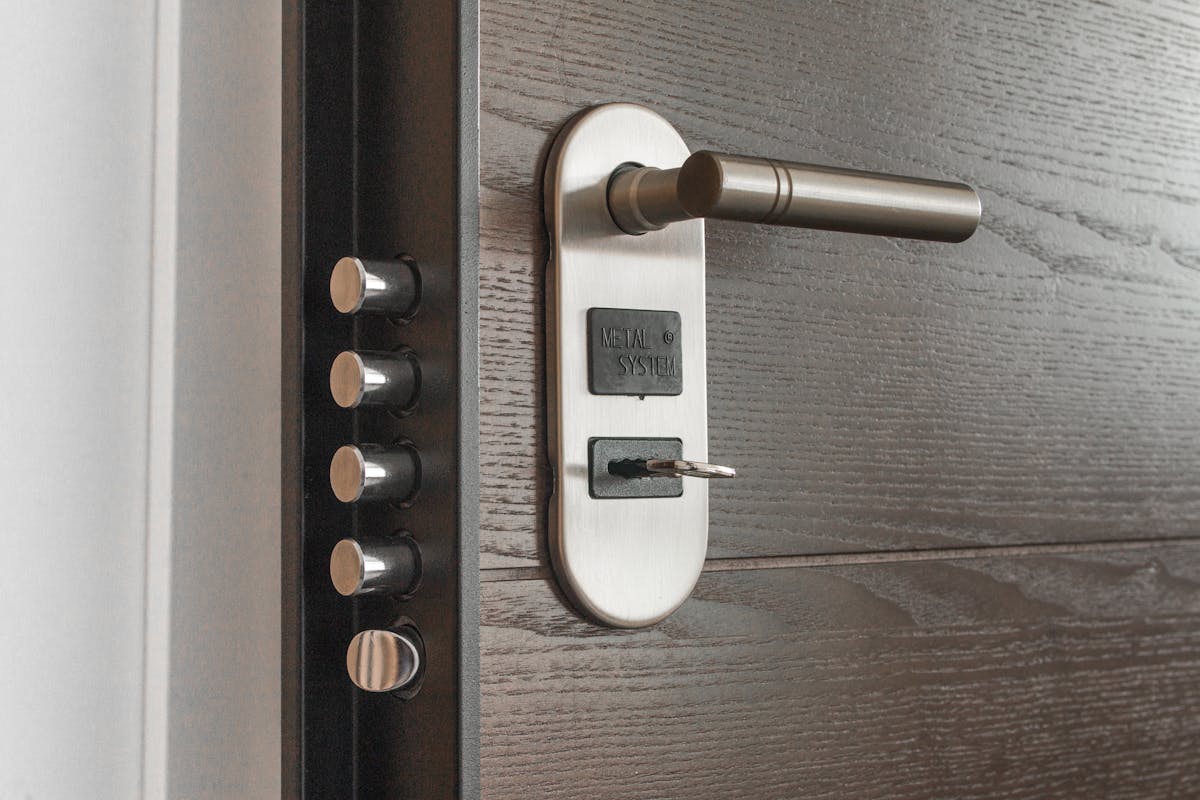
Your tenant won't let you in. The AC's been out for a week, you've sent three notices, and they're not answering the door. You know you're supposed to fix it — Florida Statute 83.51 requires you to maintain habitability — but you can't get inside. The repair request is sitting there, the clock is ticking, and you're stuck. Here's what Florida law actually says about your right of entry and what to do when a tenant blocks access.
Quick Answer
- You have a right to enter for repairs, inspections, and showings — but you must follow the rules. Florida Statute 83.53 governs landlord access.
- 24-hour notice is required for repairs and inspections (effective July 1, 2022; previously 12 hours). Entry must occur between 7:30 a.m. and 8:00 p.m. — no exceptions for convenience.
- No notice needed for emergencies (fire, flood, gas leak, immediate threat to safety or property) or when the tenant unreasonably withholds consent after proper notice.
- Tenants can't unreasonably refuse. If they do, serve a 7-day notice to cure for lease noncompliance. If they don't fix it, you can terminate and evict.
- Document everything. Every notice, every refusal, every attempt. You'll need it if this goes to court.
- You have a right to enter for repairs, inspections, and showings — but you must follow the rules. Florida Statute 83.53 governs landlord access.
- 24-hour notice is required for repairs and inspections (effective July 1, 2022; previously 12 hours). Entry must occur between 7:30 a.m. and 8:00 p.m. — no exceptions for convenience.
- No notice needed for emergencies (fire, flood, gas leak, immediate threat to safety or property) or when the tenant unreasonably withholds consent after proper notice.
- Tenants can't unreasonably refuse. If they do, serve a 7-day notice to cure for lease noncompliance. If they don't fix it, you can terminate and evict.
- Document everything. Every notice, every refusal, every attempt. You'll need it if this goes to court.
What Does Florida Statute 83.53 Say About Landlord Entry?
Florida gives you specific rights to enter the dwelling unit. The statute lists permissible reasons: inspect the premises, make necessary or agreed repairs, supply agreed services, or exhibit the unit to prospective purchasers, mortgagees, tenants, workers, or contractors. Your landlord responsibilities in Florida include keeping the property habitable — and you can't do that if you can't get in.
The key is reasonable notice. For repairs and inspections, Florida law now requires at least 24 hours before entry. That change took effect July 1, 2022. Before that, 12 hours was the standard. Some sources still cite 12 hours — use 24 to stay safe. Notice can be verbal or written, but written is smarter. Include the date, time, reason for entry, and who will be there (you, a contractor, an inspector). Email, text, or a posted notice on the door all count if the tenant receives it.
Entry must occur at a reasonable time — defined in the statute as between 7:30 a.m. and 8:00 p.m. You can't show up at 6 a.m. or 9 p.m. even with notice. That window protects tenant privacy and gives you a clear legal standard.
Florida gives you specific rights to enter the dwelling unit. The statute lists permissible reasons: inspect the premises, make necessary or agreed repairs, supply agreed services, or exhibit the unit to prospective purchasers, mortgagees, tenants, workers, or contractors. Your landlord responsibilities in Florida include keeping the property habitable — and you can't do that if you can't get in.
The key is reasonable notice. For repairs and inspections, Florida law now requires at least 24 hours before entry. That change took effect July 1, 2022. Before that, 12 hours was the standard. Some sources still cite 12 hours — use 24 to stay safe. Notice can be verbal or written, but written is smarter. Include the date, time, reason for entry, and who will be there (you, a contractor, an inspector). Email, text, or a posted notice on the door all count if the tenant receives it.
Entry must occur at a reasonable time — defined in the statute as between 7:30 a.m. and 8:00 p.m. You can't show up at 6 a.m. or 9 p.m. even with notice. That window protects tenant privacy and gives you a clear legal standard.
When Can You Enter Without Notice?
You don't always need 24 hours. Florida allows entry without notice in three situations:
1. Emergency. Fire, flood, gas leak, hurricane damage, burst pipe, structural collapse — anything that threatens safety or the property. If water is pouring through the ceiling or you smell gas, you can enter immediately. Document the emergency with photos and a brief note. Don't abuse this. "I wanted to check on things" isn't an emergency.
2. Tenant unreasonably withholds consent. If you've given proper 24-hour notice, stated a valid reason (repairs, inspection, showing), and the tenant refuses without a legitimate reason, the statute says you may enter. "I don't want you here" isn't a legitimate reason when you're fixing a broken AC. But be careful. If the tenant claims they never got notice or the time was unreasonable, you're in a dispute. Document that you gave notice and attempted entry. If they physically block you, don't force your way in — that can escalate. Move to the 7-day cure notice instead.
3. Tenant absent for half the rental period. If the tenant has been gone for 15+ days (for a monthly lease), rent is not current, and they didn't notify you of their absence, you may presume abandonment and enter. If rent *is* current or they told you they'd be away, you still need notice. This exception is narrow — use it only when you're confident the unit is abandoned.
You don't always need 24 hours. Florida allows entry without notice in three situations:
1. Emergency. Fire, flood, gas leak, hurricane damage, burst pipe, structural collapse — anything that threatens safety or the property. If water is pouring through the ceiling or you smell gas, you can enter immediately. Document the emergency with photos and a brief note. Don't abuse this. "I wanted to check on things" isn't an emergency.
2. Tenant unreasonably withholds consent. If you've given proper 24-hour notice, stated a valid reason (repairs, inspection, showing), and the tenant refuses without a legitimate reason, the statute says you may enter. "I don't want you here" isn't a legitimate reason when you're fixing a broken AC. But be careful. If the tenant claims they never got notice or the time was unreasonable, you're in a dispute. Document that you gave notice and attempted entry. If they physically block you, don't force your way in — that can escalate. Move to the 7-day cure notice instead.
3. Tenant absent for half the rental period. If the tenant has been gone for 15+ days (for a monthly lease), rent is not current, and they didn't notify you of their absence, you may presume abandonment and enter. If rent *is* current or they told you they'd be away, you still need notice. This exception is narrow — use it only when you're confident the unit is abandoned.
What If the Tenant Refuses Access?
Refusal after proper notice is a lease violation. Florida tenants cannot unreasonably withhold consent to lawful entry. Your Florida lease agreement should spell out access rights and tie them to the statute — that strengthens your position.
Step 1: Document. Log every notice (date, time, method, content), every attempt to enter (date, time, who was there), and every refusal (what the tenant said or did). Take photos of posted notices. Save emails and texts. If you have a witness — a contractor, another tenant — note that.
Step 2: Serve a 7-day notice to cure. Use Florida's standard form for noncompliance (other than nonpayment). Cite the lease provision and Florida Statute 83.53. State that the tenant must allow access within 7 days or the lease will terminate. Deliver it by hand, posting, or mail per Florida Statute 83.56(4).
Step 3: Attempt access again. If they allow access within the 7 days, you're good. Complete the repair and move on. If they refuse again, you've established a pattern. The lease terminates at the end of the 7 days. If they don't vacate, file for eviction.
Step 4: Don't waive your rights. If you let repeated refusals slide, a court may decide you've waived the right to enforce. Be consistent. Follow through.
One caution: if the tenant is refusing access *while* requesting repairs, they is setting up a habitability defense — "the landlord never fixed it because they couldn't get in." Document that you tried. Your preventive maintenance calendar helps avoid crises, but when a tenant blocks access, your paper trail is what protects you.
Lease Clauses That Help
Your Florida lease agreement can reinforce your access rights. A solid access clause should reference Florida Statute 83.53, state that you'll provide 24-hour notice for non-emergency entry, and list valid reasons (repairs, inspections, showings). It should also state that unreasonable refusal is a lease violation subject to the 7-day cure process. Don't use language that goes beyond the statute — you can't contract away tenant rights — but you can make the rules clear so both sides know what's expected.
Refusal after proper notice is a lease violation. Florida tenants cannot unreasonably withhold consent to lawful entry. Your Florida lease agreement should spell out access rights and tie them to the statute — that strengthens your position.
Step 1: Document. Log every notice (date, time, method, content), every attempt to enter (date, time, who was there), and every refusal (what the tenant said or did). Take photos of posted notices. Save emails and texts. If you have a witness — a contractor, another tenant — note that.
Step 2: Serve a 7-day notice to cure. Use Florida's standard form for noncompliance (other than nonpayment). Cite the lease provision and Florida Statute 83.53. State that the tenant must allow access within 7 days or the lease will terminate. Deliver it by hand, posting, or mail per Florida Statute 83.56(4).
Step 3: Attempt access again. If they allow access within the 7 days, you're good. Complete the repair and move on. If they refuse again, you've established a pattern. The lease terminates at the end of the 7 days. If they don't vacate, file for eviction.
Step 4: Don't waive your rights. If you let repeated refusals slide, a court may decide you've waived the right to enforce. Be consistent. Follow through.
One caution: if the tenant is refusing access *while* requesting repairs, they is setting up a habitability defense — "the landlord never fixed it because they couldn't get in." Document that you tried. Your preventive maintenance calendar helps avoid crises, but when a tenant blocks access, your paper trail is what protects you.
Lease Clauses That Help
Your Florida lease agreement can reinforce your access rights. A solid access clause should reference Florida Statute 83.53, state that you'll provide 24-hour notice for non-emergency entry, and list valid reasons (repairs, inspections, showings). It should also state that unreasonable refusal is a lease violation subject to the 7-day cure process. Don't use language that goes beyond the statute — you can't contract away tenant rights — but you can make the rules clear so both sides know what's expected.
What NOT to Do
Don't enter without notice for non-emergencies. Even if the tenant said "come anytime," give 24 hours for repairs and inspections. Verbal permission can be disputed. Written notice is proof.
Don't change the locks to "teach them a lesson." That's self-help eviction — illegal under Florida Statute 83.67. Penalties: up to three months' rent plus attorney fees. Only the sheriff can remove a tenant after a court order.
Don't force your way in. If the tenant is physically blocking the door, back off. Document the refusal and use the 7-day cure process. Forcing entry can lead to assault claims or escalation you don't want.
Don't skip the repair because they're difficult. You still owe habitability. If the AC is out and you can't get in, document your attempts. Our AC repair obligation guide covers what you must maintain. A tenant who blocks access and then withholds rent for "uninhabitable conditions" is in a weak position — but only if you've documented that you tried.
Don't enter without notice for non-emergencies. Even if the tenant said "come anytime," give 24 hours for repairs and inspections. Verbal permission can be disputed. Written notice is proof.
Don't change the locks to "teach them a lesson." That's self-help eviction — illegal under Florida Statute 83.67. Penalties: up to three months' rent plus attorney fees. Only the sheriff can remove a tenant after a court order.
Don't force your way in. If the tenant is physically blocking the door, back off. Document the refusal and use the 7-day cure process. Forcing entry can lead to assault claims or escalation you don't want.
Don't skip the repair because they're difficult. You still owe habitability. If the AC is out and you can't get in, document your attempts. Our AC repair obligation guide covers what you must maintain. A tenant who blocks access and then withholds rent for "uninhabitable conditions" is in a weak position — but only if you've documented that you tried.
When to Escalate
If the tenant continues refusing after the 7-day cure and you've terminated the lease, file for eviction. An eviction attorney can help with the complaint and court process. Uncontested evictions typically run 3–4 weeks in Florida; contested cases take longer.
If the repair is urgent — mold, no AC in summer, no hot water — and the tenant won't let you in, consider whether the refusal is strategic (e.g., rent dispute, lease-break attempt). Document everything. sometimes, a court may order the tenant to allow access or face consequences. An attorney can advise on your county's procedures.
If the tenant continues refusing after the 7-day cure and you've terminated the lease, file for eviction. An eviction attorney can help with the complaint and court process. Uncontested evictions typically run 3–4 weeks in Florida; contested cases take longer.
If the repair is urgent — mold, no AC in summer, no hot water — and the tenant won't let you in, consider whether the refusal is strategic (e.g., rent dispute, lease-break attempt). Document everything. sometimes, a court may order the tenant to allow access or face consequences. An attorney can advise on your county's procedures.
Bottom Line
Florida gives you the right to enter for repairs, inspections, and showings. Follow the 24-hour notice rule, stick to 7:30 a.m.–8:00 p.m., and document every step. When a tenant refuses, use the 7-day cure notice. Don't force entry. Don't retaliate. Stay in the process, and you'll either get the repair done or establish the grounds for eviction.
If you're managing Orlando or Tampa rentals and want help staying ahead of maintenance — and avoiding access disputes — our free rental analysis includes a review of your property's condition and a maintenance plan that fits your situation.
Under FL 83.53(2), you need 12 hours' notice for non-emergency entry. We send a text and an email—both timestamp—so there's no dispute. If the tenant refuses access for a legitimate reason (repair, inspection), document it. Repeated refusal can support a 7-day notice for noncompliance.
Florida gives you the right to enter for repairs, inspections, and showings. Follow the 24-hour notice rule, stick to 7:30 a.m.–8:00 p.m., and document every step. When a tenant refuses, use the 7-day cure notice. Don't force entry. Don't retaliate. Stay in the process, and you'll either get the repair done or establish the grounds for eviction.
If you're managing Orlando or Tampa rentals and want help staying ahead of maintenance — and avoiding access disputes — our free rental analysis includes a review of your property's condition and a maintenance plan that fits your situation.
Under FL 83.53(2), you need 12 hours' notice for non-emergency entry. We send a text and an email—both timestamp—so there's no dispute. If the tenant refuses access for a legitimate reason (repair, inspection), document it. Repeated refusal can support a 7-day notice for noncompliance.
Florida Statute 83.53(2) is clear: you need "reasonable notice" before entering—usually 12–24 hours in writing. Exceptions: emergencies (fire, flood, gas leak, imminent danger), tenant abandonment, or when the tenant consents. "Reasonable" isn't defined—courts have upheld 12 hours as sufficient. We document every entry attempt with a dated notice or email.
If the tenant refuses entry for a legitimate repair, you can send a 7-day notice to cure. If they don't comply, that's grounds for termination. But don't escalate unless the repair is necessary. A tenant who won't let you in for a non-urgent HVAC filter change is different from one blocking emergency plumbing work.
Florida Statute 83.53(2) is clear: you need "reasonable notice" before entering—usually 12–24 hours in writing. Exceptions: emergencies (fire, flood, gas leak, imminent danger), tenant abandonment, or when the tenant consents. "Reasonable" isn't defined—courts have upheld 12 hours as sufficient. We document every entry attempt with a dated notice or email.
If the tenant refuses entry for a legitimate repair, you can send a 7-day notice to cure. If they don't comply, that's grounds for termination. But don't escalate unless the repair is necessary. A tenant who won't let you in for a non-urgent HVAC filter change is different from one blocking emergency plumbing work.
If you own a rental in Orlando or Tampa and want a clear picture of what it could earn, get a free rental analysis. No obligation—just real numbers.