

From DIY Disaster to $2,475/Month: A Carrollwood Landlord's Turnaround
A Tampa homeowner's self-managed rental lost $12,000 in 8 months. Here's how professional management turned the same property into $2,475/month with a qualified tenant in 19 days.
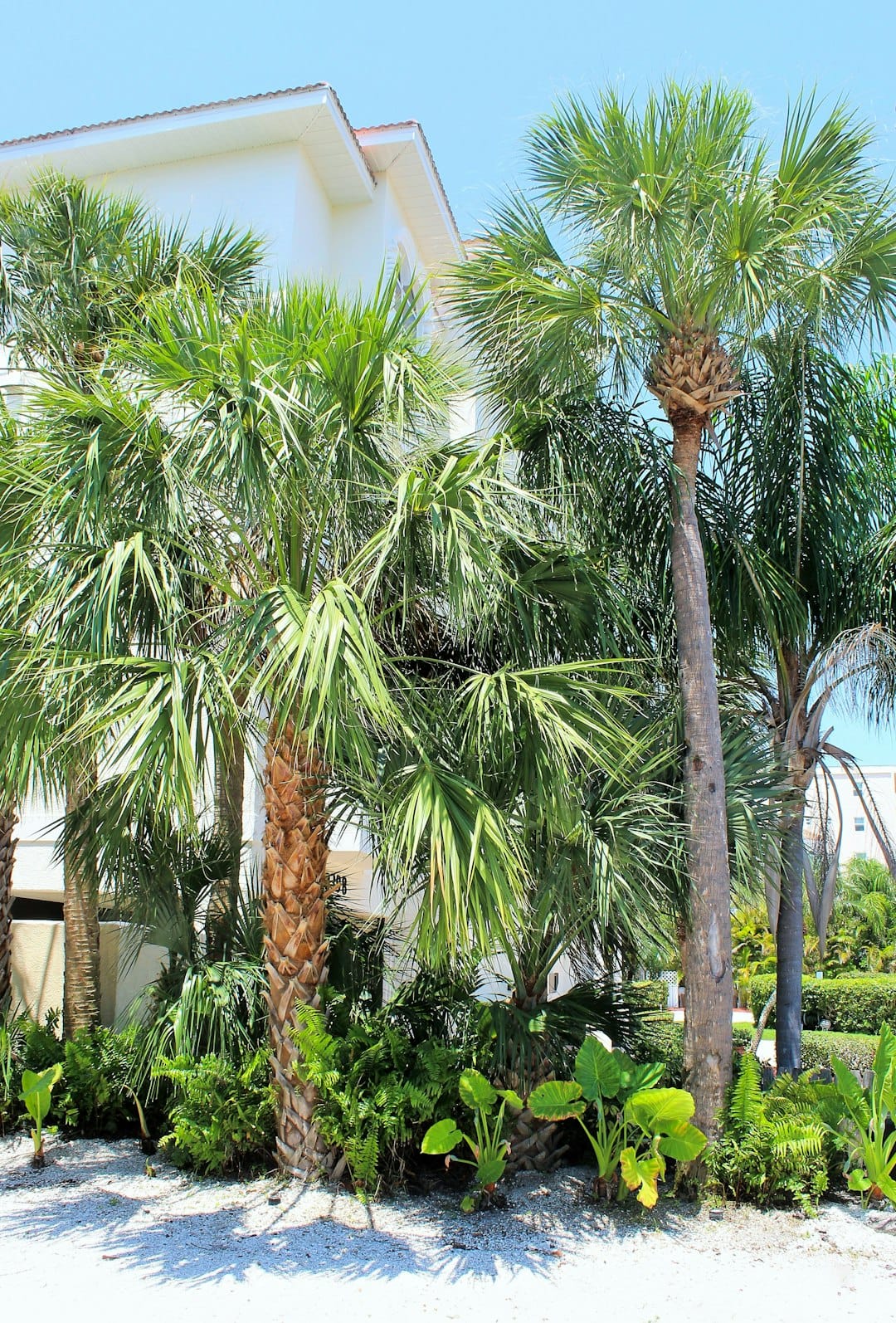
A corporate relocation turned a Tampa homeowner into an accidental landlord. Eight months of self-managing from out of state cost her roughly $12,000 in underpriced rent, emergency repairs, and an eviction. Here's how we stepped in, repositioned the property, and placed a qualified tenant in 19 days -- at $725 more per month than she'd been collecting.
What Was the Situation?
In Tampa, first-time landlords who self-manage from out of state lose an average of $3,500-$10,000 on their first bad tenant -- between eviction costs, property damage, and vacancy. This Carrollwood owner hit that number in eight months, mostly through quiet mistakes she didn't know she was making.
Sarah bought her 3-bedroom, 2-bath home in Carrollwood in 2019 for $310,000. Good schools, 20-minute commute to downtown Tampa, mature oak trees. Then her company offered a promotion in Charlotte. She accepted and decided to rent the house instead of selling.
Sarah found a tenant through a neighborhood Facebook group. No formal application. No credit check. No income verification beyond a brief phone call. She downloaded a generic lease template, collected a $1,750 security deposit into her personal checking account, and set the rent at $1,750/month.
That rent was at least $500 below market. Comparable 3-bedroom SFHs in Carrollwood were listing at $2,400-$2,800. But Sarah didn't run comps. She picked a number that felt reasonable and moved to Charlotte.
What Went Wrong?
Almost everything.
Months 1-3: The tenant paid late twice. Sarah's lease had a late fee clause, but she didn't enforce it -- she was 600 miles away and didn't want conflict. Between underpricing and uncollected late fees, she was leaving $550-$600/month on the table. Month 4 (July): The HVAC system failed. Tampa in July with no air conditioning is an emergency. The tenant found his own contractor -- a friend of a friend who charged $4,200 for a compressor replacement. A property manager with established vendor relationships would have negotiated that same job for $2,800-$3,200. Sarah had never scheduled a preventive tune-up. In Tampa's heat, skipping the twice-yearly HVAC maintenance that costs $150-$300/year is how a $6,500 system dies years ahead of schedule. Month 5: The tenant texted a photo of a water stain on the ceiling. Sarah called a roofer, but scheduling took three weeks because she was coordinating from another state with no local contacts. By the time the roofer arrived, the slow leak had caused $2,800 in water damage to the ceiling drywall and subfloor. A $400 roof patch became a $3,200 repair. Month 7: The tenant stopped paying rent. Sarah sent a text message asking him to pay. Then another. Then a voicemail. None of that counts as proper legal notice under Florida's eviction process. When she finally consulted a Tampa eviction attorney, she learned she needed to serve a formal 3-day notice, wait the cure period, then file with Hillsborough County Court. Attorney fees: $699. Filing: $275. The process took five weeks. Month 8: The tenant vacated, leaving the property with holes in two walls, stained carpet, and an overgrown yard. Sarah couldn't deduct from the security deposit -- because she'd commingled it in her personal checking account and never sent the written deposit notice required within 30 days under Florida Statute 83.49. That's not a technicality. It's strict liability. Miss the 30-day certified mail deadline by one day, and you forfeit your right to claim deductions -- regardless of intent or good faith. The total damage over eight months:
- Under-market rent: $4,000+ ($500/month x 8)
- HVAC emergency: $4,200
- Water damage repair: $3,200
- Eviction costs: $974
- Lost rent (months 7-8): $3,500
- Forfeited deposit deductions: ~$1,750
That's roughly $12,000 in eight months -- and she still had a property that needed renovation before it could be re-listed.
What Did We Do?
Sarah called us the week after the eviction was finalized. She was exhausted, frustrated, and seriously considering selling.
We talked her through the numbers. Even after the $12,000 hit, the property had appreciated to roughly $385,000. And Carrollwood's rental demand was strong -- 29 companies relocated or expanded to Tampa Bay in the past year, driving demand from exactly the demographic that wants a 3-bedroom in a family-friendly neighborhood.
Here's what we did:
Property assessment and renovation. We walked the property within 48 hours. Scope of work: interior paint ($750), LVP flooring in main living areas ($1,800), deep clean ($350), landscaping ($300). Total: $3,200. Every dollar designed to justify higher rent -- not to over-improve, but to hit the property's market potential. Insurance correction. Sarah was still carrying her old homeowner's policy -- which doesn't cover rental properties. We connected her with an agent who switched her to a DP-3 landlord policy with a flood rider. Premium went up $400/year, but she was now actually covered. Lease and compliance. We drafted a lease compliant with Florida Chapter 83 -- the state law that now exclusively governs landlord-tenant relationships after HB 1417 preempted local ordinances like Hillsborough County's former Tenant Bill of Rights. We set up a dedicated trust account for the security deposit and sent the required written notice to the new tenant within 30 days, via certified mail. No shortcuts on 83.49. Market repositioning. Professional photography, syndicated across Zillow, Trulia, Apartments.com, Realtor.com, and 100+ partner sites. We priced at $2,475/month -- a 41% increase over $1,750, but right in line with Carrollwood's market for an updated 3-bedroom with new flooring and fresh paint. Tenant screening. 3x monthly income ($7,425 gross), 620+ credit score, clean eviction history going back seven years, and direct employer verification. A full background check, credit report, and rental history verification -- the kind of screening Sarah never did. Placement. Signed lease with a qualified tenant -- a corporate relocatee from Atlanta -- in 19 days. Sarah's Facebook post had taken 45 days and landed a tenant who stopped paying within seven months.
What Were the Results?
| Metric | Before (Self-Managed) | After (Professionally Managed) |
|---|---|---|
| Monthly rent | $1,750 | $2,475 |
| Management fee | $0 | $247.50 (10%) |
| Net monthly income | $1,750 (minus emergencies) | $2,227.50 |
| Late payments (8 months) | 4 | 0 |
| Emergency repairs | $7,400 | $0 (scheduled maintenance only) |
| Days to lease | ~45 (Facebook post) | 19 (professional marketing) |
| Deposit handling | Non-compliant (FL 83.49 violation) | Compliant (trust account + certified mail) |
| Insurance | Wrong policy type (homeowner's) | DP-3 with flood rider |
Year one with professional management: $2,227.50/month x 12 = $26,730 net. The management fee costs $2,970/year. The eight months of self-management cost $12,000 -- roughly four years' worth of management fees burned through in eight months.
What's the Lesson Here?
Sarah's story isn't unusual. We see it every month -- a homeowner relocates, inherits a property, or rents out a condo instead of selling. They find a tenant fast and discover six months later that they've created a second job that's losing money.
The most expensive mistakes she made weren't dramatic. They were quiet:
- Underpricing by $500/month because she never pulled comparable rental listings
- Skipping tenant screening because a phone call felt personal enough
- Ignoring preventive maintenance because it seemed optional when things were working
- Commingling the security deposit because she didn't know FL 83.49 existed
- Keeping the wrong insurance because nobody told her homeowner's policies don't cover rentals
Each mistake is common. Together, they compounded into what we call "The Accidental Landlord Trap" -- where a well-intentioned owner loses more in a few months of DIY management than they'd spend on years of professional fees.
Professional property management isn't free. At 10% of rent, it costs $247.50/month on this property. But underpriced rent, unscreened tenants, deferred maintenance, and legal exposure under Florida's strict-liability deposit statute cost more. For Sarah, it cost four years' worth of management fees in eight months.
If you're managing a Tampa rental from out of state and the numbers aren't working, that's worth a conversation. Get a free rental analysis and we'll show you what your property should be earning.