
Carrollwood Rental Investment: Tampa's Established Family Market
Carrollwood offers established suburban rental investment—median homes ~$400–450K, 3BR rents $2,300–2,600/month, cap rates 4–5%. Near USF and Moffitt Cancer Center. Family-friendly, mature trees, golf courses.
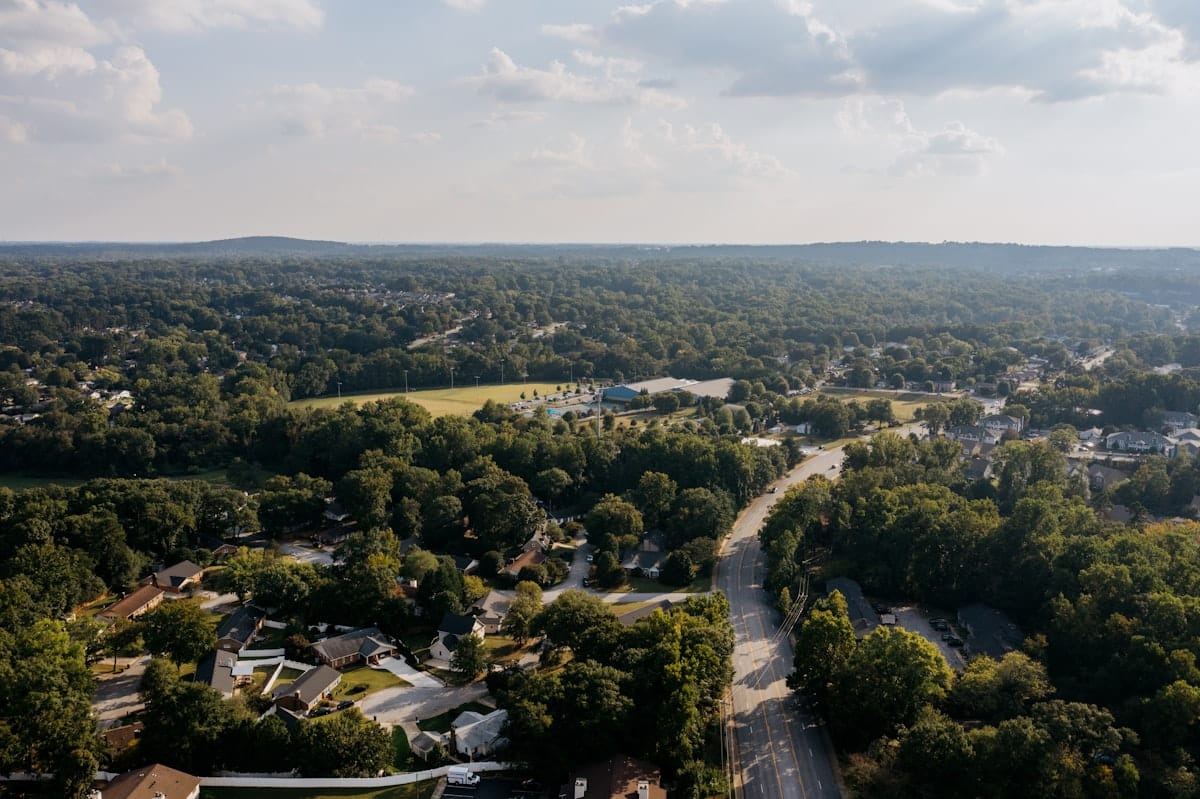
Carrollwood sits in Northwest Tampa—mature trees, golf courses, and established suburban housing define it. If you're weighing a rental investment here, you're looking at solid cap rates, family-focused demand, and proximity to USF and Moffitt Cancer Center. Here's what the numbers say.
What Makes Carrollwood Worth a Look for Rental Investors?
Quick answer: Carrollwood is an established Northwest Tampa neighborhood with median homes around $400–450K, 3BR rents of $2,300–2,600/month, and cap rates of 4–5%. You get family-focused demand, A-rated schools, and proximity to USF and Moffitt. Walk Score ~30. Hillsborough County taxes. It's a cash-flow play with stable tenant demand.
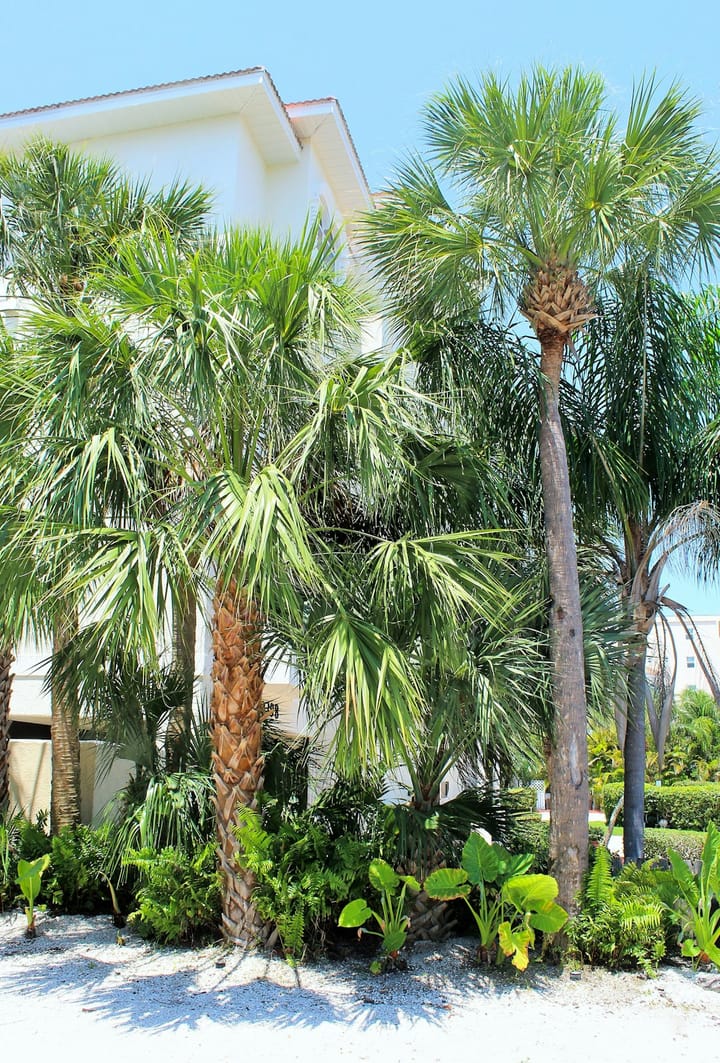
The neighborhood has been built out since the 1970s—1970s–2000s housing stock dominates. Mature oaks and golf courses (Carrollwood Country Club, others) give it a suburban feel. USF and Moffitt Cancer Center are 5–10 minutes east, driving renter demand from staff, researchers, and graduate students. Carrollwood Village and Carrollwood North are the main subdivisions; both have strong school ratings. The area is roughly 9 miles north-northwest of downtown Tampa—easy commute to downtown, Tampa General, or the airport. Dale Mabry Highway and Ehrlich Road are the main corridors; retail and dining have grown along both.
Where Are the Numbers?
Quick answer: Median home price ~$400–450K. Three-bedroom rent ~$2,300–2,600/month. Cap rate ~4–5%. Walk Score ~30. Hillsborough County property tax. Year built 1970s–2000s. A-rated schools in the zone.
| Stat | Value |
|---|---|
| Median home price | ~$400,000–450,000 |
| 3BR rent | ~$2,300–2,600/month |
| Cap rate | ~4–5% |
| Walk Score | ~30 |
| County | Hillsborough |
| Year built | 1970s–2000s |
| Schools | A-rated (district) |
How Much Rent Can You Realistically Get?
Quick answer: A three-bedroom single-family home in Carrollwood typically rents for $2,300–2,600/month. Two-bedrooms run roughly $1,800–2,100. Updated kitchens, central AC, and fenced yards command premiums. Golf course proximity can add $100–200/month.
Renters pay for schools, space, and the suburban feel. Families dominate the tenant pool. Expect 2–3% annual rent growth in line with Northwest Tampa. Golf course views can add $100–200/month to rent—tenants who want to look out at fairways will pay for it. Fenced yards and updated kitchens are the next-biggest drivers. Central AC is non-negotiable in Florida; homes without it rent for less and take longer to lease.
Who Rents Here?
Quick answer: Carrollwood renters skew families, USF/Moffitt staff, and professionals. Many work at USF, Moffitt Cancer Center, or nearby offices. They value school zones, yard space, and quiet streets. Pet-friendly units lease faster. Lease terms often run 12–24 months.
You'll see fewer young singles and more households with kids. Turnover is moderate—families tend to stay 2+ years when schools work for them. Quality tenants are the norm.
What's the Typical Cap Rate?
Quick answer: Carrollwood cap rates run about 4–5% for turnkey rentals. A $425K home generating $28,200/year gross rent ($2,350/month), minus ~$11,300 in expenses, yields roughly $16,900 NOI—a 4.0% cap. Value-add or older stock can push toward 5%. Below 4% usually means you're paying for the best blocks or golf course views.
Formula: (Net Operating Income ÷ Property Value) × 100
Example: $425K purchase, $2,350/month rent ($28,200/year). Expenses: ~$11,300 (taxes, insurance, maintenance, vacancy, management). NOI ≈ $16,900. Cap rate: 4.0%.
What's good or bad? Northwest Tampa typically sits at 4–5.5%. Carrollwood at 4–5% is in line. You get better yield than South Tampa (2.5–3.5%) with family-stable demand. The Northwest Tampa submarket hub has the full picture.
How Walkable Is Carrollwood?
Quick answer: Carrollwood has a Walk Score around 30—"car-dependent." You'll drive for most errands. Some pockets have sidewalks; others don't. Transit options are limited. Families choose Carrollwood for schools and space, not walkability.
The neighborhood is improving. New retail and dining have added options along Dale Mabry and Ehrlich. But this is suburban Tampa—expect to drive.
What Property Types Will You Find?
Quick answer: You'll see mostly single-family homes from the 1970s–2000s. Ranch-style and two-story floor plans dominate. Lot sizes vary—many have mature trees and room for kids. A few townhome and condo pockets exist.
Older homes (1970s–1980s) need careful inspection: HVAC, roof, plumbing. Newer stock (1990s–2000s) tends to be lower-maintenance. No major new construction—the neighborhood is built out. Ranch-style and two-story floor plans dominate. Lot sizes vary—many have mature trees and room for kids to play. A few townhome and condo pockets exist, but single-family is the norm. Expect 1,200–2,200 sq ft for most 3BR homes. Larger homes (2,500+ sq ft) rent for $2,600–2,900 in the best blocks.
What's Driving Prices and Demand?
Quick answer: Carrollwood demand comes from families, USF/Moffitt staff, and professionals. School zones and the suburban feel draw renters. USF and Moffitt employ thousands; many prefer Carrollwood for the commute and school quality. Supply is stable—no major new construction.
The Northwest Tampa submarket includes Westchase (premium, master-planned) and Town 'n' Country (more affordable). Carrollwood sits in the middle—established, family-friendly, solid yield.
What Are the Risks?
Quick answer: Older housing stock (1970s–1980s) can hide deferred maintenance. HVAC and roof replacement run $8,000–15,000. Flood risk is generally low—check FEMA flood maps. Insurance runs $2,500–4,000/year for a $425K home. Some HOAs exist; verify rental restrictions before buying.
Inventory is moderate. Good deals go in 1–2 weeks. You're competing with owner-occupants and other investors. Hurricane exposure affects insurance; wind mitigation credits help. Older HVAC systems (15+ years) often need replacement—$5,000–8,000 for a full system. Roofs on 1980s homes may be approaching end-of-life—$8,000–12,000 for a full replacement. Get a thorough inspection and budget for these in your first 3 years. The neighborhood has held value well; appreciation has tracked Tampa's suburban average over the past decade. Carrollwood doesn't have the master-planned polish of Westchase or the affordability of Town 'n' Country—it sits in the middle. That's its strength. You get established suburban character, solid schools, and 4–5% cap rates without paying Westchase's premium or accepting Town 'n' Country's broader tenant pool. For investors who want Northwest Tampa exposure with balanced risk and return, Carrollwood fits.
HOA, Insurance, and Taxes?
Quick answer: Many Carrollwood homes have no HOA. Some subdivisions do—expect $50–150/month where they exist. Hillsborough County property tax applies; expect roughly 1.0–1.2% of assessed value. Insurance runs $2,500–4,000/year for a $425K home, depending on age and wind mitigation.
No CDD in most areas. Carrying costs are straightforward.
How Does Carrollwood Compare to Nearby Neighborhoods?
Quick answer: Carrollwood sits between Westchase (premium, $500–550K median, 3.5–4.5% cap) and Town 'n' Country (affordable, $320–370K median, 5–6% cap). Westchase offers master-planned amenities and A-rated schools at a higher price. Town 'n' Country offers better yield and airport proximity. Carrollwood is the middle ground—established, family-friendly, 4–5% cap rates.
For investors who want Northwest Tampa exposure without Westchase's premium or Town 'n' Country's affordability trade-offs, Carrollwood fits. The USF and Moffitt connection is a differentiator—those employers aren't going anywhere, and they drive steady renter demand. Carrollwood has been a solid performer for decades; it's not flashy, but it's reliable. The neighborhood's mature tree canopy and golf courses give it a settled feel that newer master-planned communities can't match. Renters who want that—established suburban, not brand-new—choose Carrollwood. The 4–5% cap rate reflects that demand. Carrollwood Village and Carrollwood North both have strong school ratings—families pay a premium for those zones. The neighborhood is roughly 9 miles from downtown Tampa; the commute works for downtown workers, hospital staff, and airport employees. Dale Mabry and Ehrlich Road are the main corridors; retail and dining have grown along both.
Ready to Run the Numbers?
Quick answer: Carrollwood works for investors who want established suburban Tampa, family-focused demand, and 4–5% cap rates. It's not the highest yield in the market, but it offers stability and solid cash flow. Run a free rental analysis on your target property to see what the numbers look like for you.
We manage rentals across Tampa and can help you model rent, expenses, and cash flow for a specific Carrollwood property. Get a free rental analysis and we'll break down what you can expect.