
Plant City Rental Investment: Hillsborough County's Last Affordable Market
Plant City is the last affordable entry in Hillsborough County, with warehouse employment driving steady rental demand and fewer CDD/HOA costs than Brandon.
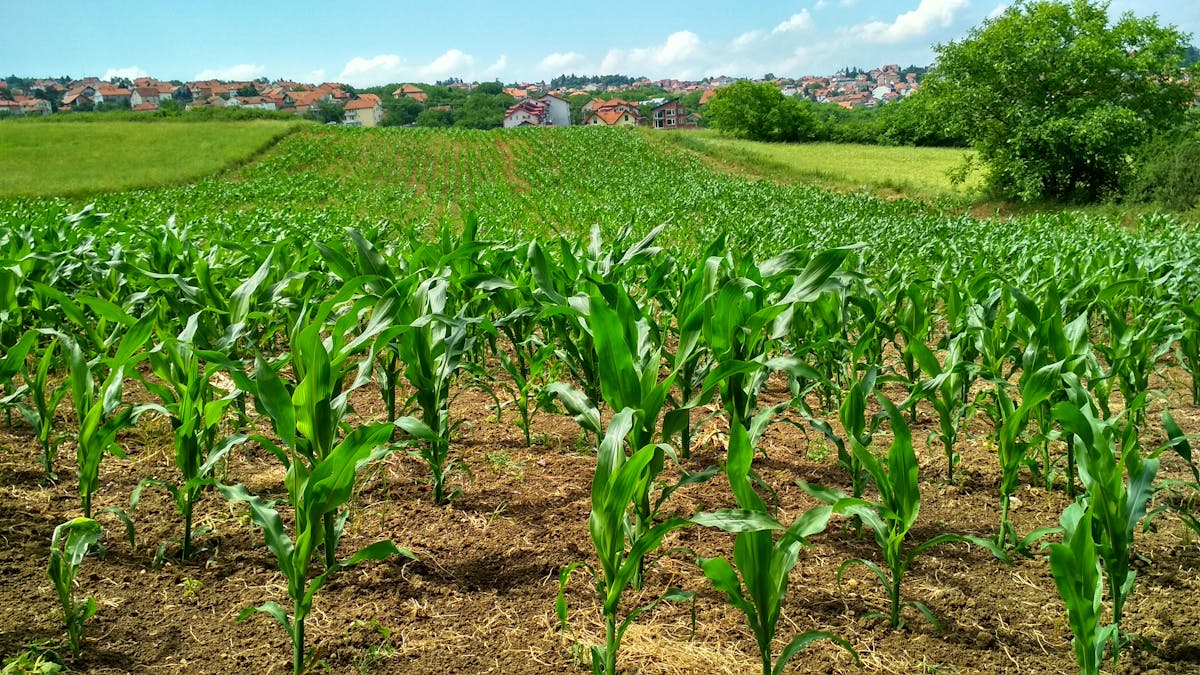
If you're hunting for cash flow in Hillsborough County without the CDD sticker shock of Brandon or Riverview, Plant City deserves a close look. It's the last affordable city in the county — rents run about 20% below the national average — and the economy is shifting from strawberries to warehouses. Amazon, Sysco, and C&S Wholesale Grocers have built major facilities here, and that's driving steady demand from workers who need a place to live. The Florida Strawberry Festival still draws 650,000 visitors every March, but the real story for landlords is the year-round employment base. We manage rentals across East Hillsborough and see Plant City as the entry point for investors who want lower buy-in and fewer mandatory fees.
What Does the Plant City Rental Market Look Like?
Plant City offers the lowest median home price and rents in Hillsborough County. A 3BR single-family rents for about $2,185/month, median sold price sits around $375K, and the effective property tax rate (0.97%) runs below the Florida average. Rent has been climbing 4–5% year over year, and home prices are up about 10% — appreciation is real, but the entry point stays lower than Brandon or Riverview. School ratings vary — district average is 3/10 on GreatSchools, but Walden Lake Elementary hits 8/10 — and the commute to Tampa is 25–30 minutes via I-4. For investors, the big draw is the absence of CDD assessments that add $200–$400/month in many Brandon and Riverview subdivisions. Plant City is a "cooler" market with more inventory and negotiating room — average time to sell runs around 45 days, so you're not fighting bidding wars the way you might in Tampa's hotter corridors.
| Stat | Value |
|---|---|
| Median rent (1BR) | $1,350 |
| Median rent (2BR) | $1,640 |
| Median rent (3BR SFH) | $2,185 |
| Median rent (4BR SFH) | $2,583 |
| Vacancy rate | ~7% (national proxy) |
| Median home price | $375,000 |
| School rating (district avg) | 3/10 |
| Commute to Tampa | 25–30 min (I-4) |
| Property tax (effective) | 0.97% |
| Population | ~41,000 |
Property values and tax bills are searchable through the Hillsborough County Property Appraiser. Plan Hillsborough projects the population will nearly double by 2050, so the runway for growth is long. Vacancy tracks national rates (around 7%) — Plant City-specific data isn't published, but we haven't seen prolonged vacancies on well-priced properties in our portfolio.
Who Rents in Plant City?
Rental demand comes from five main groups. Agricultural workers tied to strawberry and farm labor — seasonal but consistent. Warehouse and logistics employees at Amazon ($15–$18/hr), Sysco (500K sq ft facility, ~300 jobs, avg salary $82,500), C&S Wholesale Grocers, and City Furniture distribution ($17.75–$20.50/hr). Manufacturing workers — 3,000+ jobs in the sector. Families seeking affordability who can't swing Brandon or Riverview prices. And Tampa commuters who trade a 25–30 minute drive on I-4 for rent that's hundreds less per month. The City of Plant City economic development data shows wholesale trade, construction, manufacturing, and retail as the top employers. Median household income is about $64,500, and roughly 35% of households rent. That mix supports steady demand for workforce housing — people who need a reliable place to live near their job, not luxury amenities. Walk Score is 34, so everyone drives. Tenants here prioritize price and commute over walkability. Plant City has adopted the Live Local Act (SB 102), which allows 40% affordable units to preempt density and height limits — a signal that the city is serious about workforce housing. For landlords, that means policy tailwinds for the same tenant pool you're already targeting.
How Does the Investment Math Work in Plant City?
Cap rate is (Net Operating Income ÷ Property Value) × 100. NOI is gross rent minus vacancy, property management, taxes, insurance, and maintenance. Here's a worked example: a 3BR single-family at $320,000 generates $2,100/month ($25,200/year). After 8% vacancy ($2,016), 8% property management ($2,016), 0.97% property tax ($3,104), ~$1,200 insurance, and 10% maintenance ($2,520), expenses run about $9,800. NOI is $15,400. Cap rate: 4.8%.
What's good or bad? In Plant City, 4.5–6% is typical for single-family; 3–4% means you're overpaying. Mashvisor reports individual properties ranging from 3.14% to 7.89%, with an average around 5%. The real advantage shows up when you compare to Brandon or Riverview. A comparable Brandon 3BR might run $350,000 with $2,300/month rent — higher price, higher rent. But add $300/month in CDD ($3,600/year), and that expense alone wipes out roughly a full point of cap rate. Plant City has fewer master-planned communities, so CDD assessments are less common. Holloway Landing (DR Horton) explicitly markets no CDD — a real differentiator. For cash-flow-focused investors, that $200–$400/month you're not paying in CDD goes straight to your bottom line. Multi-unit properties in Plant City have traded at cap rates around 8% in mid-2024 — if you're willing to manage a small multifamily, the numbers can get more attractive than single-family.
What Should Investors Watch Out For in Plant City?
Older housing stock in historic areas needs more maintenance and may have outdated systems — expect higher capex reserves on pre-1990 homes. School quality varies. Walden Lake and Lincoln Elementary Magnet rate 8/10 on GreatSchools, but the district average is 3/10 (math 49%, reading 41% vs Florida 52%). Families will shop by school zone, so properties in the Walden Lake attendance area command a premium. Properties near agricultural zoning can face odor, dust, or future rezoning pressure as the city grows — Plan Hillsborough projects 82% population growth by 2050, and agricultural land is being rezoned to higher density. Insurance costs run $1,200–$1,800/year for typical coverage but can spike for older homes or flood-prone parcels. Check the Plant City flood zone map before buying; SWFWMD completed a watershed study in 2022 that may inform future FEMA updates. I-4 traffic adds time to the Tampa commute during peak hours — SR 39 improvements at Trapnell Road are planned for Fall 2025, but the corridor stays busy. Exit 21 at Alexander Street is the main interchange. And Plant City has fewer retail and dining options than Brandon, so tenants who want suburban amenities may prefer Riverview or Brandon despite the higher cost. If you're considering short-term rentals, the city requires registration and a rental permit; DBPR licensing applies if you rent the entire unit more than three times per year for stays under 30 days. Traditional long-term rentals don't need a permit. Code enforcement runs about 1,800 complaints and 6,500 inspections per year — keep properties in good shape to avoid violations.
Ready to Run Your Numbers?
If you're considering a Plant City rental — whether you're under contract, inherited a property, or just scouting — we can pull comps, estimate rent, and factor in taxes, insurance, and management costs. Our free rental analysis gives you a data-backed rent range and cash flow projection. No obligation. We manage properties across Tampa and East Hillsborough, and we know which Plant City pockets deliver the best cap rates for investors who prioritize cash flow over appreciation. The Stalwart Business Park (3.4M sq ft, mid-2027 completion) and Varrea (2,640 units, 345K sq ft commercial) will add more jobs and housing — if you're buying now, you're positioning ahead of that growth. The Plant City Housing Authority publishes payment standards for Section 8 tenants; if you're open to vouchers, 32563 and 33565 ZIPs have 110% SAFMR rates that support 2BR rents in the $1,700–$1,800 range.