

Orlando vs Tampa: Where Should You Invest in Rental Property?
Orlando and Tampa are neck and neck on rent. But cap rates, insurance, vacancy, and job growth tell different stories. Here is the Q4 2025 scorecard.
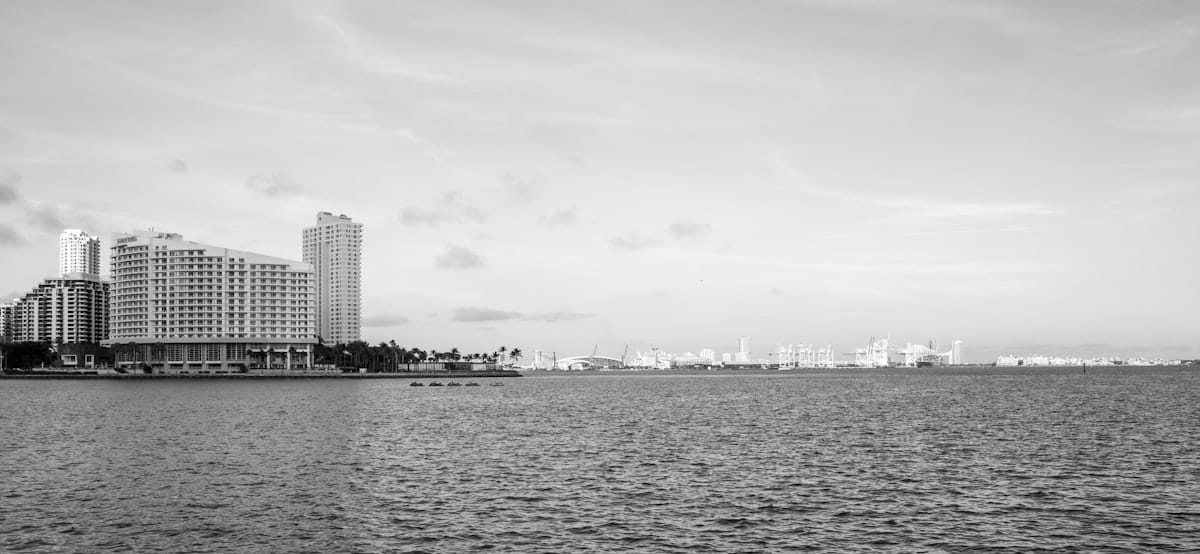
Orlando and Tampa both sit in the sweet spot for Florida rental investors—strong job growth, steady population inflow, and rents that still pencil. But the numbers tell different stories. As of Q4 2025, Orlando's median asking rent runs $1,645; Tampa's sits at $1,660. That $15 gap might not move the needle on a single property. The real question: which market fits your strategy?
Here's the headline comparison that shapes everything else.
| Metric | Orlando | Tampa |
|---|---|---|
| Median asking rent | $1,645 | $1,660 |
| YoY rent change | -1.7% | -3.1% |
| Vacancy (overall) | 6.2% | 6.5% |
| Vacancy (multifamily) | 8.4% | 10.3% |
| Median home price | $378,875 | $374,105 |
| Cap rate (typical) | ~6.7% | ~7.1% |
| Days on market | 75–84 | 75–84 |
| Insurance (annual) | $2,000–$4,200 | $2,400–$4,800 |
Sources: Realtor.com rental research, Zillow Orlando home values, Zillow Tampa home values
Both markets cooled from the 2022–2023 peak. Tampa's rent drop is steeper (-3.1% vs -1.7%), which reflects more multifamily supply coming online and a slightly higher vacancy rate. Orlando's single-family rental base and tourism-driven demand have held rents a bit firmer. Neither market is in distress—6.2% and 6.5% vacancy are healthy by historical standards. But Tampa's multifamily vacancy at 10.3% means you'll face more competition if you're buying a small apartment building. If you're buying a single-family home or small duplex, the vacancy gap is less dramatic—both metros have plenty of renters. The question is which market fits your goals.
How Do Rents and Prices Compare?
Rents are nearly identical. Tampa edges Orlando by $15/month on median asking rent, but that's noise. What matters more: Tampa's rents fell faster over the past year. If you're underwriting a new purchase, you're probably using today's rents, not last year's. Both markets are in the same ballpark—Orlando rent pricing runs $1,500–$2,200 for a typical three-bedroom depending on submarket.
For Section 8 or voucher tenants, RentData.org's Tampa-St. Petersburg FMR data shows a 2-bedroom fair market rent of $1,978 in 2025—up about 7% from 2024. That's useful if you're considering the voucher program in either market; Orlando's MSA has comparable FMR levels. Both metros sit near the top of Florida's rent distribution. If you're comparing Orlando and Tampa for a first purchase, the rent story is simple: they're tied. Your submarket choice will matter more than the metro choice for rent levels.
Home prices tell a similar story. Orlando's median sits at $378,875; Tampa's at $374,105. Tampa is a touch cheaper on paper, but the spread is small. Cap rates reflect that: Tampa runs ~7.1% vs Orlando's ~6.7%. A half-point difference on cap rate adds up over time. On a $375,000 property, that's roughly $1,500 more in annual NOI if you're in Tampa—assuming similar operating costs.
Here's a quick example. You're looking at two $375,000 three-bedroom homes—one in Orlando, one in Tampa. Both rent for $1,650/month. Orlando's 6.7% cap implies about $25,125 in NOI; Tampa's 7.1% implies about $26,625. That $1,500/year gap is real money. Over 10 years, it's $15,000 before you factor in appreciation. But if Orlando appreciates 3% annually and Tampa appreciates 2%, the Orlando property is worth $504,000 vs Tampa's $457,000 at year 10. The math shifts depending on your timeline.
The lesson: don't fixate on a single metric. Cap rate tells you about today's yield. Population and job growth tell you about tomorrow's upside. Insurance and taxes tell you about the drag on both. Run the full picture.
Rents are nearly identical. Tampa edges Orlando by $15/month on median asking rent, but that's noise. What matters more: Tampa's rents fell faster over the past year. If you're underwriting a new purchase, you're probably using today's rents, not last year's. Both markets are in the same ballpark— Orlando rent pricing runs $1,500–$2,200 for a typical three-bedroom depending on submarket.
For Section 8 or voucher tenants, RentData.org's Tampa-St. Petersburg FMR data shows a 2-bedroom fair market rent of $1,978 in 2025—up about 7% from 2024. That's useful if you're considering the voucher program in either market; Orlando's MSA has comparable FMR levels. Both metros sit near the top of Florida's rent distribution. If you're comparing Orlando and Tampa for a first purchase, the rent story is simple: they're tied. Your submarket choice will matter more than the metro choice for rent levels.
Home prices tell a similar story. Orlando's median sits at $378,875; Tampa's at $374,105. Tampa is a touch cheaper on paper, but the spread is small. Cap rates reflect that: Tampa runs ~7.1% vs Orlando's ~6.7%. A half-point difference on cap rate adds up over time. On a $375,000 property, that's roughly $1,500 more in annual NOI if you're in Tampa—assuming similar operating costs.
Here's a quick example. You're looking at two $375,000 three-bedroom homes—one in Orlando, one in Tampa. Both rent for $1,650/month. Orlando's 6.7% cap implies about $25,125 in NOI; Tampa's 7.1% implies about $26,625. That $1,500/year gap is real money. Over 10 years, it's $15,000 before you factor in appreciation. But if Orlando appreciates 3% annually and Tampa appreciates 2%, the Orlando property is worth $504,000 vs Tampa's $457,000 at year 10. The math shifts depending on your timeline.
The lesson: don't fixate on a single metric. Cap rate tells you about today's yield. Population and job growth tell you about tomorrow's upside. Insurance and taxes tell you about the drag on both. Run the full picture.
What Drives Each Market's Economy?
Orlando leans on tourism, tech, healthcare, and defense. Epic Universe opened in 2025, adding thousands of jobs and extending the theme-park employment base. UCF enrolls about 70,674 students—a built-in renter pool for properties near campus. The metro has the fastest population growth among large U.S. metros (2.7%) and the top job growth among the 50 largest (24.8% over five years), according to Census Bureau metro data. That momentum supports rent growth over the long run, even when short-term numbers soften.
The downside: Orlando's economy is more cyclical. When tourism dips or a recession hits, hospitality jobs go first. Landlords with properties near the parks have seen that play out before. The flip side is that recoveries tend to be sharp—demand snaps back fast when travel rebounds.
Tampa runs on finance, healthcare, military, and the port. MacDill AFB employs roughly 12,000+ personnel with strong BAH rates—military tenants are a reliable segment for landlords near the base. USF enrolls about 57,901 students. Tampa's job growth over 10 years sits at 21.5%—solid, but a step behind Orlando's five-year pace. The Tampa-St. Petersburg metro is more diversified and less tied to a single sector. That can mean steadier cash flow in a downturn, but less explosive upside when the economy heats up.
Finance and healthcare jobs don't vanish when the economy softens. Military housing demand is tied to federal budgets, not consumer spending. That stability shows up in Tampa's rent trajectory—smaller swings, both up and down.
Orlando leans on tourism, tech, healthcare, and defense. Epic Universe opened in 2025, adding thousands of jobs and extending the theme-park employment base. UCF enrolls about 70,674 students—a built-in renter pool for properties near campus. The metro has the fastest population growth among large U.S. metros (2.7%) and the top job growth among the 50 largest (24.8% over five years), according to Census Bureau metro data. That momentum supports rent growth over the long run, even when short-term numbers soften.
The downside: Orlando's economy is more cyclical. When tourism dips or a recession hits, hospitality jobs go first. Landlords with properties near the parks have seen that play out before. The flip side is that recoveries tend to be sharp—demand snaps back fast when travel rebounds.
Tampa runs on finance, healthcare, military, and the port. MacDill AFB employs roughly 12,000+ personnel with strong BAH rates—military tenants are a reliable segment for landlords near the base. USF enrolls about 57,901 students. Tampa's job growth over 10 years sits at 21.5%—solid, but a step behind Orlando's five-year pace. The Tampa-St. Petersburg metro is more diversified and less tied to a single sector. That can mean steadier cash flow in a downturn, but less explosive upside when the economy heats up.
Finance and healthcare jobs don't vanish when the economy softens. Military housing demand is tied to federal budgets, not consumer spending. That stability shows up in Tampa's rent trajectory—smaller swings, both up and down.
Where Does Insurance Fit In?
Florida's insurance crisis hits both markets. Orlando typically runs $2,000–$4,200/year for landlord coverage; Tampa runs $2,400–$4,800. Tampa's coastal exposure and hurricane risk push premiums higher. Your insurance comparison will vary by property age, roof condition, and distance from the coast—but plan for Tampa to cost $200–$600 more per year on average. That eats into the cap rate advantage.
A $400/year insurance gap might not sound like much. On a $375,000 property generating $25,000 in gross rent, it's about 1.6% of revenue. But when you're comparing two otherwise similar deals, that difference can tip the scale. Run real quotes before you commit.
One more wrinkle: both markets have seen insurers non-renew policies or raise deductibles. A 2% wind deductible on a $400,000 property means you're paying the first $8,000 of storm damage out of pocket. That's the same in Orlando and Tampa—but Tampa's higher base premiums mean you're paying more for the same exposure. Factor it into your reserves.
Florida's insurance crisis hits both markets. Orlando typically runs $2,000–$4,200/year for landlord coverage; Tampa runs $2,400–$4,800. Tampa's coastal exposure and hurricane risk push premiums higher. Your insurance comparison will vary by property age, roof condition, and distance from the coast—but plan for Tampa to cost $200–$600 more per year on average. That eats into the cap rate advantage.
A $400/year insurance gap might not sound like much. On a $375,000 property generating $25,000 in gross rent, it's about 1.6% of revenue. But when you're comparing two otherwise similar deals, that difference can tip the scale. Run real quotes before you commit.
One more wrinkle: both markets have seen insurers non-renew policies or raise deductibles. A 2% wind deductible on a $400,000 property means you're paying the first $8,000 of storm damage out of pocket. That's the same in Orlando and Tampa—but Tampa's higher base premiums mean you're paying more for the same exposure. Factor it into your reserves.
Cash Flow vs Appreciation: Which Market Wins?
Cash flow: Tampa has the edge. Higher cap rates (~7.1% vs ~6.7%), slightly lower purchase prices, and a more diversified economy that tends to hold up in softer periods. If you're buying for monthly income and plan to hold 5–10 years, Tampa's numbers often pencil better today. The investor who wants to quit their job and live off rental income in the next few years will usually find Tampa more accommodating.
Appreciation: Orlando has the edge. Faster population growth, stronger job growth, and Epic Universe as a multi-year catalyst. Submarkets like Lake Nona and Dr. Phillips are still drawing employers and renters. Tampa has strong pockets too— Westchase and Seminole Heights attract different buyer profiles. But Orlando's growth trajectory suggests more upside on the appreciation side over the next decade. The investor who's building a portfolio for a 15-year exit will often lean Orlando.
The tradeoff is real. You don't get both in equal measure. Pick your priority.
Quick summary: Choose Tampa if you want higher cash flow today and a more stable economy. Choose Orlando if you're betting on long-term appreciation and can tolerate a bit more cyclicality. There's no wrong answer—only a wrong fit for your goals.
Cash flow: Tampa has the edge. Higher cap rates (~7.1% vs ~6.7%), slightly lower purchase prices, and a more diversified economy that tends to hold up in softer periods. If you're buying for monthly income and plan to hold 5–10 years, Tampa's numbers often pencil better today. The investor who wants to quit their job and live off rental income in the next few years will usually find Tampa more accommodating.
Appreciation: Orlando has the edge. Faster population growth, stronger job growth, and Epic Universe as a multi-year catalyst. Submarkets like Lake Nona and Dr. Phillips are still drawing employers and renters. Tampa has strong pockets too— Westchase and Seminole Heights attract different buyer profiles. But Orlando's growth trajectory suggests more upside on the appreciation side over the next decade. The investor who's building a portfolio for a 15-year exit will often lean Orlando.
The tradeoff is real. You don't get both in equal measure. Pick your priority.
Quick summary: Choose Tampa if you want higher cash flow today and a more stable economy. Choose Orlando if you're betting on long-term appreciation and can tolerate a bit more cyclicality. There's no wrong answer—only a wrong fit for your goals.
How Long Do Properties Sit on the Market?
Days on market run 75–84 in both metros. That's a balanced market—not the 30-day frenzy of 2021, but not the 120-day slog of a buyer's market either. Sellers aren't desperate; buyers have time to inspect and negotiate. If you're selling a rental, expect a 2–3 month timeline from list to close. If you're buying, you'll have a few weeks to run numbers and get inspections without losing the deal to a cash offer.
The takeaway: you're not racing against a clock. Use the time to compare Orlando and Tampa deals side by side, pull insurance quotes, and talk to a local property manager in each market before you decide. We manage in both metros—if you're torn, we can walk you through what we're seeing on the ground in each.
Days on market run 75–84 in both metros. That's a balanced market—not the 30-day frenzy of 2021, but not the 120-day slog of a buyer's market either. Sellers aren't desperate; buyers have time to inspect and negotiate. If you're selling a rental, expect a 2–3 month timeline from list to close. If you're buying, you'll have a few weeks to run numbers and get inspections without losing the deal to a cash offer.
The takeaway: you're not racing against a clock. Use the time to compare Orlando and Tampa deals side by side, pull insurance quotes, and talk to a local property manager in each market before you decide. We manage in both metros—if you're torn, we can walk you through what we're seeing on the ground in each.
What to Do Now
The data gives you a framework. Your next steps turn it into a decision.
1. Run the numbers on your target submarket. Median metro numbers hide big differences. Lake Nona and Winter Park behave differently. So do Westchase and Seminole Heights. Pull rent comps, insurance quotes, and tax estimates for the specific ZIP you're considering. A three-bedroom in Lake Nona might rent for $2,100; the same floor plan in a different Orlando submarket might top out at $1,600. Submarket selection matters more than Orlando vs Tampa in many cases.
2. Factor in insurance before you offer. Get real quotes, not ballpark estimates. A $4,800/year premium in Tampa vs $3,200 in Orlando changes your NOI by $133/month. That can flip a deal from positive to negative cash flow. Florida's insurance market is volatile—what you see today might change at renewal. Build in a buffer.
3. Know your security deposit rules. Florida Statute 83.49 applies in both markets. Same 15-day return, 30-day claim deadlines, and interest requirements. Get the process right from day one. Miss the 30-day claim window and you forfeit your right to keep any of the deposit—even if the tenant left real damage.
4. Decide your hold period. Buying for 3–5 years? Tampa's cap rate advantage matters more. Buying for 10+ years and betting on growth? Orlando's job and population trajectory may outweigh the lower yield today. Your timeline should drive the market choice, not the other way around.
5. Visit both markets if you can. Orlando and Tampa feel different. Orlando has more tourism infrastructure, theme-park spillover, and a younger demographic near UCF. Tampa has a stronger military presence, a more established downtown, and a different commute pattern. Your comfort level with a market matters—especially if you're self-managing or plan to add more doors over time. Some investors prefer Orlando's energy; others prefer Tampa's steadiness. Neither is wrong.
The data gives you a framework. Your next steps turn it into a decision.
1. Run the numbers on your target submarket. Median metro numbers hide big differences. Lake Nona and Winter Park behave differently. So do Westchase and Seminole Heights. Pull rent comps, insurance quotes, and tax estimates for the specific ZIP you're considering. A three-bedroom in Lake Nona might rent for $2,100; the same floor plan in a different Orlando submarket might top out at $1,600. Submarket selection matters more than Orlando vs Tampa in many cases.
2. Factor in insurance before you offer. Get real quotes, not ballpark estimates. A $4,800/year premium in Tampa vs $3,200 in Orlando changes your NOI by $133/month. That can flip a deal from positive to negative cash flow. Florida's insurance market is volatile—what you see today might change at renewal. Build in a buffer.
3. Know your security deposit rules. Florida Statute 83.49 applies in both markets. Same 15-day return, 30-day claim deadlines, and interest requirements. Get the process right from day one. Miss the 30-day claim window and you forfeit your right to keep any of the deposit—even if the tenant left real damage.
4. Decide your hold period. Buying for 3–5 years? Tampa's cap rate advantage matters more. Buying for 10+ years and betting on growth? Orlando's job and population trajectory may outweigh the lower yield today. Your timeline should drive the market choice, not the other way around.
5. Visit both markets if you can. Orlando and Tampa feel different. Orlando has more tourism infrastructure, theme-park spillover, and a younger demographic near UCF. Tampa has a stronger military presence, a more established downtown, and a different commute pattern. Your comfort level with a market matters—especially if you're self-managing or plan to add more doors over time. Some investors prefer Orlando's energy; others prefer Tampa's steadiness. Neither is wrong.
Get a Free Rental Analysis
Whether you're leaning Orlando or Tampa—or weighing a specific property in either market—we'll run the numbers for you. Our free rental analysis includes rent comps, vacancy assumptions, and operating cost estimates tailored to your property. No obligation. Just data so you can decide with confidence.
For deeper dives on each market, see our Orlando property management guide and Tampa property management guide.
Whether you're leaning Orlando or Tampa—or weighing a specific property in either market—we'll run the numbers for you. Our free rental analysis includes rent comps, vacancy assumptions, and operating cost estimates tailored to your property. No obligation. Just data so you can decide with confidence.
For deeper dives on each market, see our Orlando property management guide and Tampa property management guide.